
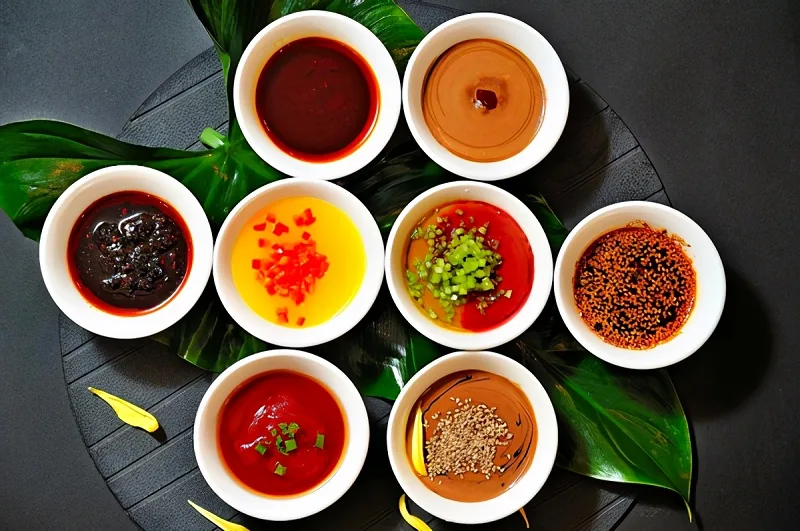
Chinese cooking isn’t just about rice, noodles and a wok. Sauces play a huge role, giving dishes their characteristic flavor, aroma and color – and they’re the reason food from a good Chinese restaurant tastes so different from what you make at home.
Contents:
For beginners, though, finding your way around Chinese sauces can be a little confusing. What’s the difference between light and dark soy sauce? Is hoisin sweet or spicy? And why is XO sauce so expensive?
Here’s a simple overview of the best-known Chinese sauces, what they taste like and how to use them in your home cooking.
Light Soy Sauce
Light soy sauce is the absolute foundation of Chinese cooking – if you only keep one Chinese sauce at home, this should be it. It’s salty, strongly umami, light and aromatic.
How to Use It
It goes into almost every kind of dish: stir-fries, fried rice, noodles, marinades and dips. When a Chinese recipe simply says “soy sauce,” it usually means the light kind.
To see it in action, try the recipe for beef chow fun (stir-fried rice noodles with beef).
Dark Soy Sauce
Dark soy sauce is milder, slightly sweet, caramel-like and fuller-bodied than light soy sauce. Don’t mix them up – each does something different.
How to Use It
Dark soy sauce is added mainly for color and depth – in braises, fried noodles and red-braised dishes (hong shao). Light soy brings saltiness and flavor; dark soy brings color and depth. In practice, the two are often used together.
Oyster Sauce
Intensely umami, slightly sweet, rich and full of flavor. Although it’s made from oyster extract, it doesn’t taste strongly of fish or seafood – what it mainly adds is that typical “restaurant” flavor that’s so hard to recreate at home.
How to Use It
Excellent in beef stir-fries, vegetables, fried noodles and marinades. It’s one of the sauces that’s always worth having in your pantry.
Hoisin Sauce
Sweet, spiced, fermented and slightly smoky. It tastes a bit like a cross between barbecue sauce and plum sauce – thicker and bolder, with an umami undertone from soybeans.
How to Use It
The classic choice for Peking duck, barbecue marinades, dips and glazing meat. Unlike plum sauce, it isn’t fruity – it’s salty, fermented and more intense.
Plum Sauce
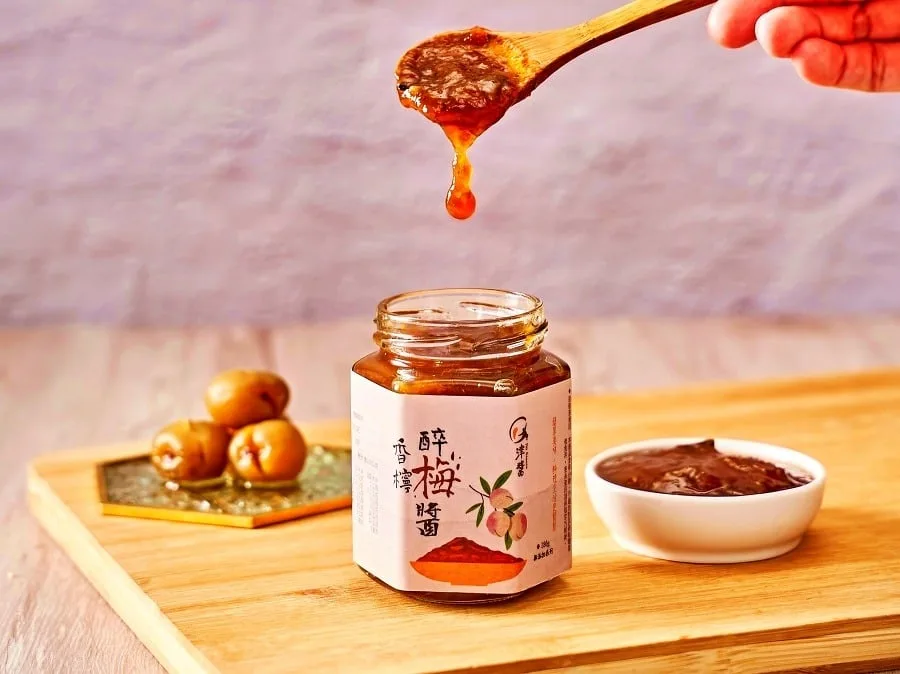
Sweet, fruity, gently tart and lightly spiced. Compared with hoisin, it’s lighter, fresher and less fermented.
How to Use It
Great as a dip for spring rolls, fried appetizers or roast duck. It also works as a glaze for meat when you want a fruitier result.
XO Sauce
Extremely umami, spicy, intense – and yes, expensive. XO sauce is one of the luxury ingredients of Chinese cooking: it’s made from dried scallops, dried shrimp, chili, garlic and oil. A small amount is enough to take a dish to a completely different level.
How to Use It
Fried rice, noodles, seafood or stir-fries. Use it sparingly – it’s more of a bold finishing condiment than a sauce base.
Chili Crisp / Chili Oil
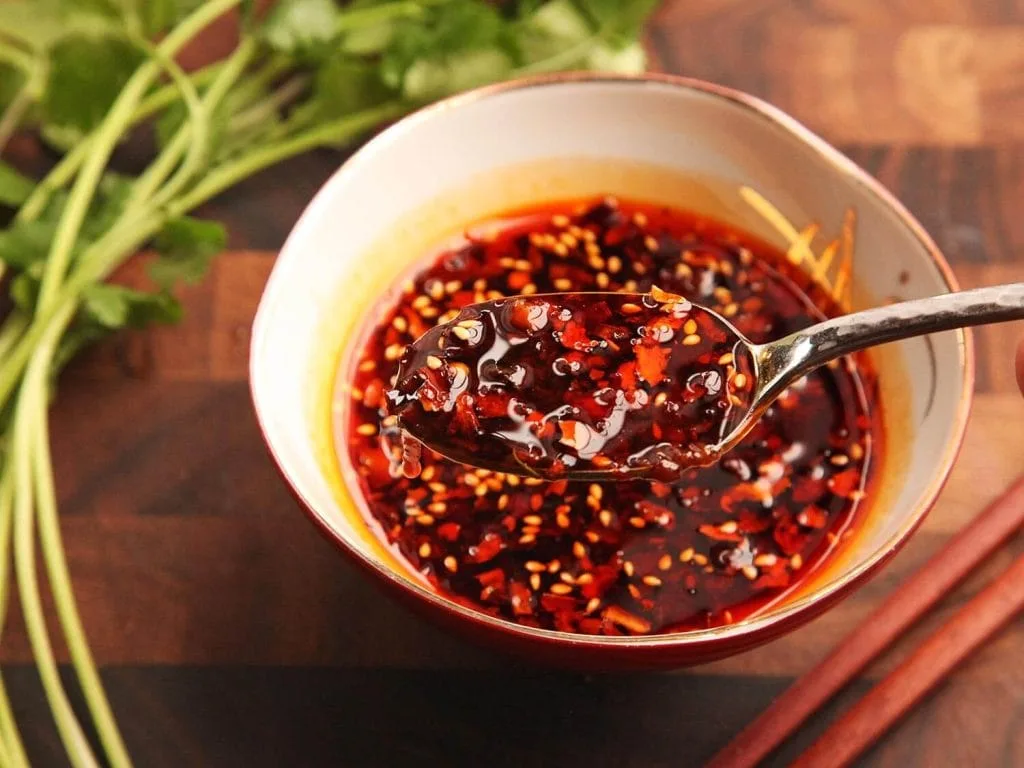
Spicy, aromatic, crunchy and full of umami. Chili crisp isn’t just spicy oil – it contains bits of fried shallots, garlic and spices that add texture as well as flavor. The best-known brand is Lao Gan Ma, loved around the world.
How to Use It
Ideal with noodles, dumplings, soups and rice. Spoon it over a finished dish as a condiment or cook with it directly.
Doubanjiang – Sichuan Chili Bean Paste
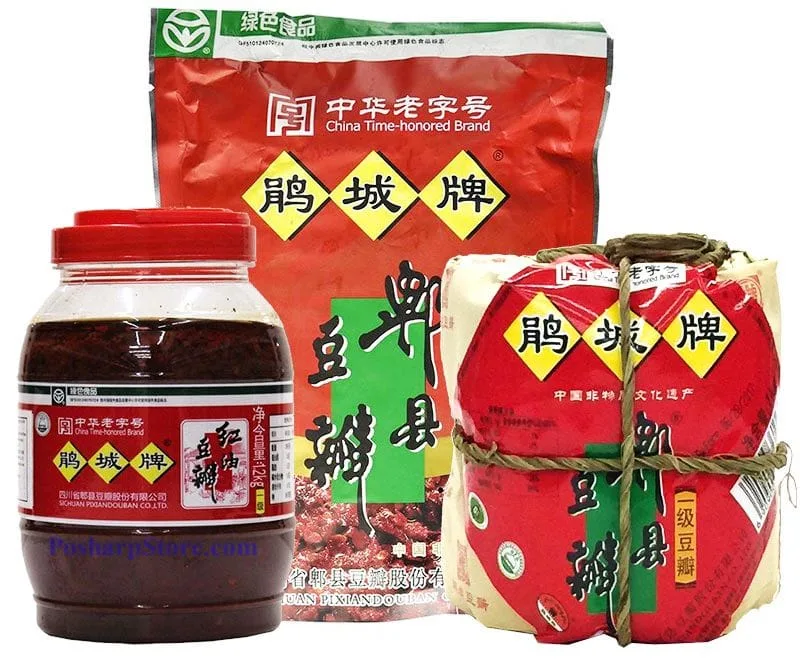
Fermented, salty, spicy and deeply umami. Doubanjiang is the heart of Sichuan cooking – without it there’s no proper mapo tofu or kung pao. It’s made by fermenting broad beans and chilies, which gives it a complex flavor nothing else can replace.
How to Use It
The base of mapo tofu, kung pao, twice-cooked pork and most spicy Sichuan stir-fries.
For a typical example, see the Mapo Tofu recipe.
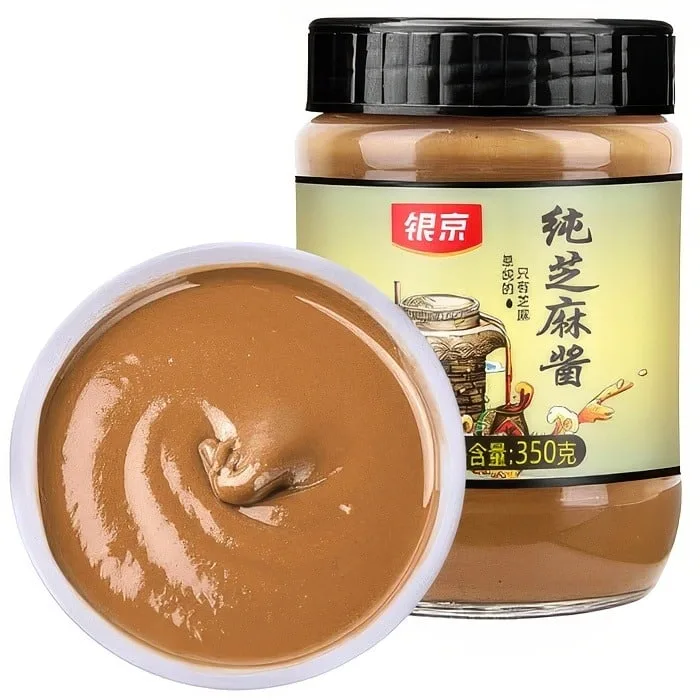
Sesame Paste
Nutty, creamy and bold. Chinese sesame paste is usually more deeply toasted and more intense than regular tahini – if you substitute tahini, expect a milder result.
How to Use It
Cold noodles, hot pot dipping sauces and all kinds of sauces. It also makes a great base for Asian salad dressings.
Which Sauces Should You Buy First?
If you want to start cooking real Chinese food at home, we recommend starting with these five:
- Light soy sauce – the basis of absolutely everything
- Dark soy sauce – for color and depth
- Oyster sauce – for that restaurant flavor
- Chili oil or Lao Gan Ma – for heat and texture
- Doubanjiang – if Sichuan cooking is calling you
With these, you can cook a huge range of classic Chinese dishes. All of them are available at Asian grocery stores and online.
For inspiration, browse all Wonglicious recipes.
A Final Tip
Many people use just one “regular” soy sauce. Learning the difference between light and dark soy sauce is one of the biggest steps toward the real flavor of Chinese cooking.
Next time you taste really good Chinese noodles or fried rice, there’s a good chance several of these sauces are in there together. And now you’ll know which is which.