
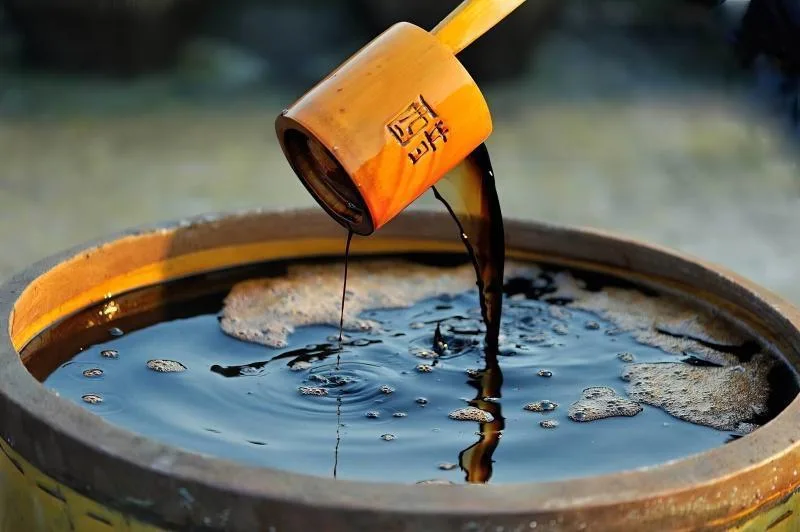
Chinese cooking is full of incredible flavors and bold ingredients that give dishes their unique character. One of the most interesting and best-known of them is Chinkiang vinegar. This aromatic black vinegar, with its rich, tangy-sweet flavor and dark color, comes from Jiangsu province in eastern China and has an important place in Chinese cooking.

Chinkiang vinegar, also known as Chinese black vinegar or Zhenjiang vinegar, has a history going back centuries. It’s named after the city of Zhenjiang (formerly romanized as Chinkiang), which lies on the Yangtze River in Jiangsu province. The region has long been known for growing rice and making fermented products, so vinegar-making was a natural fit.
How It’s Made
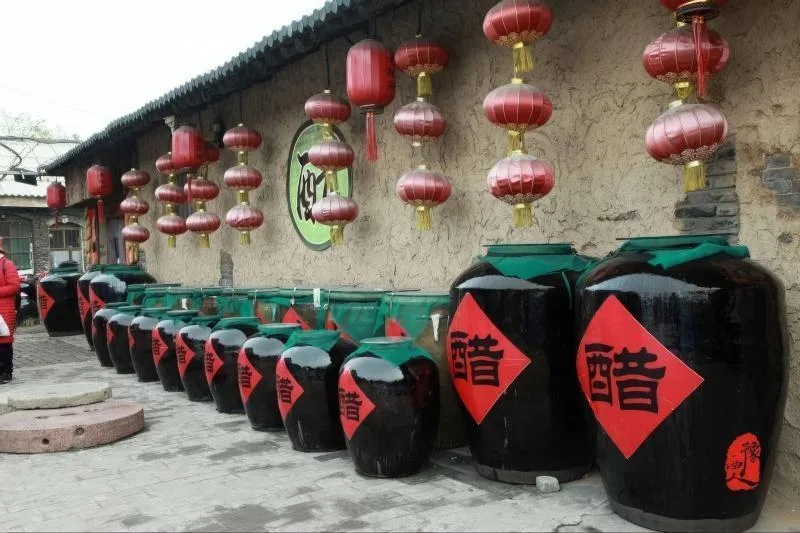
Chinkiang vinegar is made mainly from glutinous rice, fermented together with wheat bran and rice husks using special starter cultures of yeasts and bacteria. Fermentation and aging take months or even years, traditionally in large earthenware jars, which helps the vinegar develop its unique flavor and aroma. As it ages, the vinegar darkens and takes on a rich, tangy-sweet, slightly malty taste.


How to Use It
Chinkiang vinegar is dark brown to black, slightly thick and distinctly tangy-sweet, with an intense aroma reminiscent of caramel and nuts. It shines in Chinese sauces, marinades, cold dishes, dressings and soups. Because it’s quite concentrated, start with a small amount and add more to taste. If you can’t find it, balsamic vinegar is the closest everyday substitute, though it’s sweeter and fruitier.
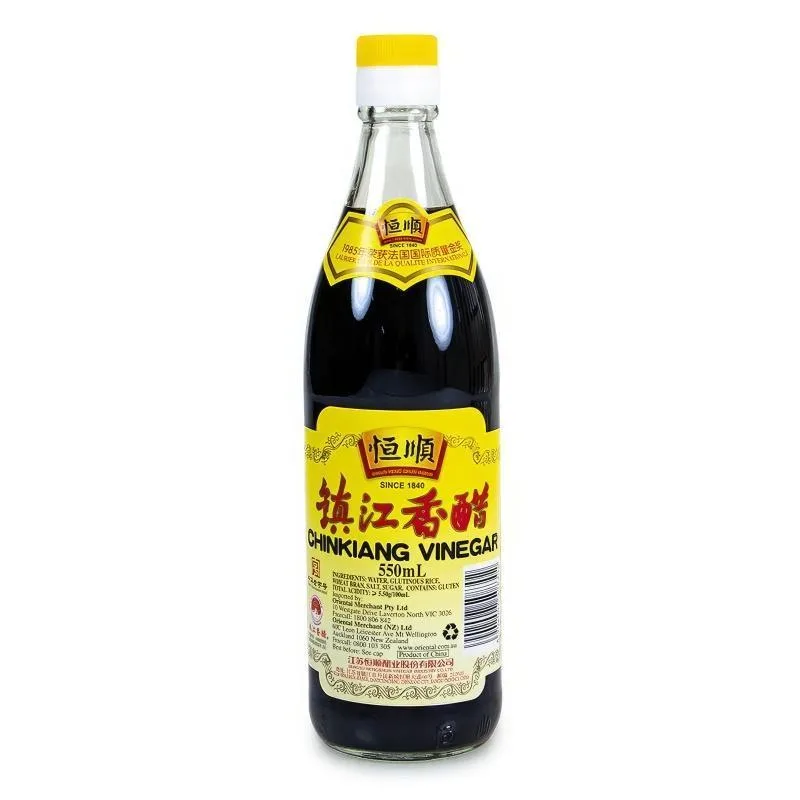
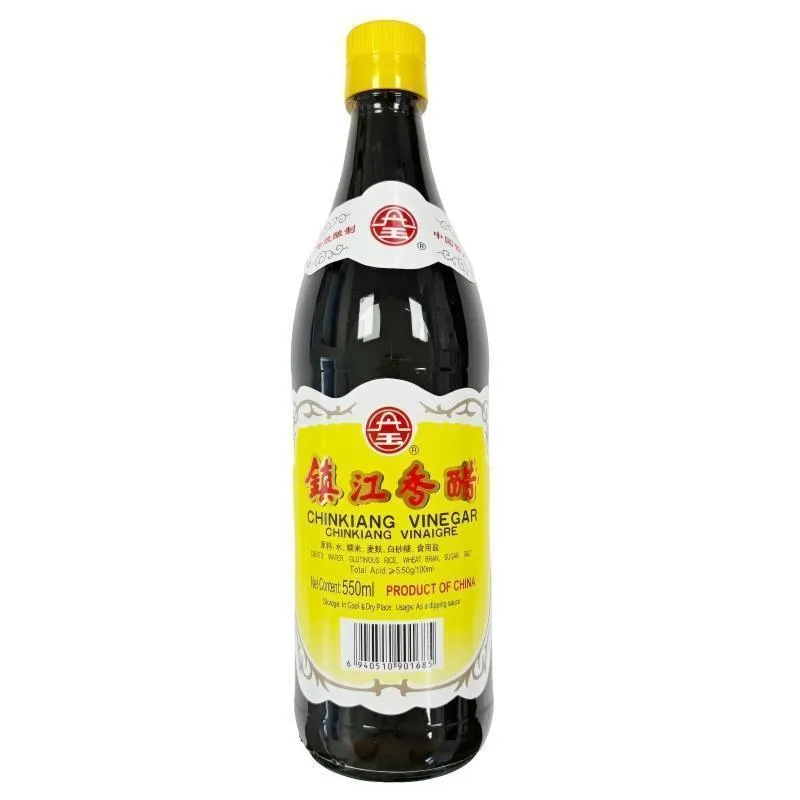
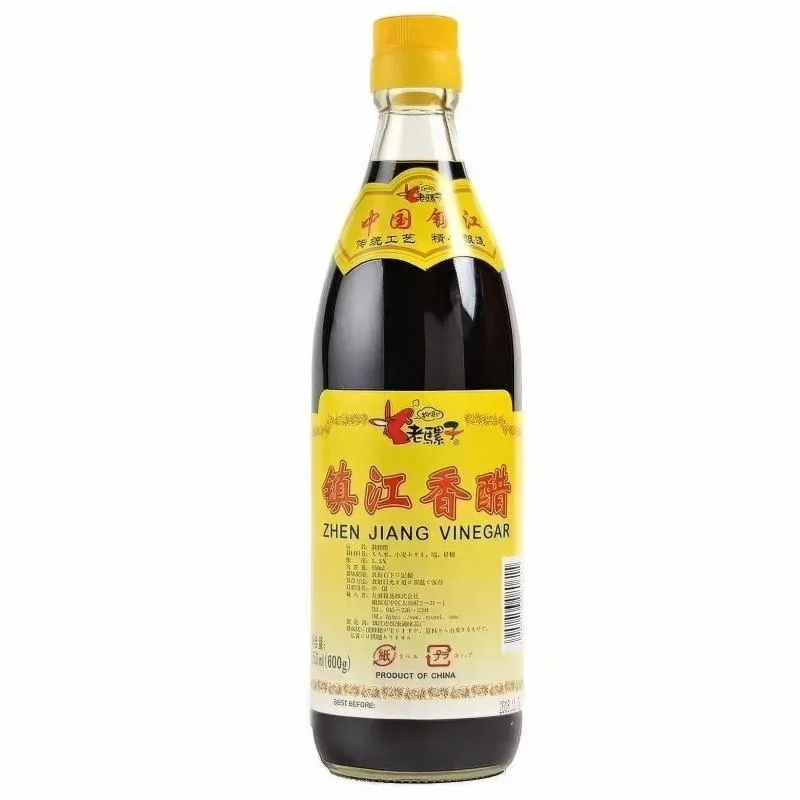
Black vinegar isn’t only an important part of Chinese cooking – it’s also traditionally valued for aiding digestion. Besides adding an earthy acidity and gentle sweetness to food, it contains small amounts of B vitamins and minerals such as magnesium and potassium.
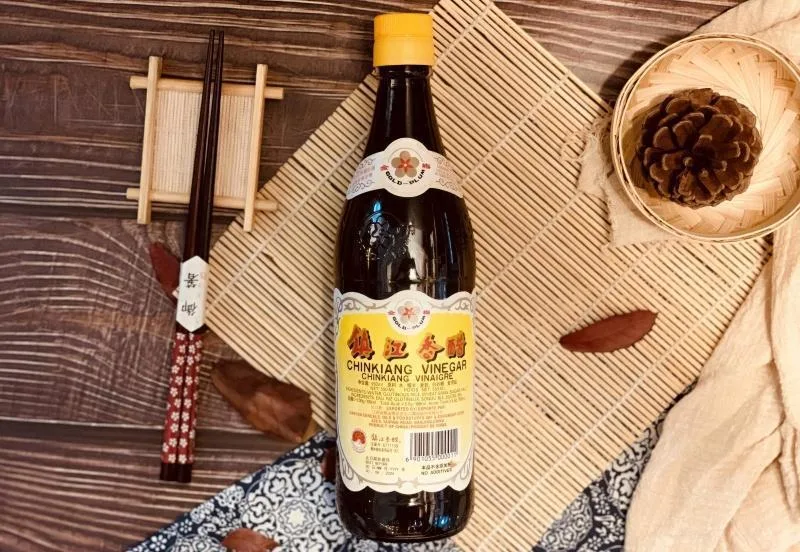
Chinkiang vinegar is without doubt one of the most distinctive and best-loved ingredients in Chinese cooking. Its unique tangy-sweet flavor and aroma make it irreplaceable in many dishes. If you haven’t tried it yet, I highly recommend it – it will open up new possibilities in your Chinese cooking. The best way to taste it for the first time is a spoonful straight into a bowl of Dan Dan noodles, or as a dip for dumplings. That’s when its depth really comes through.