
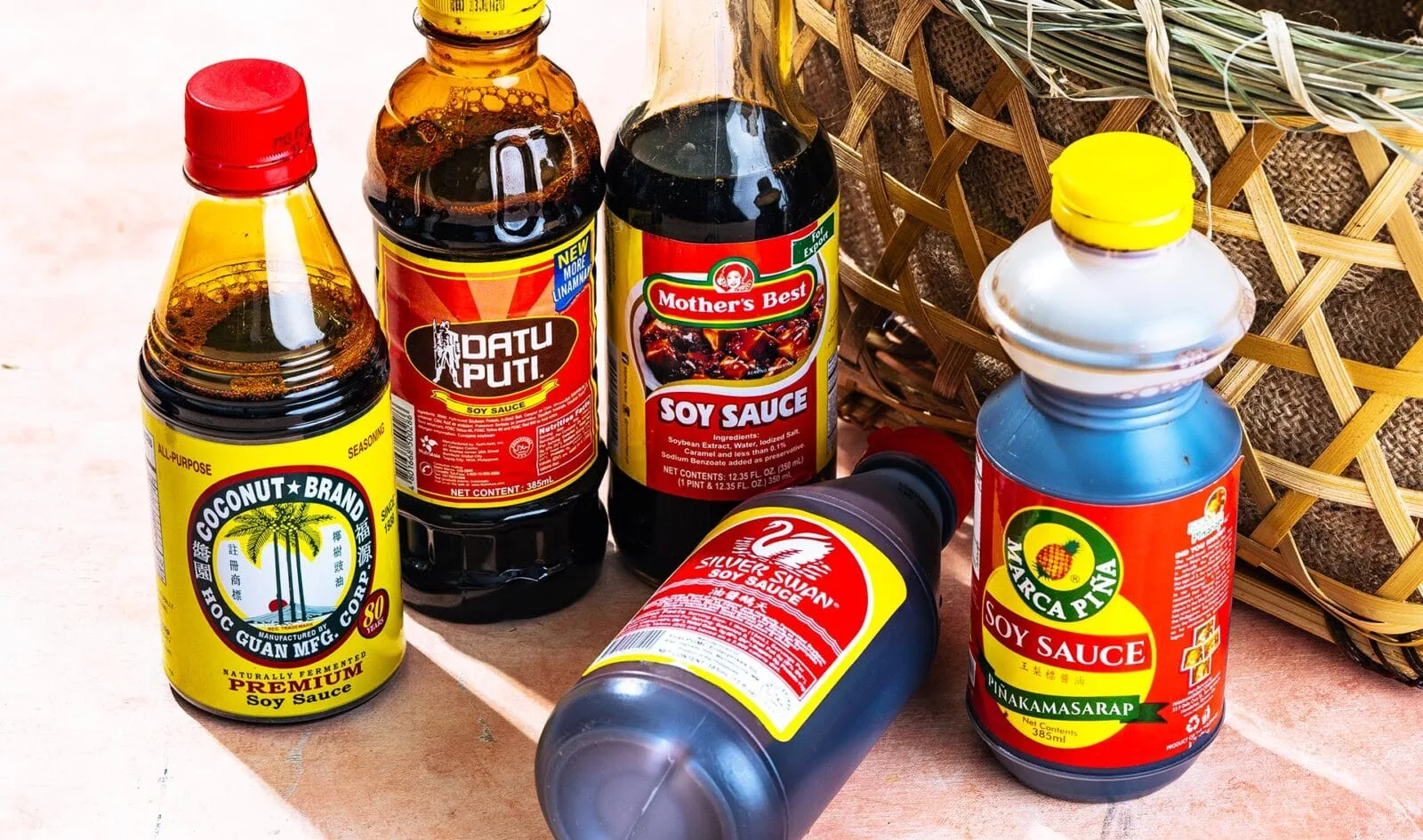
Dark soy sauce is used for color and flavor – it gives a beautiful mahogany color to everything it touches.
Light and all-purpose soy sauce is used when you want to season a dish (with salt) without overwhelming it with a strong soy flavor or darkening it.
A combination of dark and light soy sauce is used to balance flavor, saltiness and color.
Contents:
Light soy sauce is usually a blend of the first few extractions, with a higher share of the first pressing indicating better flavor. Dark soy sauce is a more matured extraction, achieved through repeated sun-drying and aging. Industrially made dark soy sauce often contains molasses and caramel color for a deeper color and thicker texture.
Which Soy Sauce to Buy?
For Japanese dishes, use a good all-purpose Japanese soy sauce or Chinese light soy sauce.
Chinese food draws on many different styles from different regions of China. The best-known and most distinctive are Cantonese, Shandong and Sichuan cooking. Chinese food in America and Europe has mostly evolved from Cantonese cooking.
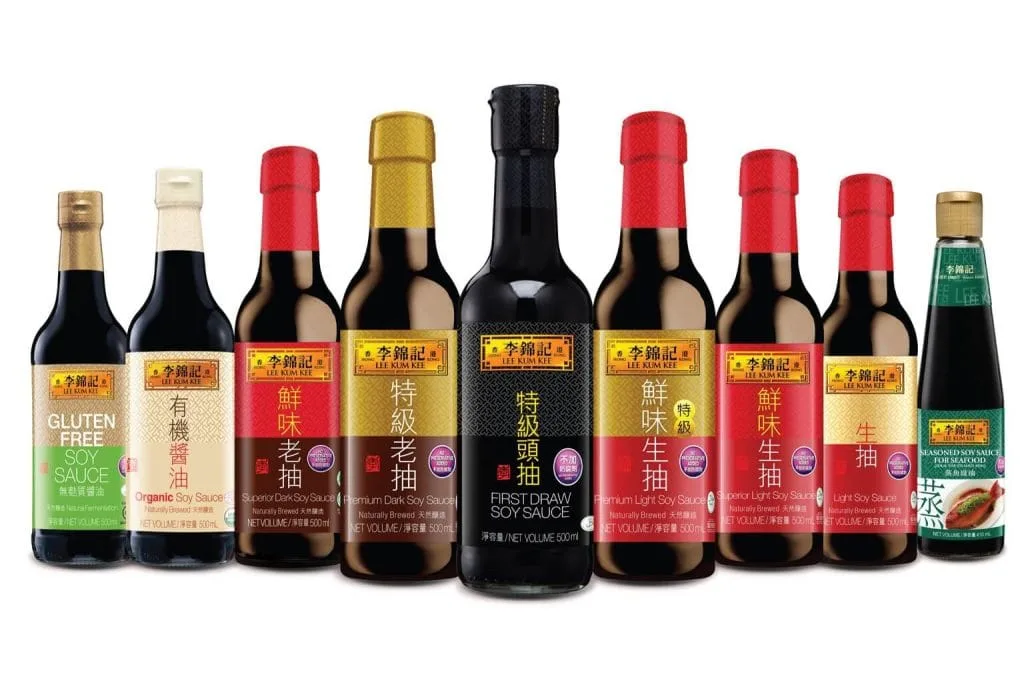
If you’re cooking Cantonese or similar Chinese dishes, buy Chinese light and dark soy sauces. If a recipe calls for “soy sauce” without specifying, it means light soy sauce. Popular brands include Pearl River Bridge, Lee Kum Kee, Chubang and Koon Chun. You’ll have to find your favorite yourself – each has its strengths and weaknesses.
Chinese Soy Sauces
In Chinese, soy sauce is called jiàngyóu (酱油), chǐyóu (豉油) or dòuyóu (豆油). Compared with Japanese soy sauce, Chinese recipes usually contain less wheat flour and wheat bran. Technically, the wheat flour is used more to aid incubation than to add flavor.
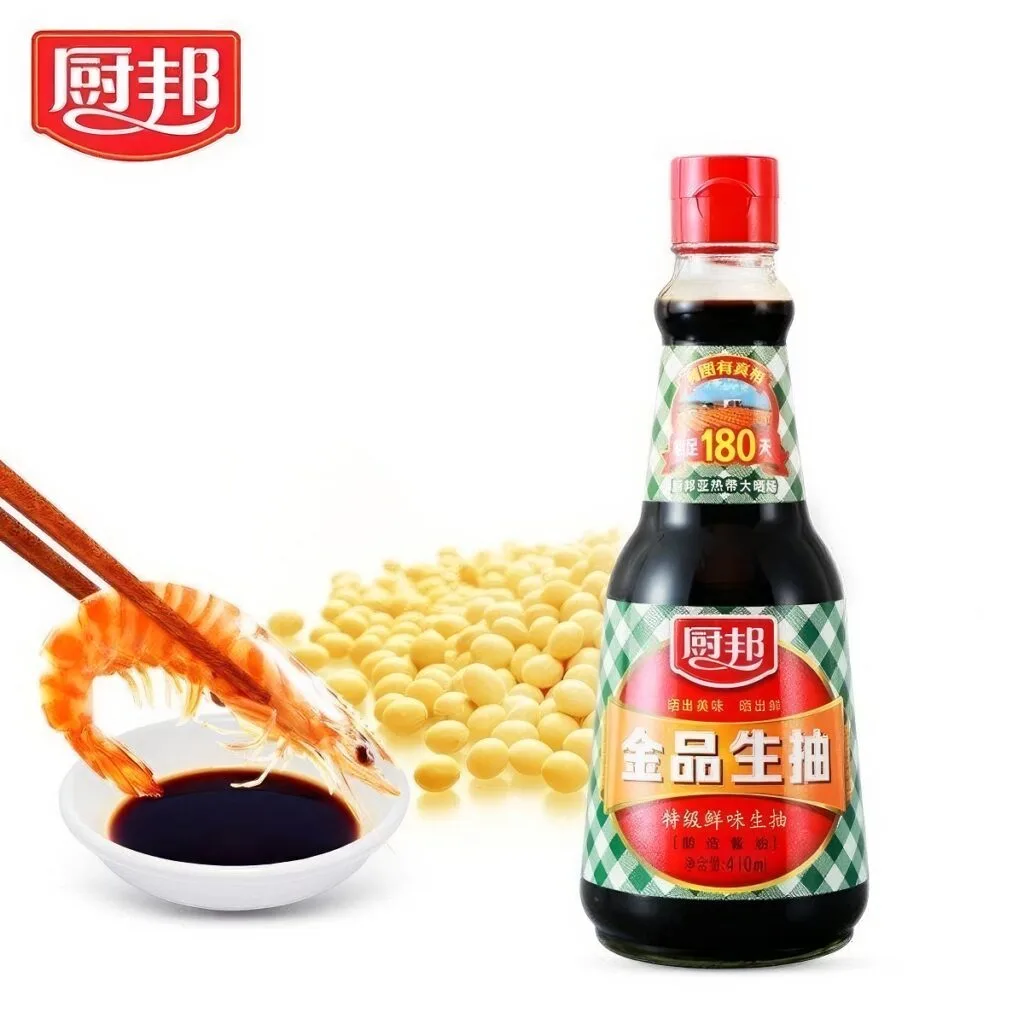
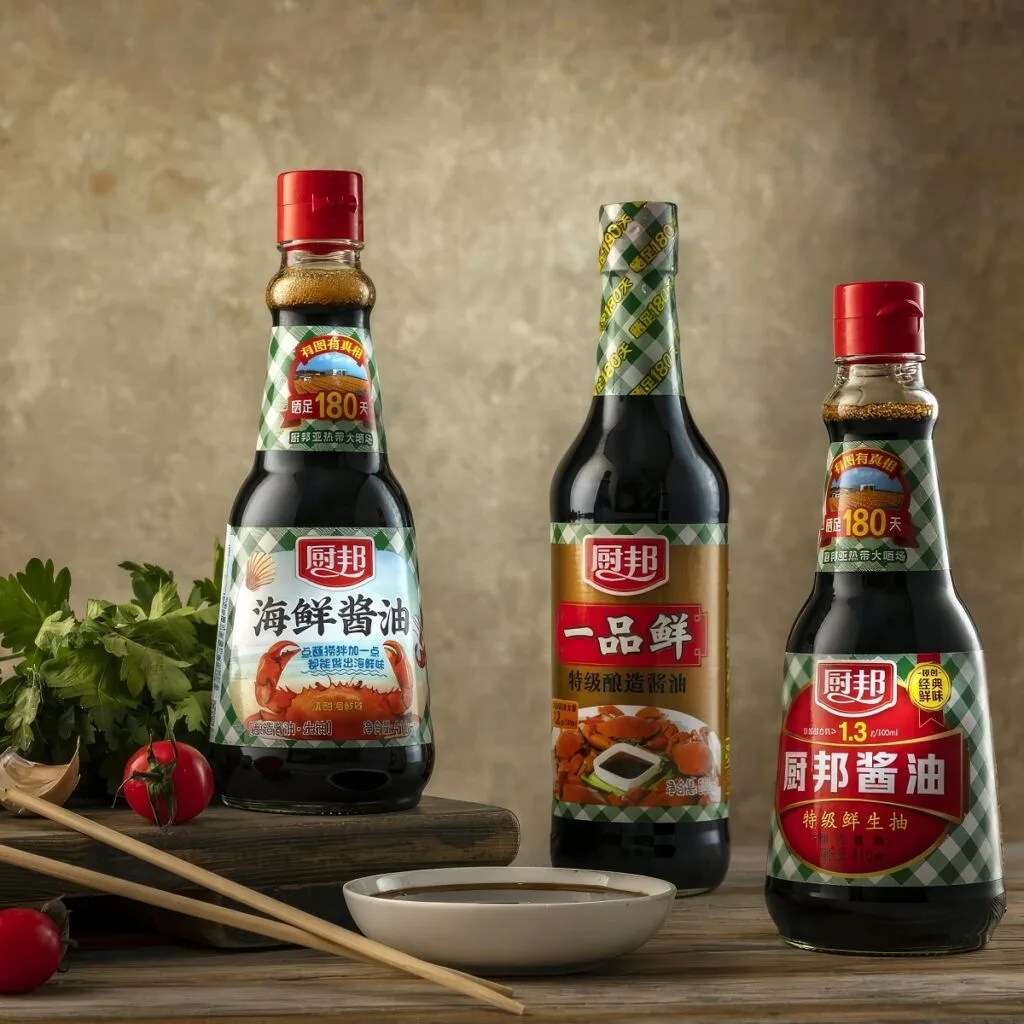
China has no national standard that classifies soy sauce by color or use. The terms “light soy sauce” and “dark soy sauce” originally come from traditional naming in southern Cantonese-speaking regions, including Guangdong and Hong Kong. Today these names are slowly becoming common in the rest of China and abroad.
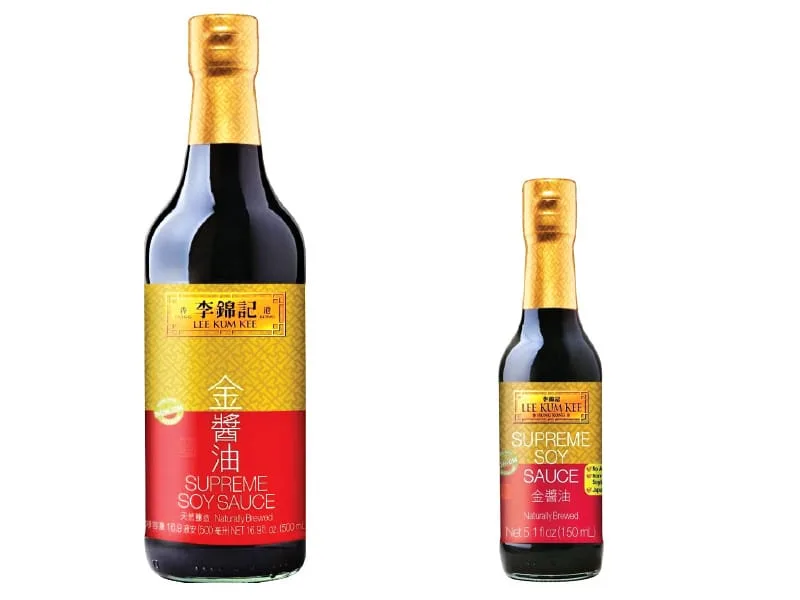
Historically, most regions outside southern China, including Sichuan, used just one soy sauce for everything. Even today, well-known local Sichuan brands such as Zhongba and Xianshi still make a single all-purpose soy sauce. This “one bottle for everything” culture is similar to Japan and Taiwan, and it’s not unusual for locals there to be unfamiliar with light and dark soy sauce altogether.
Sweet Soy Sauce
Sweet soy sauce (Fù Zhì Jiàng Yóu 复制酱油) has a rich flavor and thick texture. It’s used mainly to season meat, in marinades, noodle dishes and sauces – and you can easily make it at home.
White Soy Sauce
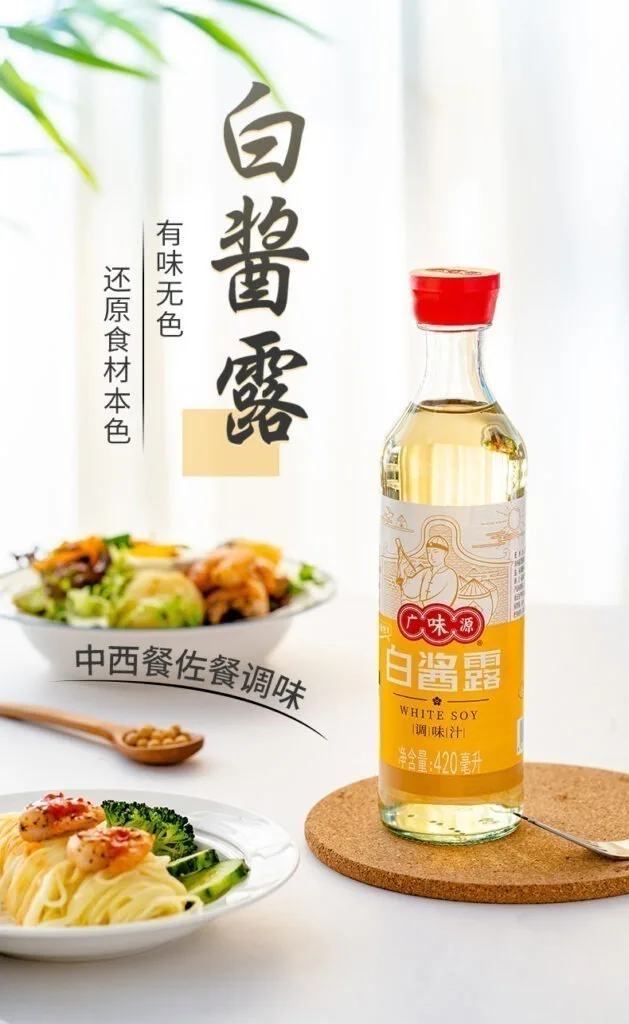
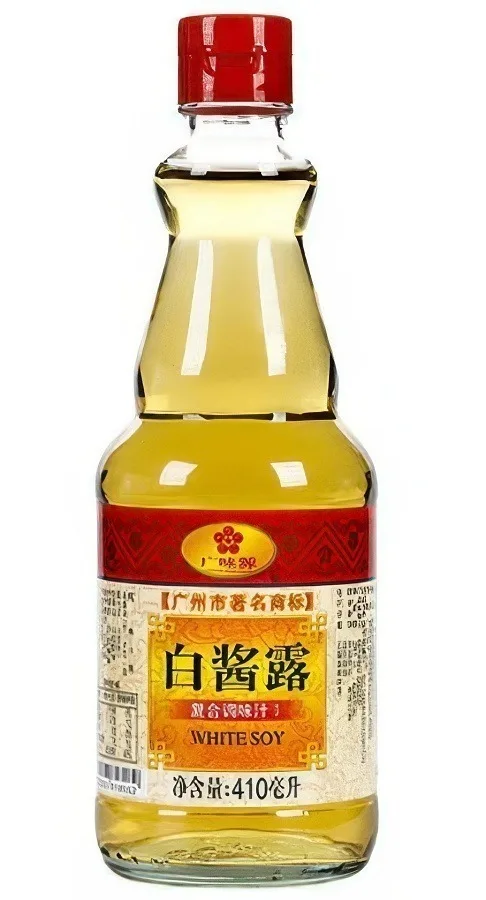
White soy sauce (白酱油): a specialty sauce with a pale brown or almost clear color, used in southern and eastern China for cold dishes. It’s rarely available outside China.
Light Soy Sauce
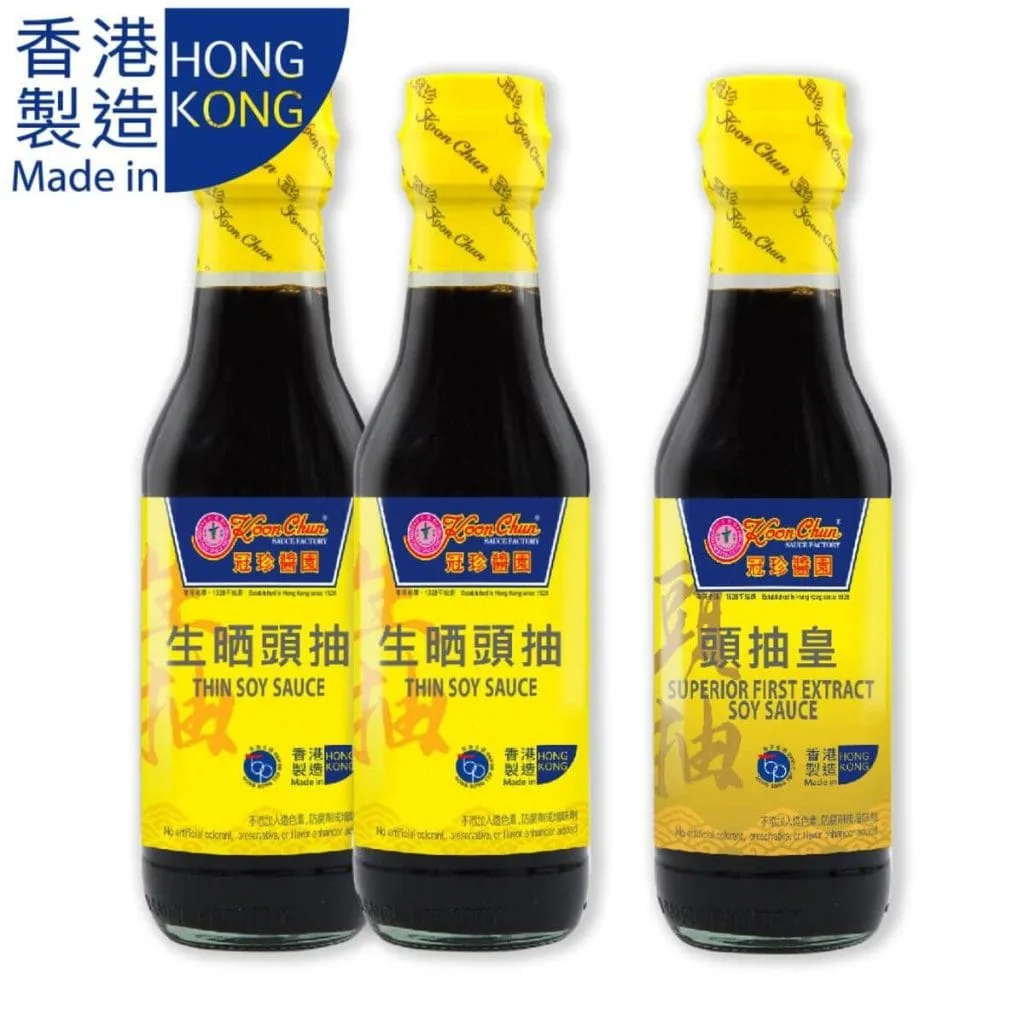
Light soy sauce (生抽, shēng chōu) is relatively thin, light in color, salty and low in viscosity. It’s lighter than all-purpose soy sauce, and in Cantonese cooking it’s simply regarded as regular soy sauce. Light soy sauce is graded as “Premium” (特级), “Gold Label” (金标) or “Silver Label” (银标). As with extra virgin olive oil, the first premium extraction is considered the best; premium light soy sauce is sometimes called tóu chōu (头抽, “first draw”). Its delicate flavor makes it ideal for seasoning lighter dishes and for dipping.
When it’s fermented a second time, using light soy sauce from another batch instead of brine, it’s called double-fermented soy sauce (双璜). Thanks to its luxurious flavor, it’s mainly used for dipping.
Dark Soy Sauce
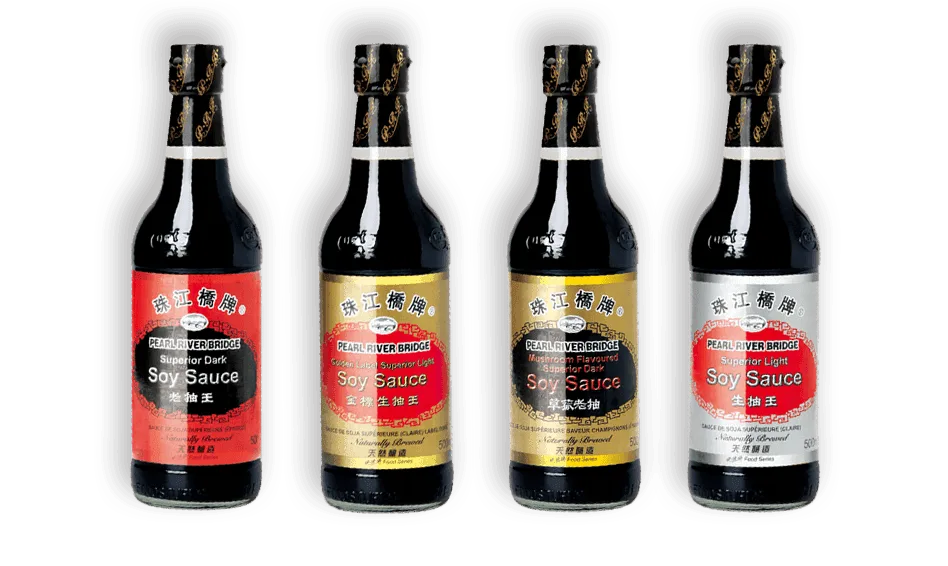
Dark soy sauce (老抽, lǎo chōu) is darker and somewhat thicker. Its flavor is richer, sweeter and less salty than its light counterpart.
In traditional artisanal production, it’s made by aging the first extraction of light soy sauce for several more months in a sunny spot. As water evaporates and salt crystallizes during aging, the sauce becomes darker, thicker and less salty, with a sweet note. In modern production, molasses or caramel color is simply added to light soy sauce (rarely the first extraction) to give it its characteristic look.
It’s used mainly for slow, long cooking such as braising and red-cooking (hóng shāo). It gives dishes a lovely caramel color and a slightly sweet undertone.
Dark soy sauce is sometimes made with the addition of straw mushroom extract for a richer flavor than plain dark soy sauce. The result is called mushroom dark soy sauce (草菇老抽).
Japanese Soy Sauces
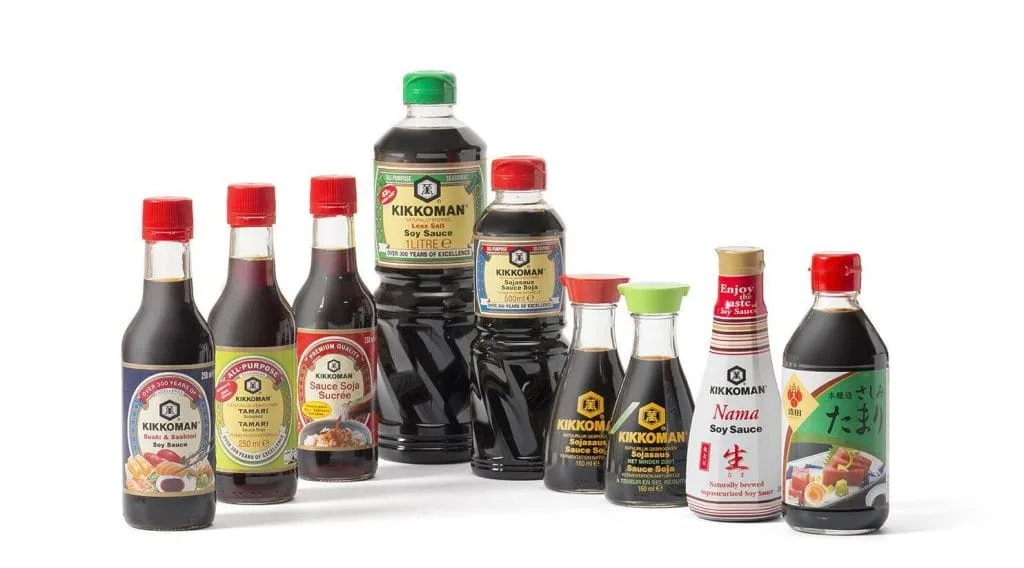
In Japanese, soy sauce is called shōyu. Compared with Chinese soy sauce, Japanese soy sauces are generally all-purpose. One bottle can cover every kind of dish, from prep to cooking to finishing at the table.
Regular soy sauce (醤油, koikuchi)
Regular Japanese soy sauce, or koikuchi shōyu, makes up more than 80% of Japan’s total soy sauce production. It’s made from roughly equal amounts of soybeans and whole wheat. The roasted wheat contributes not only to the aroma but also to a clearer, thinner sauce than Chinese soy sauces, which use only a small proportion of wheat flour. Thanks to these differences in ingredients and fermentation, it tastes somewhat sweeter, rounder and richer than Chinese soy sauce, which is thicker, sharper and saltier.
Tamari
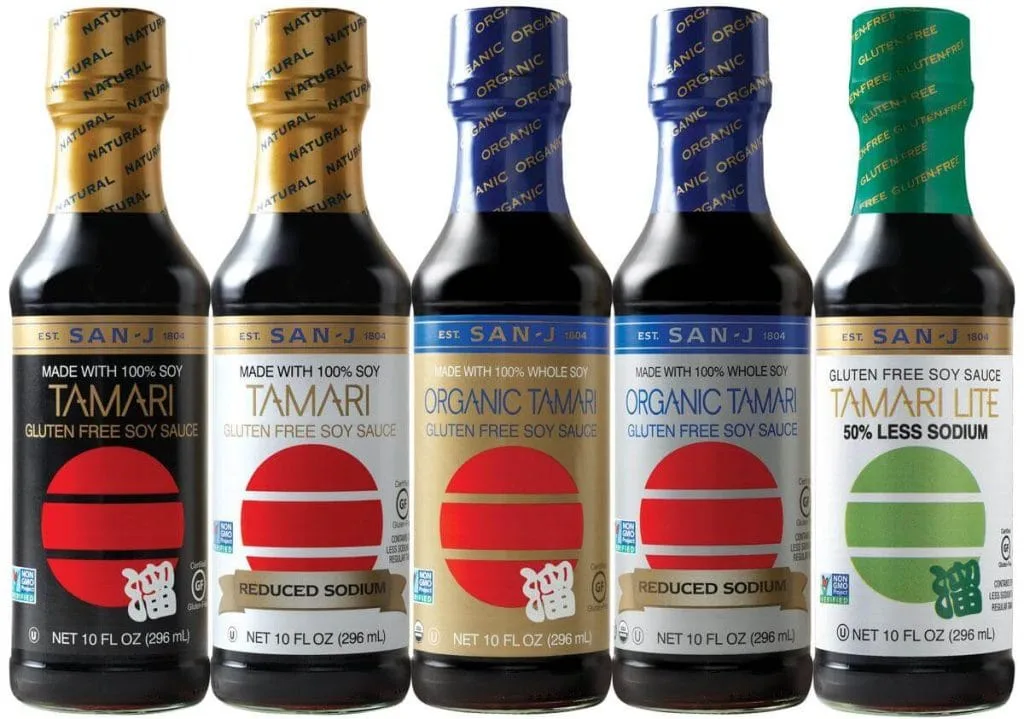
Tamari, an “original” specialty form of Japanese soy sauce, is closer to traditional artisan-made Chinese soy sauce. It’s traditionally made with little or no wheat. It has a thicker texture, darker color and a stronger yet smoother flavor, and it holds its flavor well at high temperatures. Because regular soy sauce is half wheat, it contains more aromatic compounds in the form of alcohols and esters, which evaporate at high heat.
If you’re allergic to wheat, a wheat-free tamari can be a good alternative to shōyu – just check that the label says it’s gluten-free.
Taiwanese Soy Sauces
Soy sauce making in Taiwan, which has its own specialties, has roots in both China and Japan, and Taiwanese soy sauce culture differs slightly from that of mainland China. Taiwanese soy sauces can be divided into wheat-based soy sauce and black bean soy sauce. The first is similar to Japanese-style soy sauce and northern Chinese soy sauce; the second is close to traditional handmade Chinese soy sauce, but made with black soybeans. Black bean soy sauce is a Taiwanese specialty.
Indonesian Sweet Soy Sauce
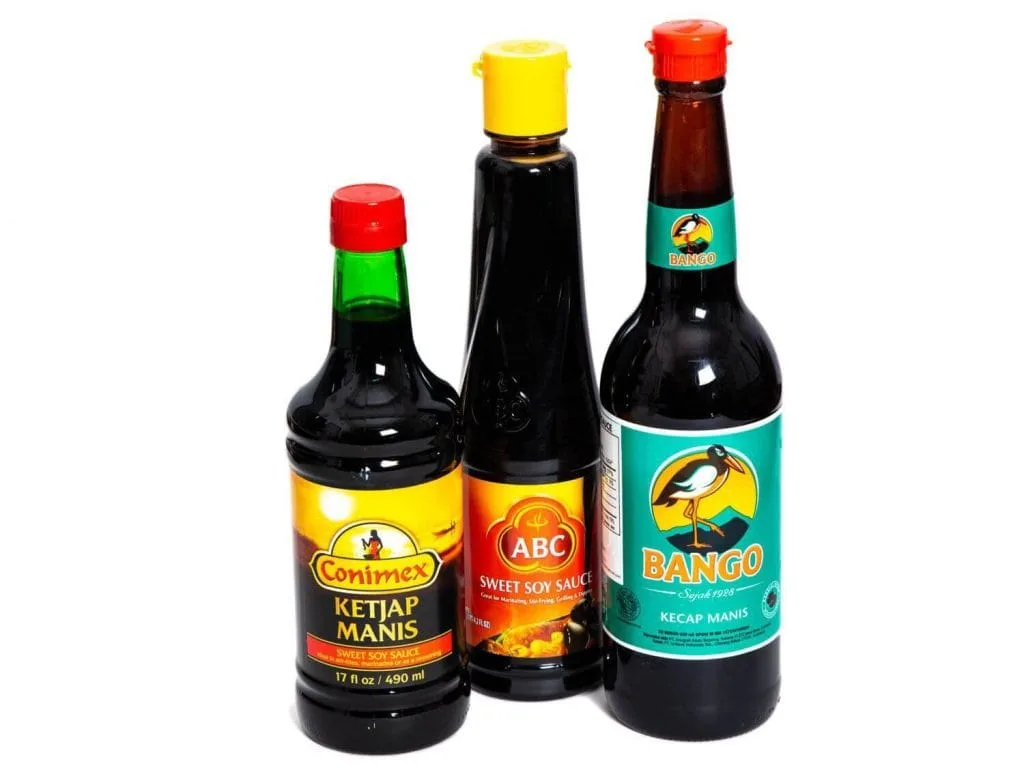
Other types of soy sauce include kecap manis, a sweet Indonesian soy sauce with a syrupy consistency. It adds sweetness, color and soy flavor.
Low-Sodium Soy Sauce
Low-sodium soy sauce contains about 35–40% less sodium than regular soy sauce. It’s used when you need to cut down on salt for blood pressure or heart health.
It contains additives that make up for the loss of flavor and preservation that comes with reducing salt, so unless you need it, regular soy sauce used in moderation is usually the better choice.
Gluten-Free Soy Sauce
As soy sauce has grown more popular, gluten-free versions have become increasingly easy to find. This is almost always clearly marked on the label.
Benefits of Soy Sauce
A study from the National University of Singapore reported that Chinese dark soy sauce contains about ten times more antioxidants than red wine and may help protect against cardiovascular disease.
Nutrient content varies depending on the type of soy sauce and the ingredients used to make it.
Soy sauce contains more than 300 different flavor compounds that give it a balanced complexity, many of which can mask fishy odors and add a savory note to food.
Soy sauce enhances food by adding umami from glutamic acid, one of the amino acids it contains.
When meat marinated in soy sauce is stir-fried or grilled, the sauce creates a rich, glossy color that makes food look even more appetizing.