
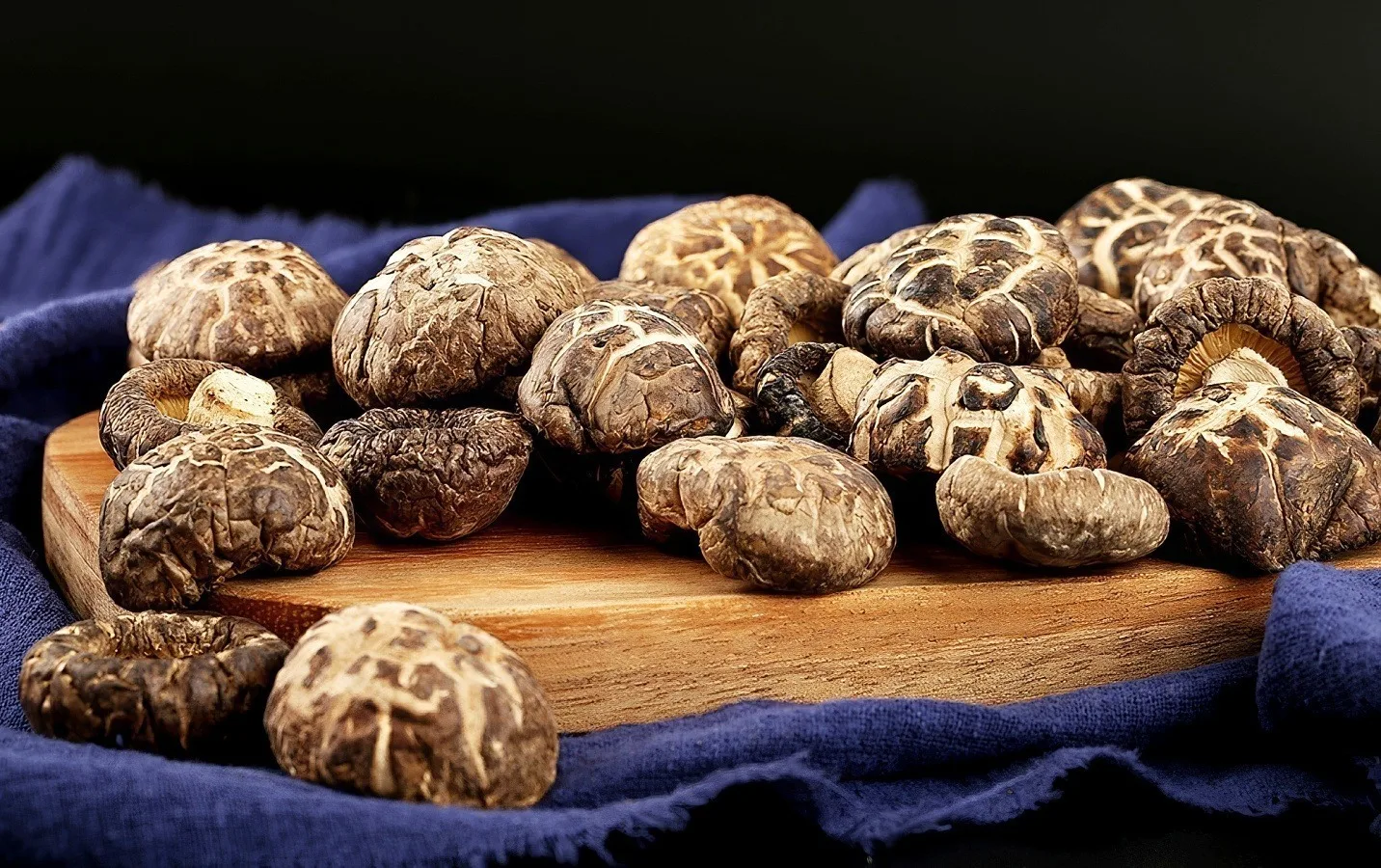
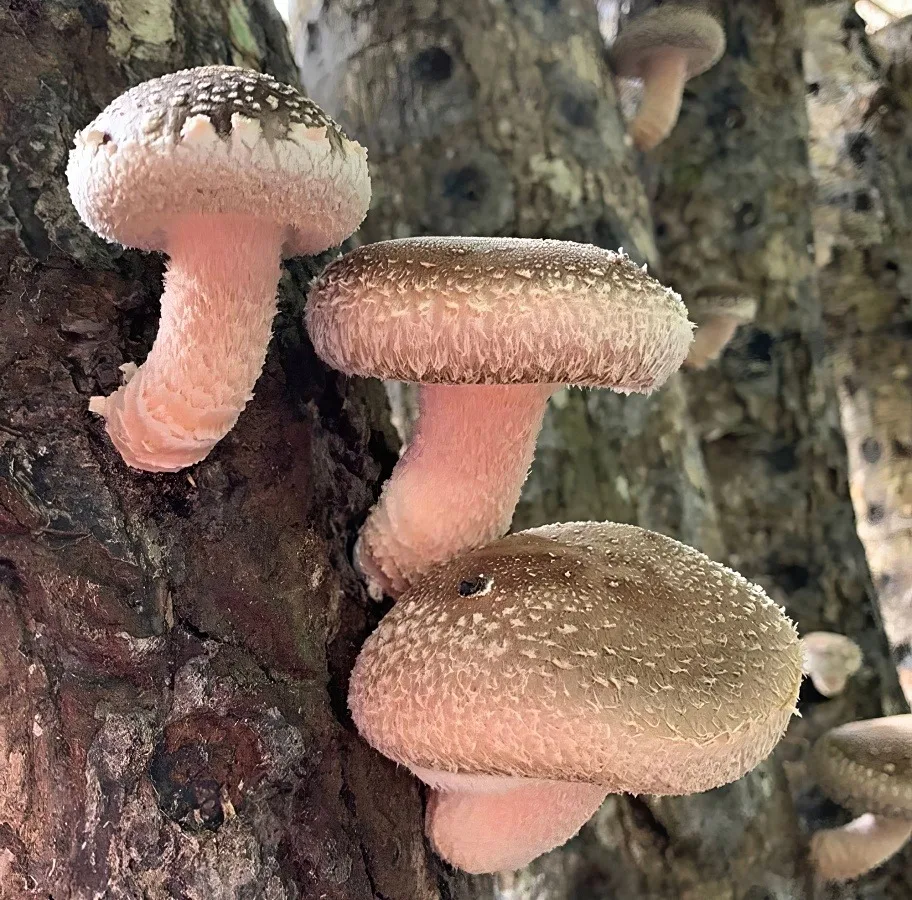
Shiitake mushrooms (Lentinula edodes) are among the best-known and most prized mushrooms in the world, especially in Asia. They stand out for their bold flavor, meaty texture and many health benefits. In the main producing countries – China, Japan and Korea – they’re eaten in large quantities at home. According to a 2020 study, China is by far the largest producer, accounting for about 72% of the world’s cultivated mushrooms, and shiitake is the most widely grown mushroom in China, at roughly 25% of its output.
Contents:
Origins and History of Shiitake
Shiitake are native to the forests of East Asia, where they grow on decaying hardwoods such as oak, beech and chestnut. The name “shiitake” comes from the Japanese words “shii” (a tree related to the chestnut) and “take” (mushroom). In China they’re called “xiānggū” (香菇), which means “fragrant mushroom.”
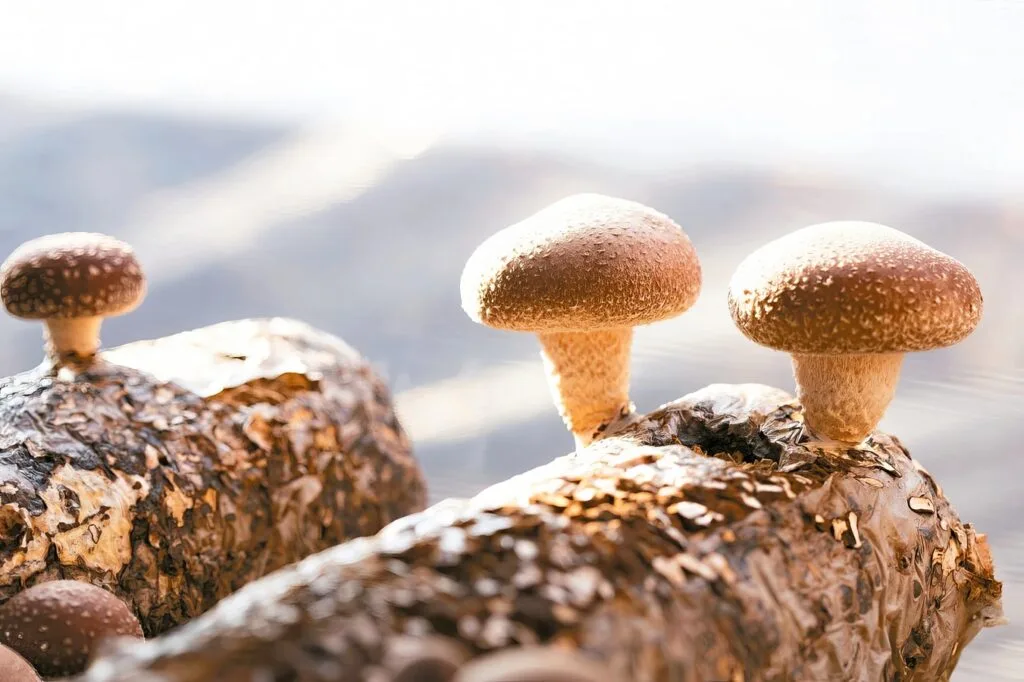
Shiitake have been eaten in China for a very long time; some sources trace them back as far as the Han dynasty (206 BC – AD 220). The first records of cultivating fragrant mushrooms on logs date from the Song dynasty (960–1279). At that time they were valued both as food and as a cornerstone of traditional Chinese medicine. From the Ming dynasty (1368–1644) comes the important medical text Compendium of Materia Medica (Běncǎo Gāngmù 本草纲目) by Li Shizhen, which described their medicinal properties in detail.
Shiitake also have a long history in Japan, where they are mentioned in sources going back many centuries. Log growers often use a technique known as “soak and strike“: the logs are soaked in water and then struck, which triggers the mushrooms to fruit. This traditional method is still used by log growers today.
How Shiitake Are Used in Cooking
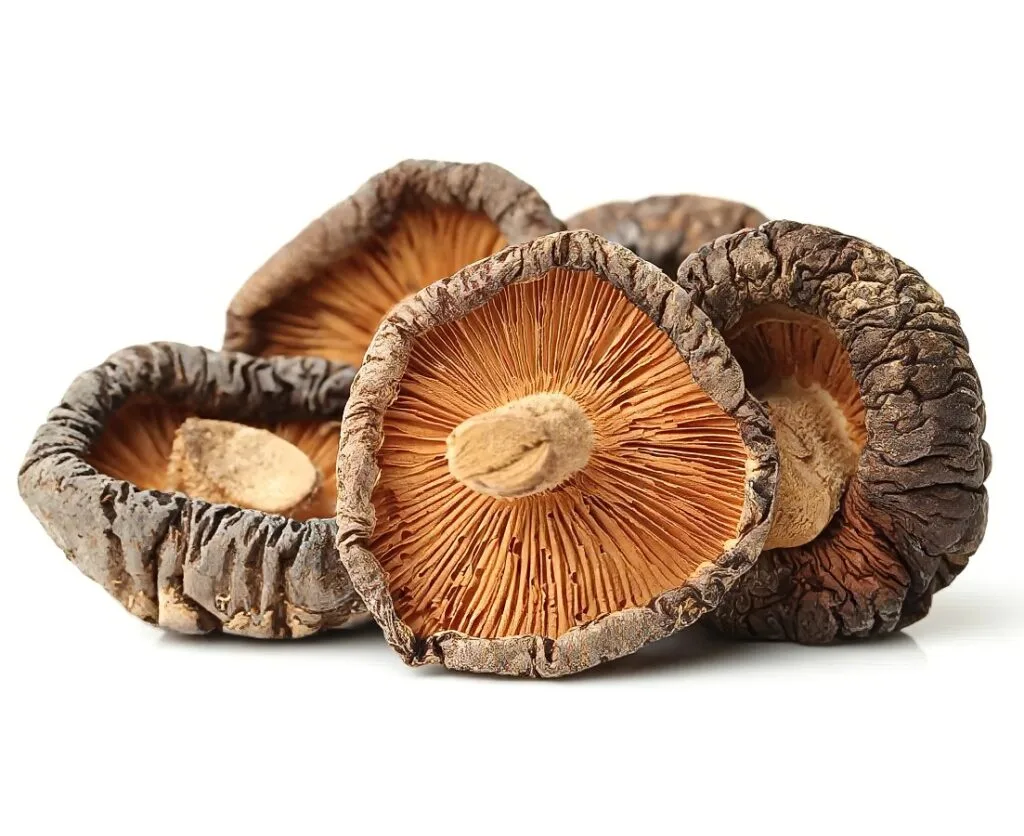
Shiitake are used widely in Asian cooking thanks to their rich umami flavor and meaty texture. They’re used both fresh and dried, and they’re a staple ingredient in many dishes.
- Soups and broths: Dried shiitake make an excellent base for soups and broths. Their earthy, woodsy flavor adds depth. Dried mushrooms are soaked before use to soften them – ideally in cold water overnight. Save the soaking liquid: it’s a flavorful stock in its own right.
- Stir-fries: Fresh shiitake are excellent in all kinds of stir-fries. Quick cooking over high heat preserves their texture and flavor.
- Rice and noodle dishes: Shiitake are often added to fried rice and noodles, where their umami depth enriches the whole dish.
- Sauces and marinades: They’re a base for sauces and marinades used to flavor meat or vegetables – and for vegetarian “oyster” sauces.
Health Benefits of Shiitake
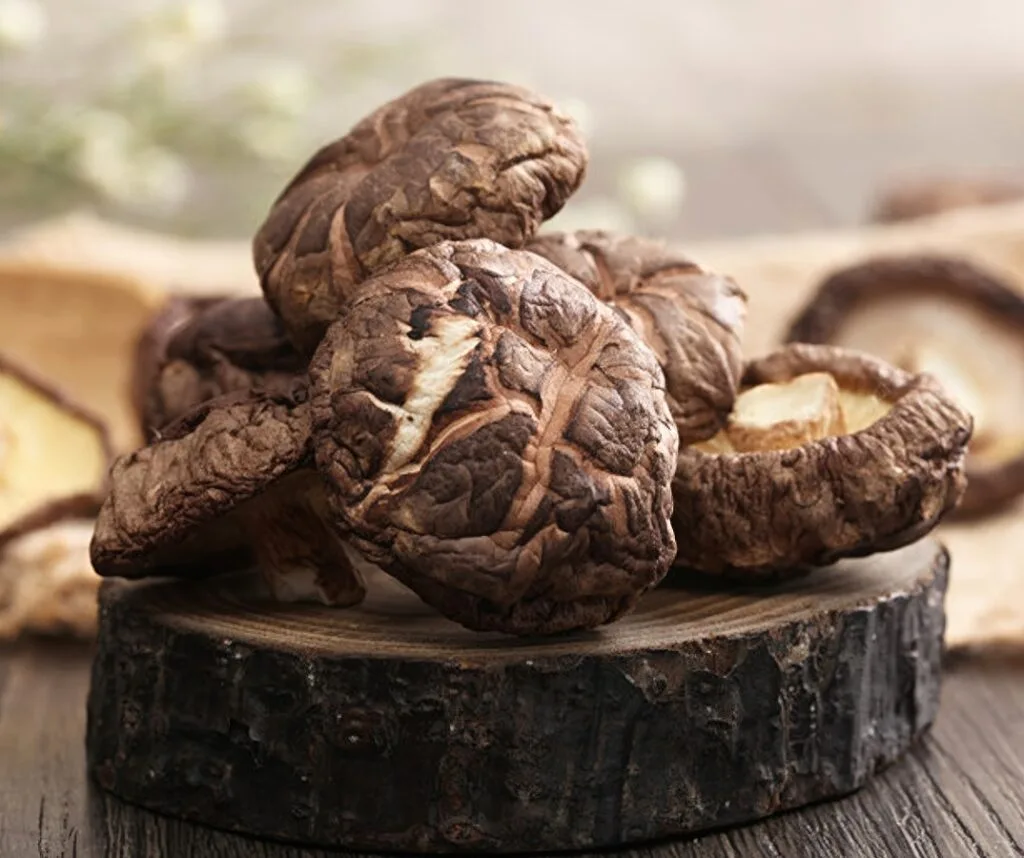
Shiitake aren’t just tasty – they’re nutritious too, providing vitamins, minerals and fiber. Growing interest in healthy eating has boosted demand for them. Research suggests shiitake contain bioactive compounds, including polysaccharides such as lentinan, that may have health benefits. These compounds are thought to have immune-supporting, antioxidant and cholesterol-lowering properties, which makes shiitake attractive to health-conscious eaters.
- Protein: They contain some plant protein – more once dried and concentrated.
- Vitamins: They contain B vitamins (B2, B3, B5, B6) and vitamin D, especially when dried in the sun or exposed to UV light.
- Minerals: They contain copper, selenium, zinc, manganese and potassium.
- Fiber: They contain both soluble and insoluble fiber, which supports healthy digestion.
- Antioxidants: They contain various antioxidants, such as ergothioneine and polyphenols.
Growing Shiitake
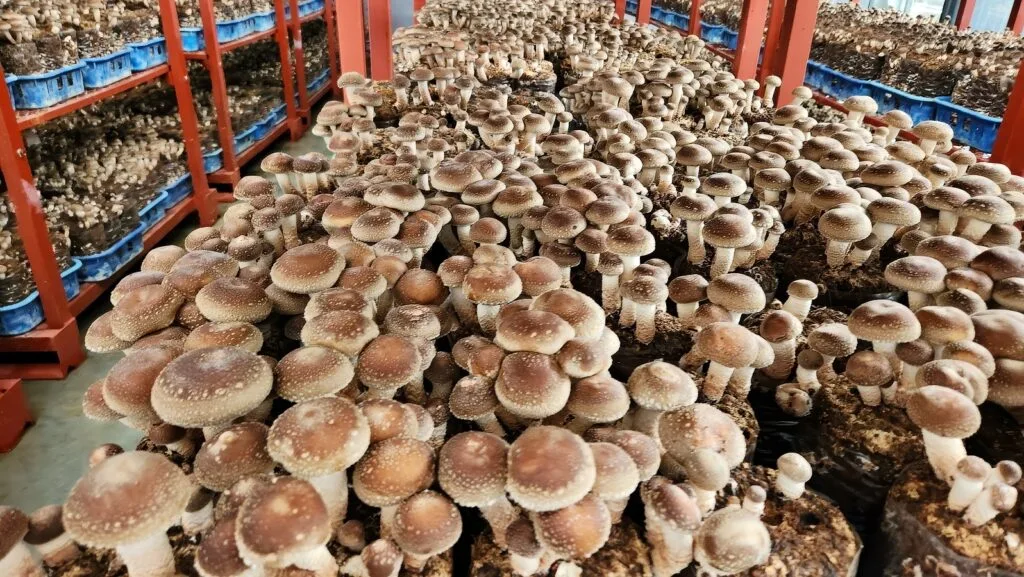
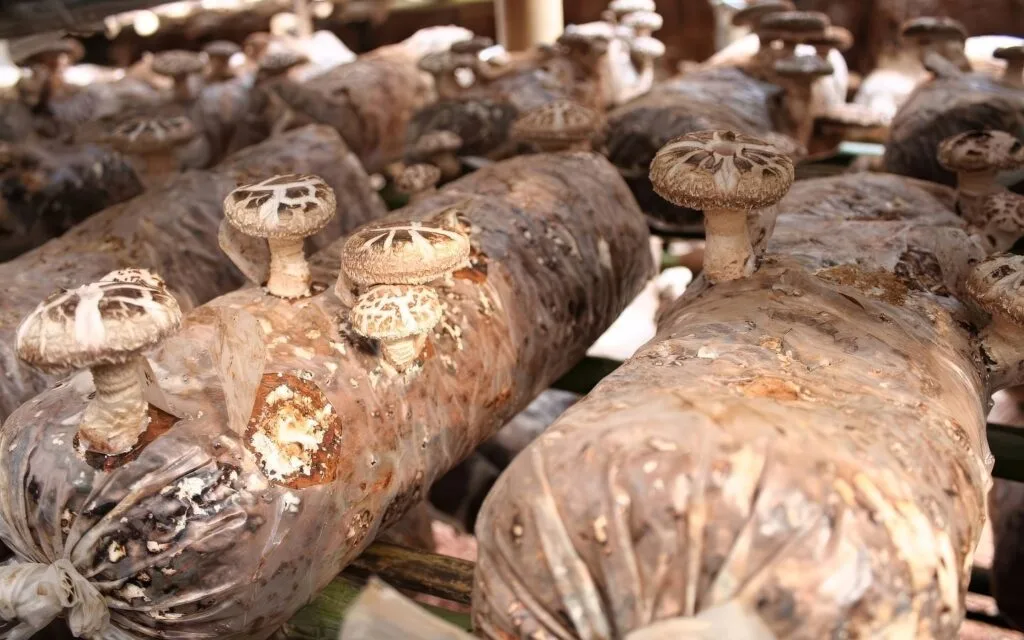
Shiitake cultivation (Lentinula edodes) is a significant industry in the global economy, especially in Asia. The mushrooms are valued not only for their flavor and health benefits but also as a lucrative commodity. There are two main ways to grow them: on wooden logs and on artificial substrates.
- Log cultivation: The traditional method uses hardwood such as oak or beech. The logs are inoculated with mushroom spawn and kept in a humid environment. The first mushrooms appear after several months.
- Artificial substrates: The modern method uses sawdust or straw mixed with nutrients. This substrate is inoculated with spawn and kept in a climate-controlled environment, allowing faster, more efficient growth.
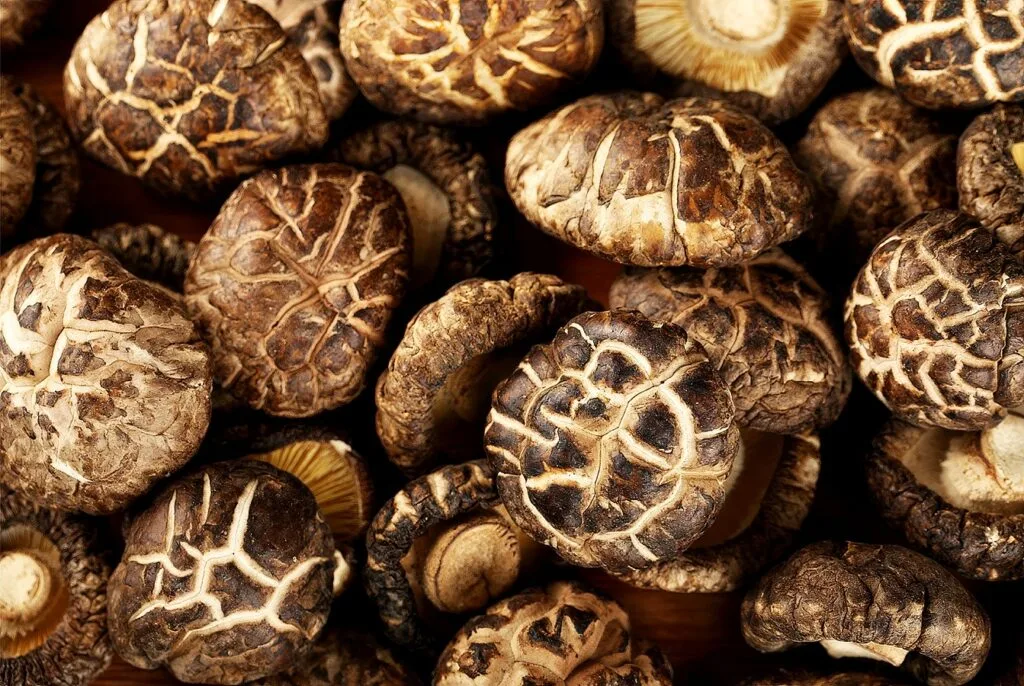
In winter and early spring, when temperatures are low, shiitake grow more slowly. Combined with low humidity, this causes cracks on the surface of the caps that look like flowers. These mushrooms, known as “flower mushrooms” (花菇, huāgū) – with the top grade sometimes called “heavenly white flower mushrooms” or “camellia mushrooms” – look striking and are of very high quality. That makes them highly prized and much in demand for export.
Shiitake are one of those ingredients that do more in the kitchen than you might expect. Whether you add them to a broth, a wok or a bowl of noodles, their earthy umami flavor lifts the dish with very little effort. And if you’ve only ever tried them dried, look for fresh ones sometime – the difference in texture will surprise you.