
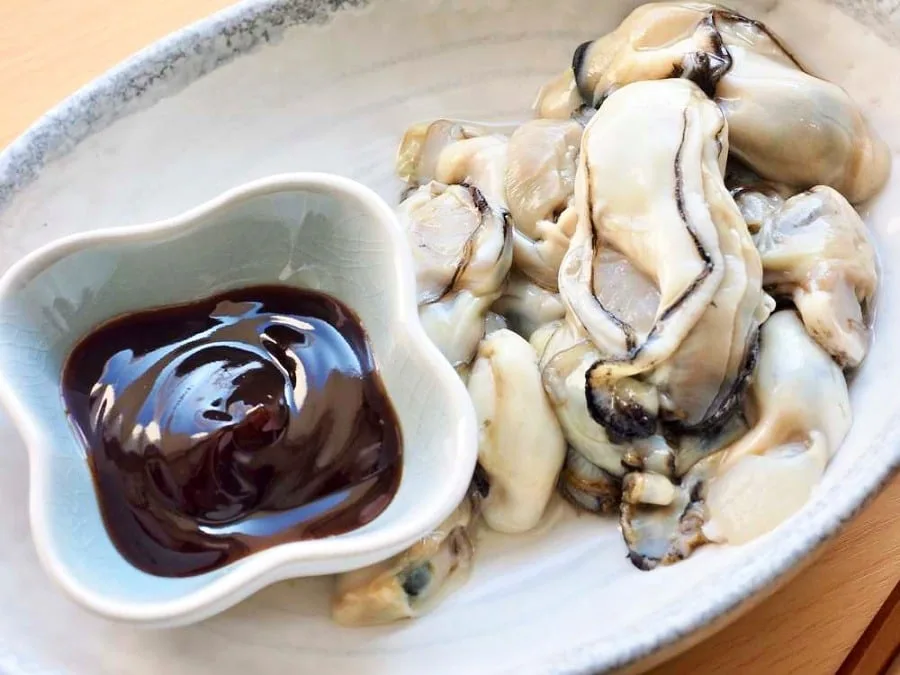
Dig into the secrets of Chinese cooking and you’ll find that many of its best dishes have a hidden helper. One of them is oyster sauce – a dark, sticky, umami-packed liquid that can turn ordinary ingredients into something special. Oyster sauce is now found in kitchens all over the world, but its journey from a small Cantonese fishing village to global fame is a story of accident, innovation and cultural tradition.
Contents:
The History of Oyster Sauce: An Accident That Changed Cooking
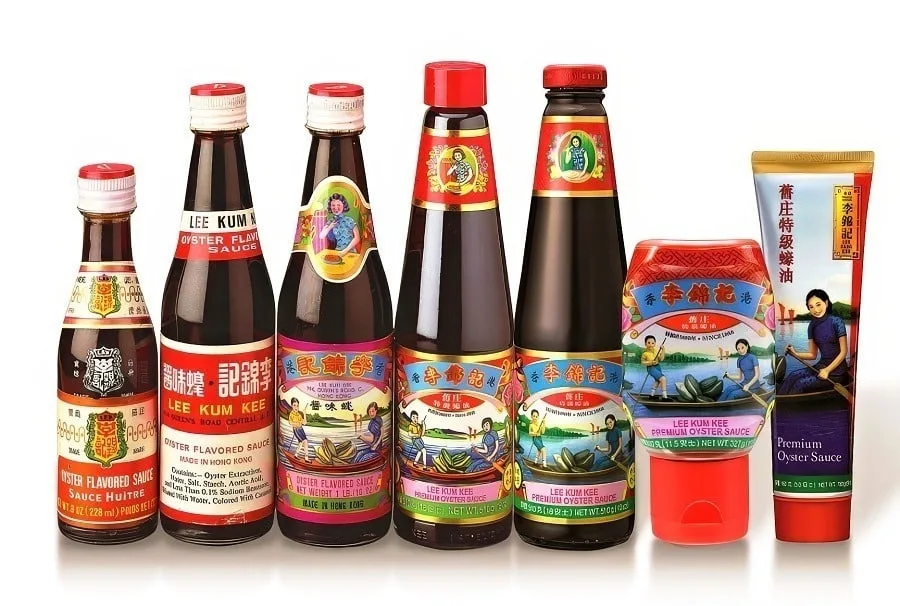
The story of oyster sauce began in 1888 in a small fishing village in Guangdong province. Lee Kum Sheung, who ran a small food stall selling cooked oysters, was making an oyster broth – a popular way to use the plentiful oysters from local waters. One day, the story goes, he left the pot on the fire longer than he meant to, and the result was an unexpected transformation: the broth had reduced into a thick, dark sauce with an intense flavor. What others might have seen as a disaster, Lee recognized as a new culinary discovery. And so the first oyster sauce was born.
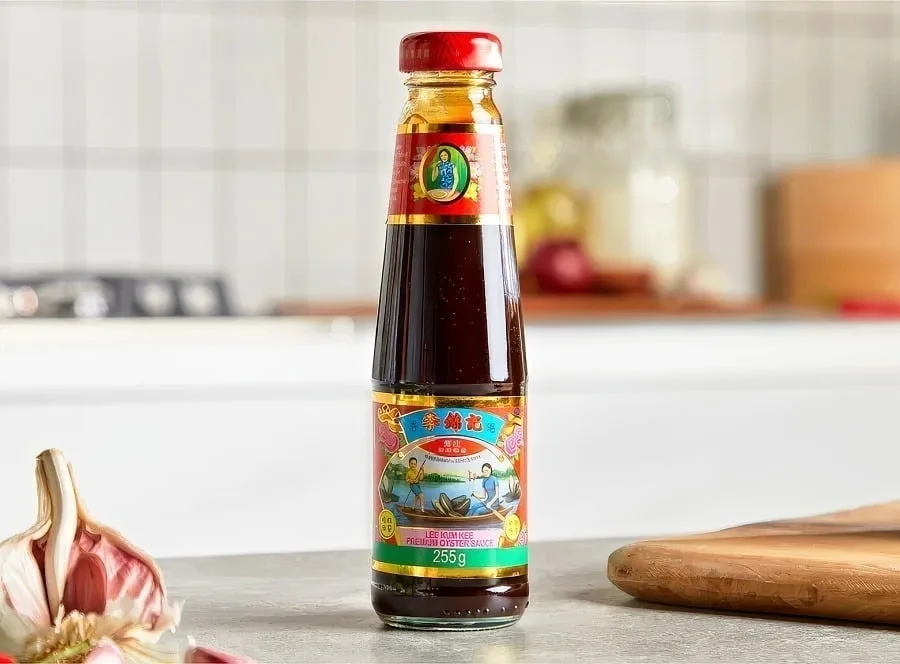
Lee Kum Sheung didn’t just keep his discovery – he started producing it commercially under the name Lee Kum Kee, which has become one of the biggest oyster sauce producers in the world. Remarkably, the brand is still going strong, combining more than 130 years of tradition with modern food trends.
What Makes Oyster Sauce So Special?
Oyster sauce is a perfect example of umami – the fifth basic taste, first scientifically described by the Japanese chemist Kikunae Ikeda in 1908. Umami roughly translates as “savory deliciousness” and is linked to glutamates, which occur naturally in oysters. This taste boosts the other flavors in a dish and gives it fullness and depth.
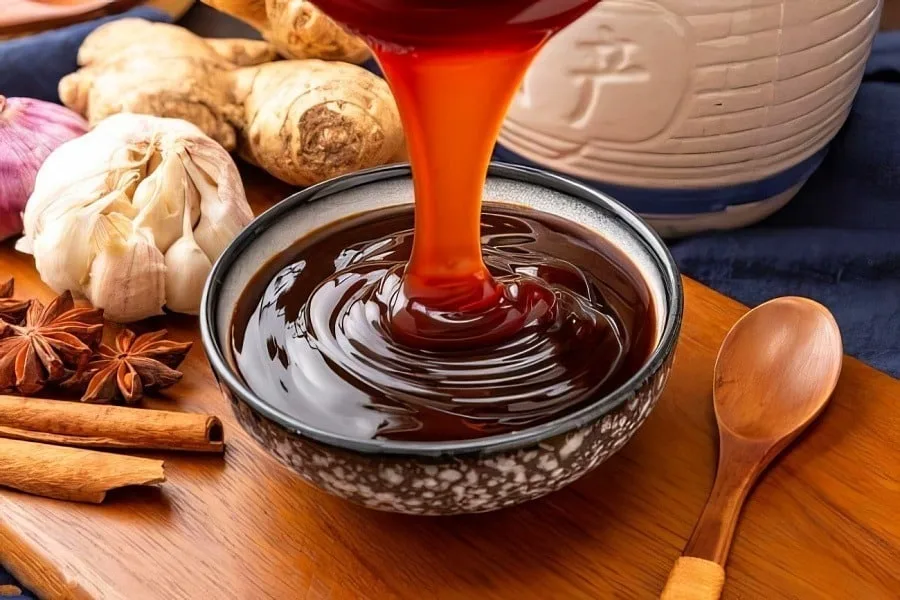
Oyster sauce has a few defining characteristics:
- Color and texture: Thick, dark brown to almost black, with a velvety consistency.
- Aroma: Gentle, slightly briny, with caramel notes.
- Flavor: A balanced combination of salty, sweet and umami that never overpowers the other flavors but rather enhances them.
From Traditional Methods to Commercial Production
Traditionally, making oyster sauce was slow and labor-intensive. Fresh oysters were simmered for hours until they released their essence, which was then reduced into a thick concentrate. The method took not only a lot of time but also a huge amount of oysters, which made the original sauce a luxury.


The modern commercial process is faster and more efficient. While some premium brands still use a high proportion of real oyster extract, most everyday oyster sauces combine a smaller amount of oyster concentrate with soy sauce, sugar, salt and thickeners such as cornstarch. Some also contain caramel color for a darker look. When shopping, check the label: the higher oyster extract appears on the ingredients list, the better.
Oyster Sauce and Chinese Culture
In Chinese culture, oyster sauce means more than flavor. Oysters have long been seen as a symbol of abundance and prosperity, so adding oyster sauce to a dish was thought to bring wealth and good fortune to the household. And Cantonese cooking, where oyster sauce was born, prizes harmony of flavors – a philosophy oyster sauce embodies perfectly.
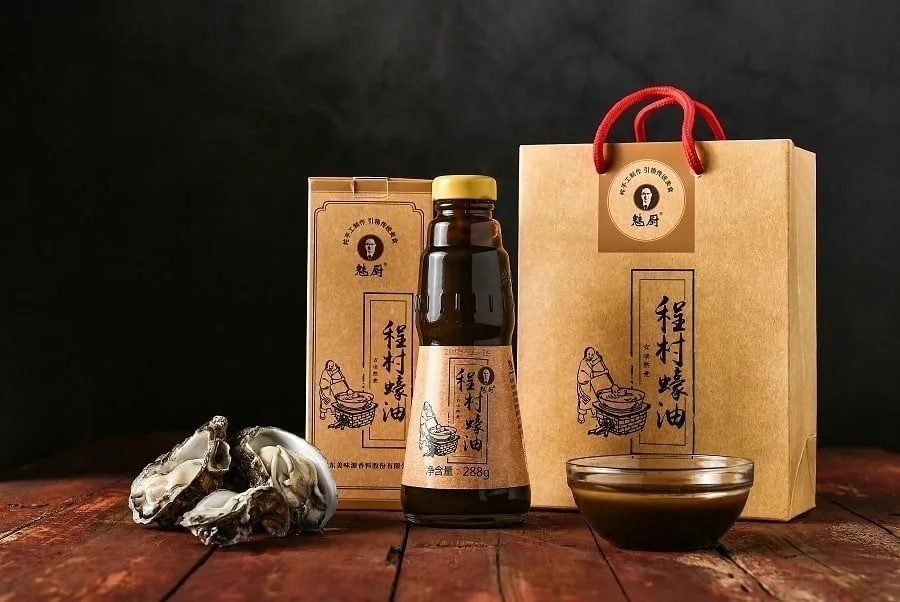
Thanks to its versatility, the sauce quickly spread to other regions of China and to neighboring countries such as Thailand, Vietnam and the Philippines. Today it plays a key role not only in Asian cooking but in dishes all over the world.
How to Use It: Every Cook’s Essential Tool
Oyster sauce is like a magic wand for any cook. A spoonful is enough to turn something as simple as stir-fried vegetables into a balanced, delicious dish. Its versatility and ease of use make it ideal for both professional kitchens and home cooking.
Classic Uses
In Cantonese cooking, oyster sauce is the backbone of many famous dishes:
- Beef and broccoli: Juicy beef and crisp vegetables brought together by a rich sauce.
- Chow mein: A favorite dish of wheat noodles stir-fried with chicken, shrimp or vegetables, where oyster sauce ties all the ingredients together into a harmonious, intense whole.
- Bok choy with oyster sauce: A minimalist but unforgettable dish, where the sauce gives the greens depth.
Unusual Pairings
Interestingly, oyster sauce has found its way into Western kitchens too. Some cooks add it to pasta sauces or even burgers to boost the savory flavor.
Modern Trends and Vegan Alternatives
With the rise of plant-based cooking, vegan alternatives to oyster sauce have appeared, made with shiitake mushrooms or other umami-rich ingredients. These offer a similar flavor without any animal products, and they’re growing in popularity not only among vegans but among anyone looking for new flavors. Look for “vegetarian stir-fry sauce” or “mushroom oyster sauce” at Asian grocery stores.
Oyster Sauce Around the World: A Global Phenomenon
Today oyster sauce is a pantry staple worldwide. In Asia it’s part of everyday cooking; in Europe and North America it has become a popular ingredient in fusion cooking, and plenty of well-known chefs use it in their recipes.
Fun Facts About Oyster Sauce
- A chef’s secret: Many cooks call it their “secret trick,” because it enriches a dish without its own flavor taking over.
- The Chinese name: The Chinese word for oyster sauce is “蚝油” (háo yóu), which literally means “oyster oil.”
- Long shelf life: Because it’s concentrated and salty, oyster sauce keeps for a long time – once opened, store it in the fridge.
Tips for Using Oyster Sauce
- Less is more: Its flavor is intense, so a small amount goes a long way.
- Balance it: Pair it with fresh ingredients such as garlic, ginger or a squeeze of lemon.
- Don’t cook it too long: The sugars in the sauce can scorch and turn bitter over high heat. Add it toward the end of cooking.
- Experiment: Oyster sauce works in non-Chinese recipes too – in marinades for grilled meat, for example, or stirred into soups.
Oyster sauce is more than a condiment – it’s a cultural symbol and a cornerstone of many of the world’s cuisines. Its rich history and many uses show that something seemingly simple can have a big impact on how we cook and eat. Whether you’re a seasoned chef or an enthusiastic home cook, keep a bottle of oyster sauce on hand – you never know when it might transform your dinner.