
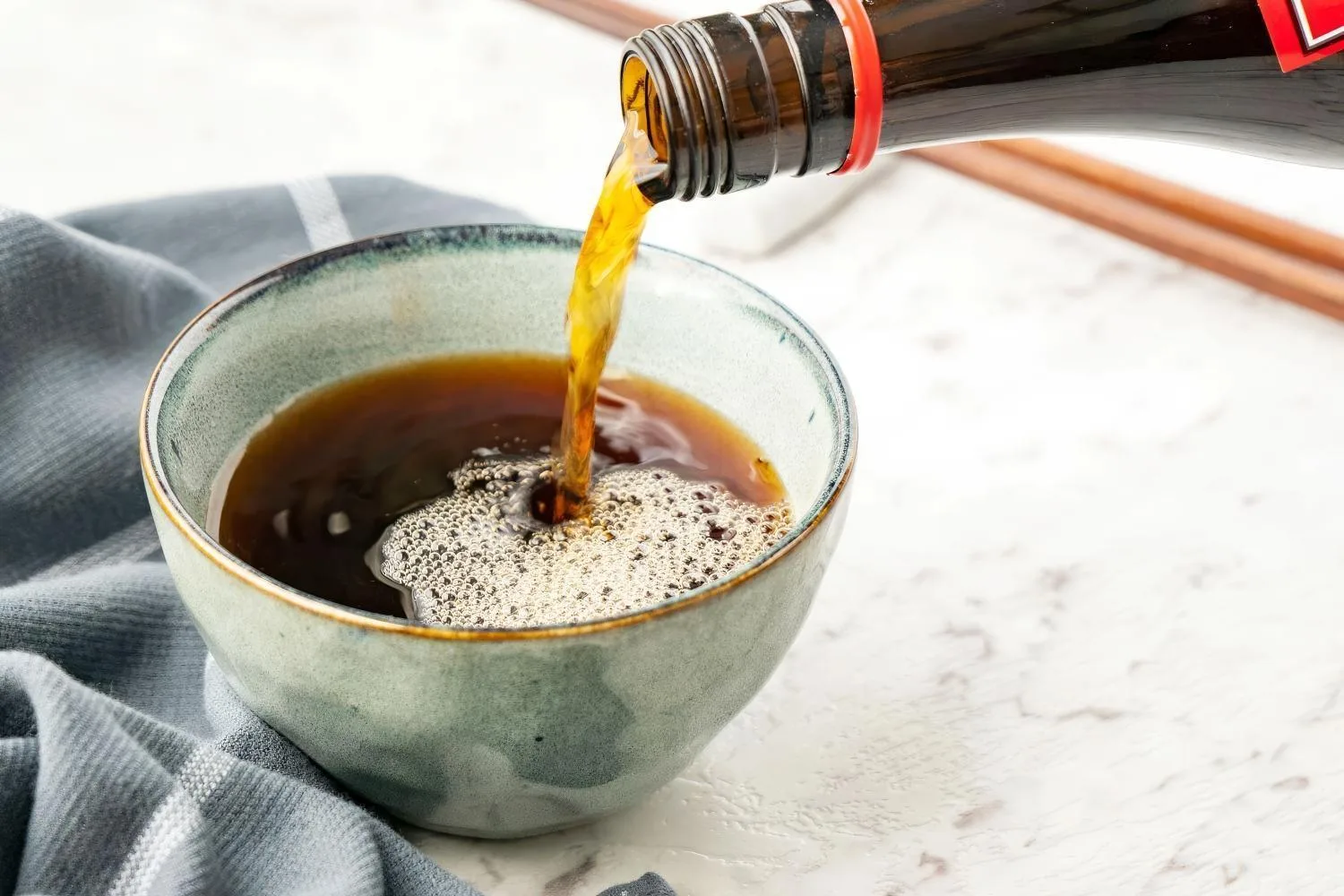
Ever wondered why your homemade Chinese food doesn’t taste like what you get at a restaurant? One important missing ingredient could well be Shaoxing rice wine.
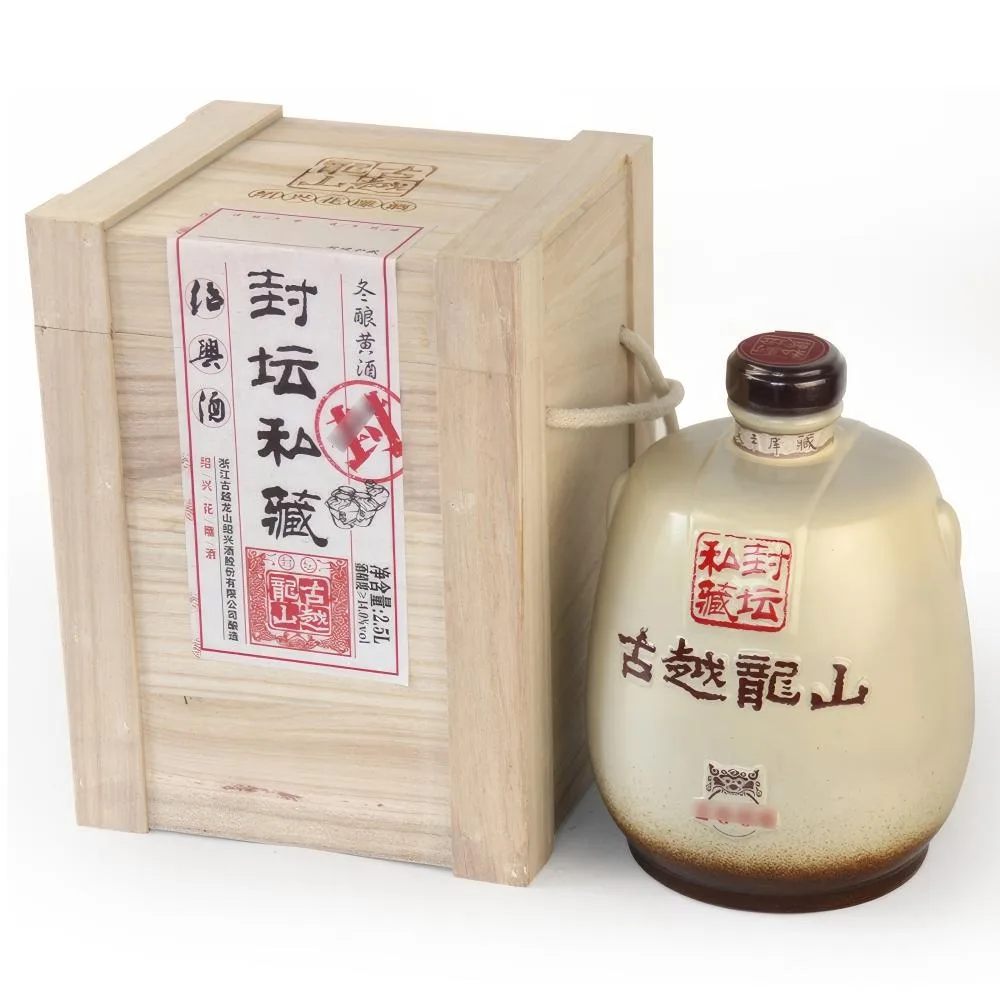
Shaoxing wine, or shàoxīng jiǔ (绍兴酒), is a type of Chinese rice wine from the city of Shaoxing in Zhejiang province. It’s a key ingredient in countless dishes and gives them a characteristic earthy depth that’s hard to replace.
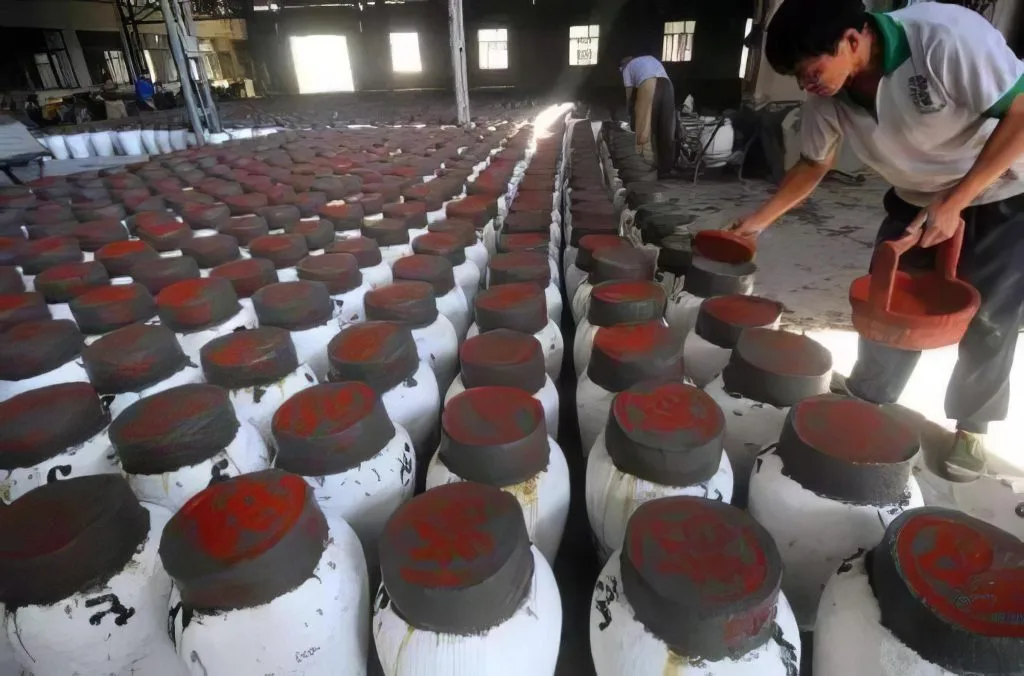
Records of it go back more than 2,500 years, making Shaoxing wine one of the oldest types of rice wine in China. It’s made by fermenting rice and water with a small amount of wheat (so it isn’t gluten-free). It’s clear rather than cloudy.
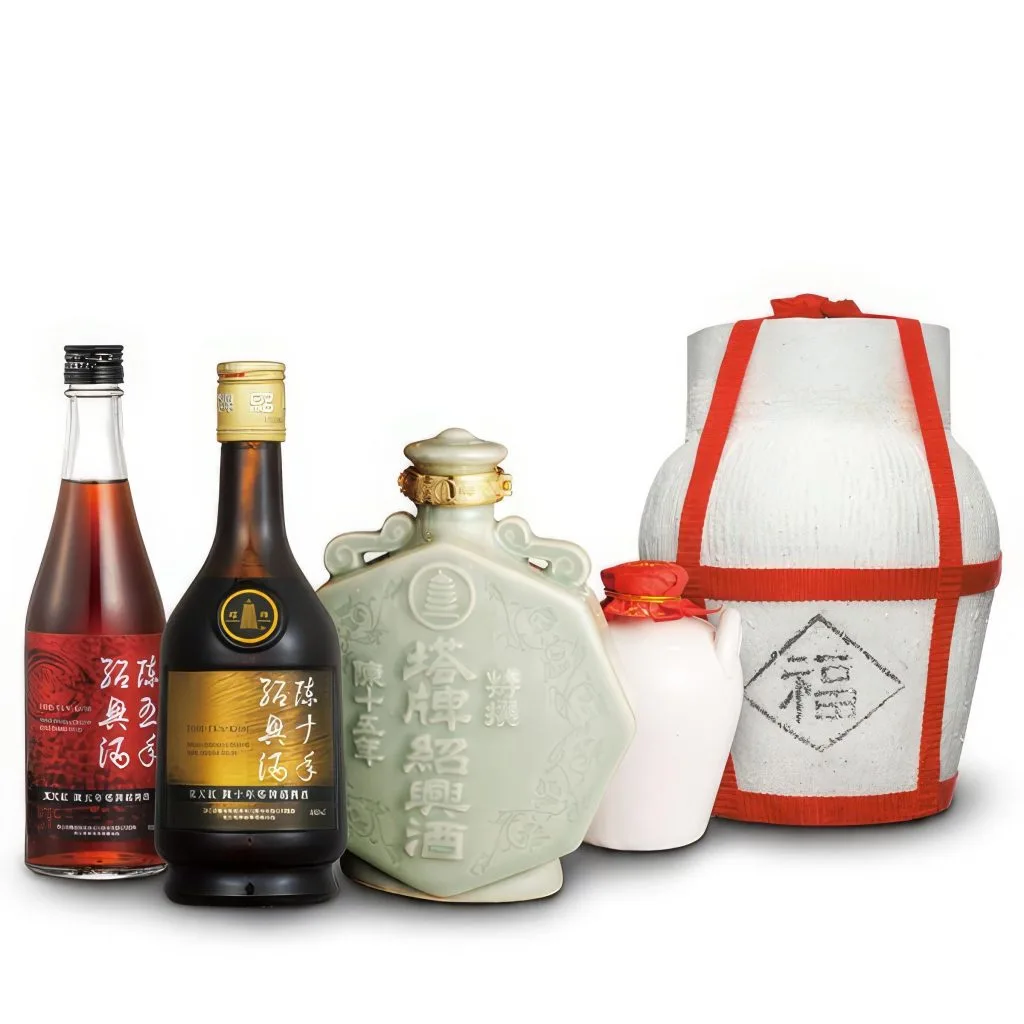
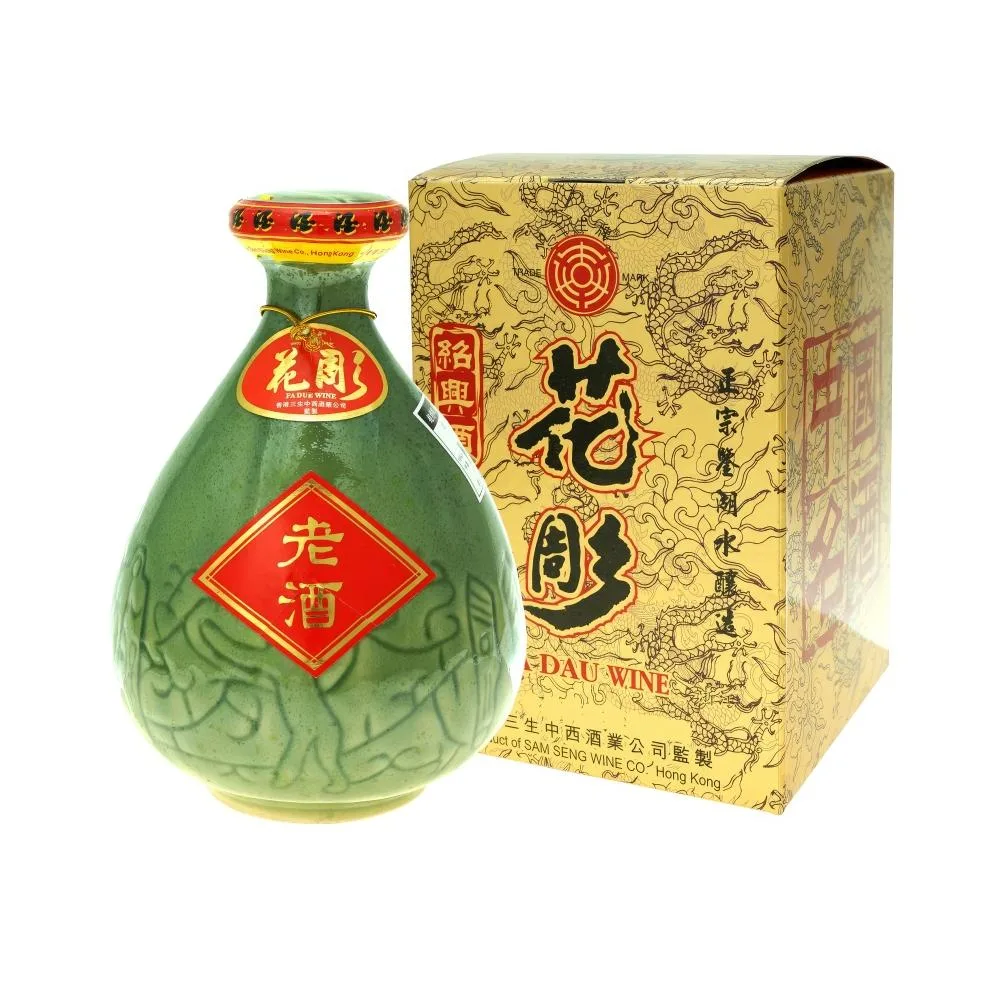
Aged Shaoxing wine is also drunk on its own, usually served warm. For cooking, a lower-grade Shaoxing wine is used.
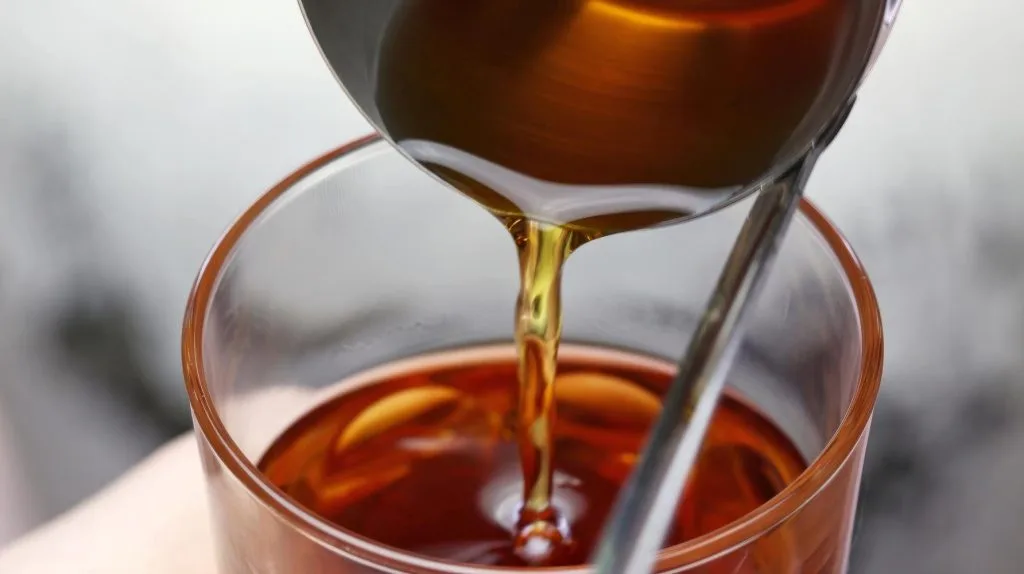
This amber-colored rice wine differs from clear rice wine for cooking, or mǐjiǔ (米酒), in having a more complex, deeper flavor.
Types of Shaoxing Wine
Shaoxing wine is sometimes called huadiao wine (huādiāo jiǔ, 花雕酒), which means “carved flower wine.” The name refers to the floral patterns carved into the clay jars once used to store and age it. You may also see it spelled “hua tiao chiew.”
You may also come across the name Chia Fan (jiā fàn jiǔ, 加饭酒), a wine similar to huadiao. More rice is added during brewing – hence the name, which literally means “add rice.” There are other alternative spellings too, including “Shao Xing” and “Shaohsing.”
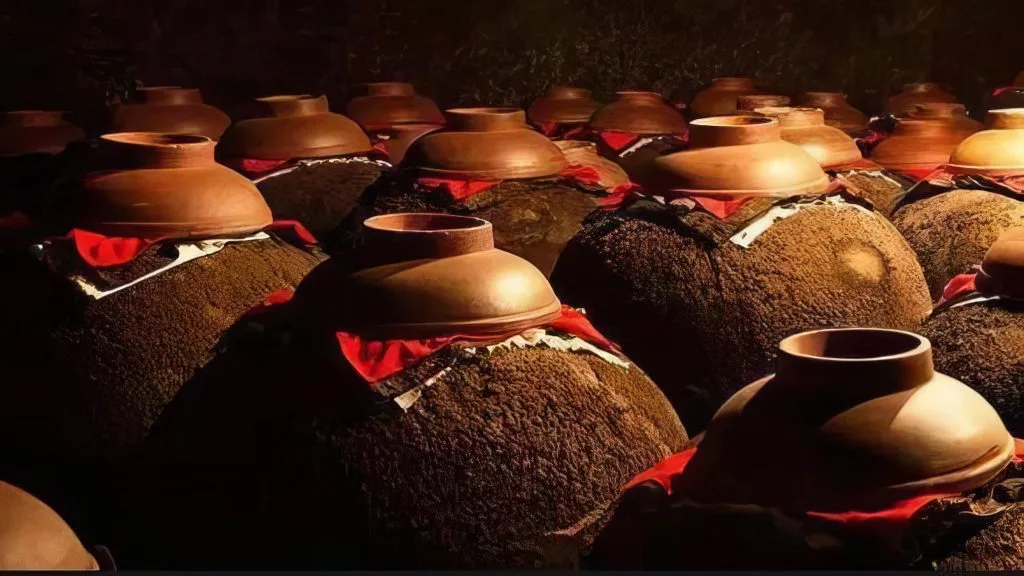
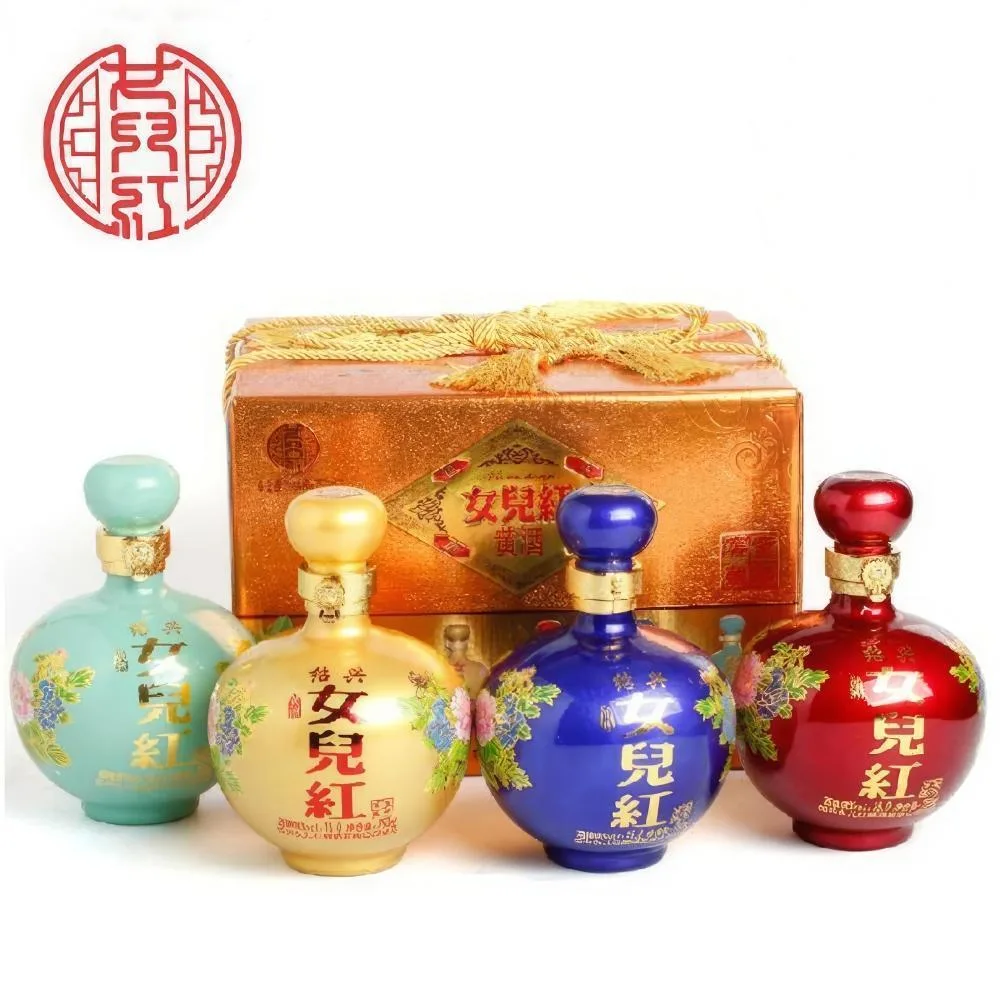
Shaoxing wine is fascinating and steeped in history. One of its varieties is called nǚ’ér hóng (女儿红), “daughter’s red.” Red is a symbol of good fortune in Chinese culture, which gives this festive drink even more meaning. Traditionally, families in Shaoxing would brew a batch of wine when a daughter was born and bury the jars in the ground until her wedding day. Then the wine was dug up and drunk at the celebration as a symbol of family tradition and happiness.
How to Use It
Just as wine does in Western cooking, Shaoxing wine adds depth and complexity of flavor. Use it in meat marinades, to season wonton and dumpling fillings, to deglaze the wok, and to flavor stir-fries, sauces and braises. You’ll find it in the vast majority of Chinese recipes.
Braises use it in larger quantities, while a marinade or stir-fry usually contains just a tablespoon or two. It’s also the star of the traditional cold appetizer aptly named drunken chicken (醉鸡), in which the chicken is poached and then soaked in a brine of Shaoxing wine and spices. The same method works for seafood such as shrimp and crab.
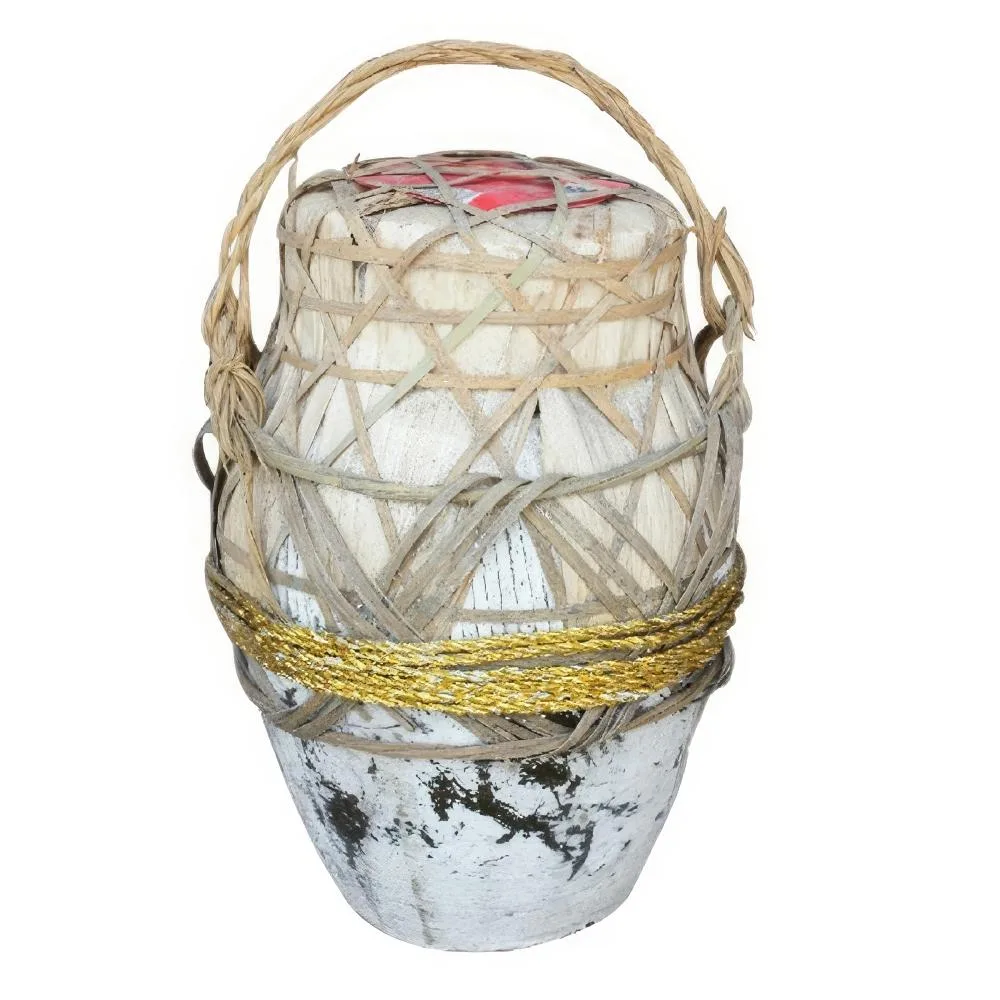
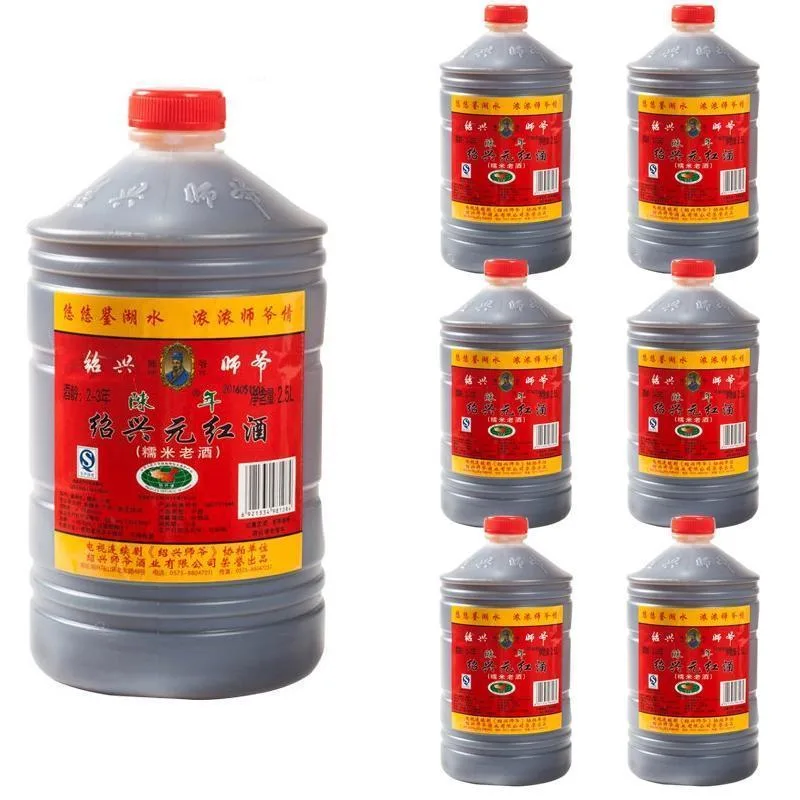
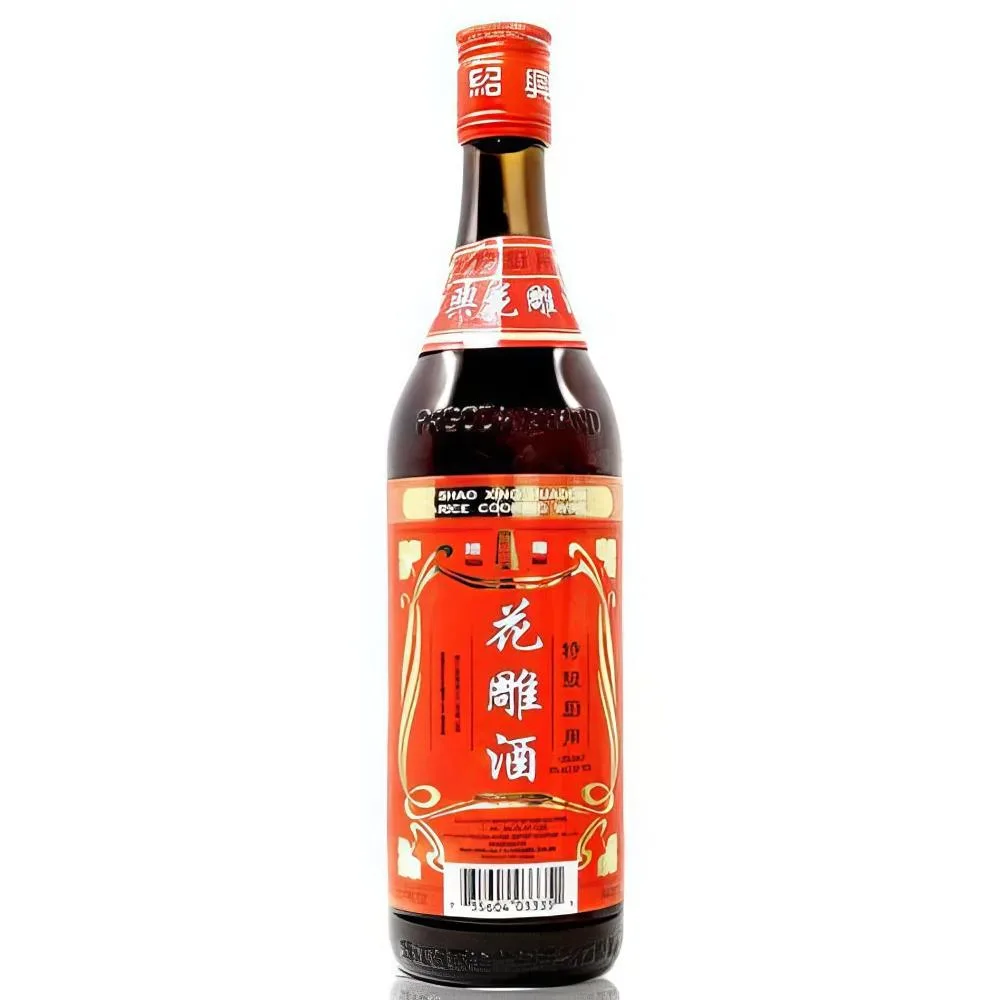
You’ll find Shaoxing wine in almost any Asian grocery store, and there are quite a few brands to choose from.
Storage and Substitutes
An opened bottle keeps for up to 6 months in the pantry; if you don’t use it often, store it in the fridge to make it last longer. But if you plan to cook Chinese food regularly, we strongly recommend picking up a bottle at your nearest Asian grocery store – you’ll use it in most dishes.
If you really can’t find Shaoxing wine, or need a quick substitute, use dry sherry, which is easy to find in any supermarket. Any other Chinese rice wine works too. In small amounts, you can also use Japanese or Korean rice wines such as sake or cheongju. In a pinch, mirin will do, though the dish won’t taste quite right – and leave out any sugar in the recipe, because mirin is much sweeter than Shaoxing wine.
Alcohol Content
Shaoxing wine typically contains around 14–18% alcohol. Most of it cooks off during high-heat stir-frying or long braising. If you avoid alcohol for health, religious or personal reasons, you can use a non-alcoholic alternative such as chicken, mushroom or vegetable stock. Non-alcoholic beer or non-alcoholic white wine are also worth a try.
In recipes that call for less than a tablespoon of Shaoxing wine, you can simply leave it out.