
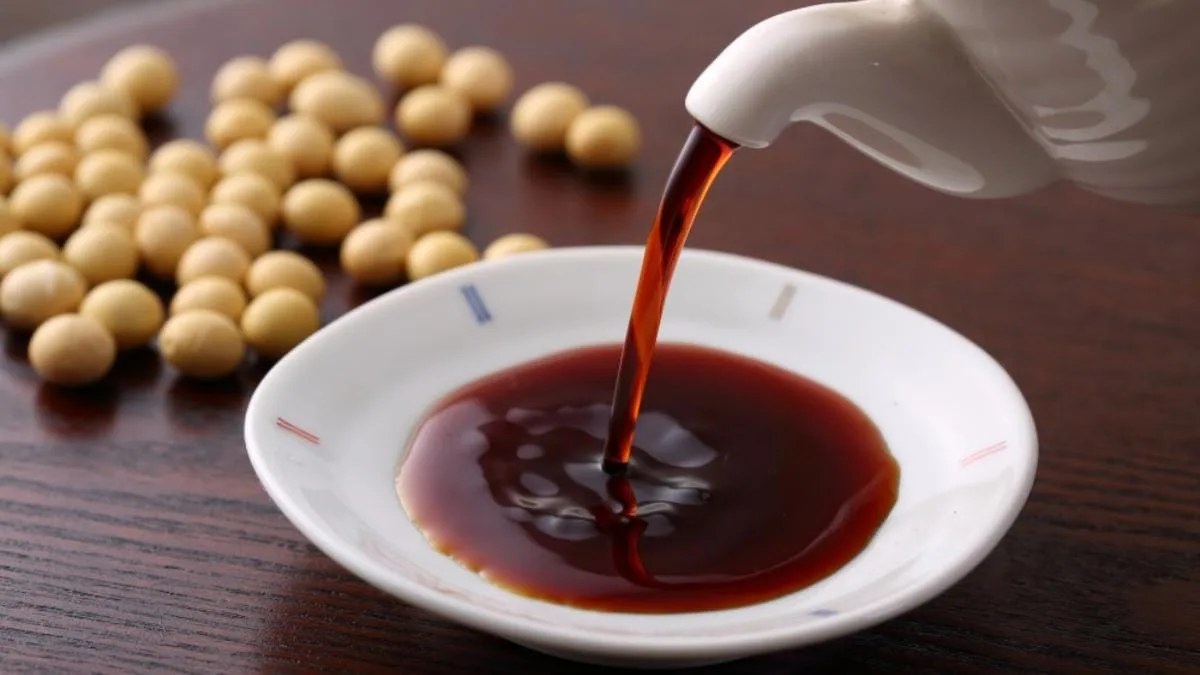
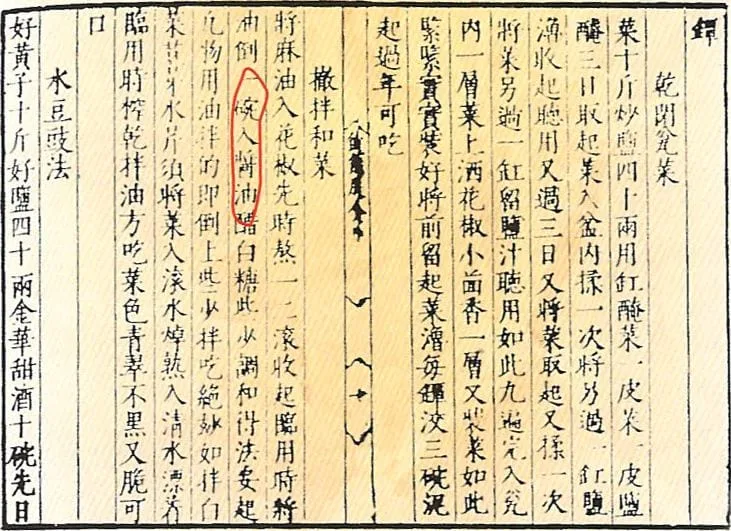
Around three thousand years ago, during the Shang and Zhou dynasties, various fermented sauces appeared in China, some of them made from soybeans. In ancient times, the liquid drawn off these fermented pastes was simply called “sauce juice.” The name 酱油 (jiàngyóu) – the term used for soy sauce today – came into use much later.
Contents:
How Soy Sauce Is Made
Soy sauce production varies from region to region and can take anywhere from 30 days to many months or even years. Soybeans or defatted soy flour are soaked in water and then cooked in large vessels. The cooking time, temperature and pressure all affect the final product. Defatted soy flour is cheaper and ferments much faster than whole soybeans, while whole beans – with more oil and a longer fermentation – produce a smoother, mellower and more complex flavor. Longer fermentation also increases the amount of glutamic acid, the main source of umami.
The cooked soybeans are mixed, while still warm, with roasted wheat. The ratio depends on the style of soy sauce and the recipe, and how dark the wheat is roasted has a big effect on the final flavor. Many soy sauces use wheat flour or wheat bran directly; gluten-free versions such as tamari use little or no wheat at all. In Chinese soy sauce, wheat flour or bran mainly serves to kick-start fermentation.
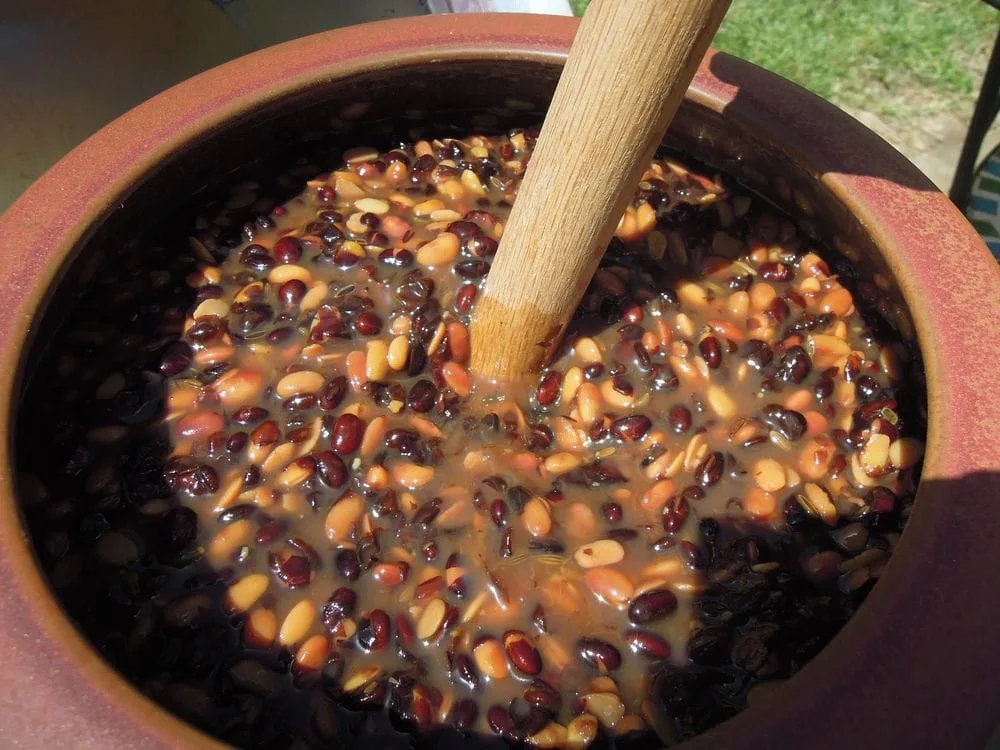
The mixture is inoculated with a starter mold, usually Aspergillus oryzae, and incubated in large perforated trays through which air circulates to keep the temperature and humidity just right. After some time, the mold covers the whole mass, which turns green as it produces spores. Incubation takes from one to seven days. The moldy soybean mass – called “koji” in Japanese – is rich in the enzymes needed to break down the starches, proteins and oils in the beans and grain.
Fermentation
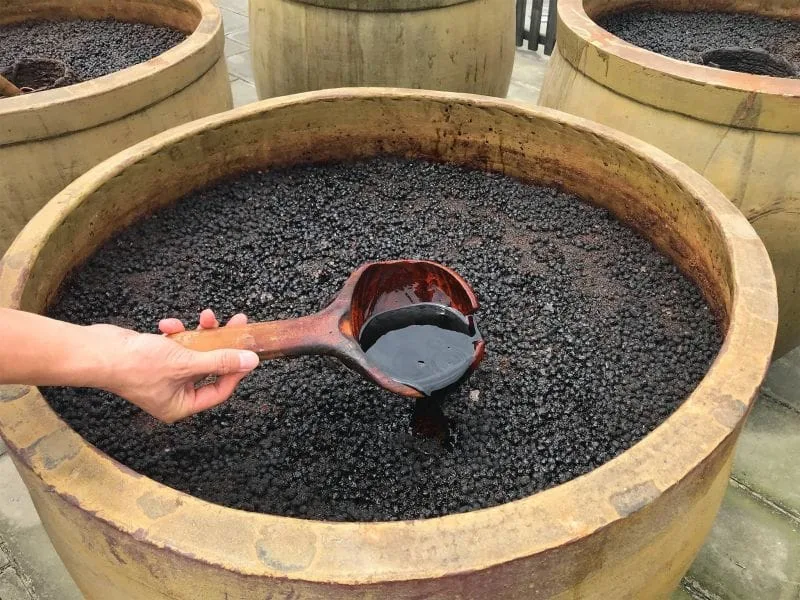
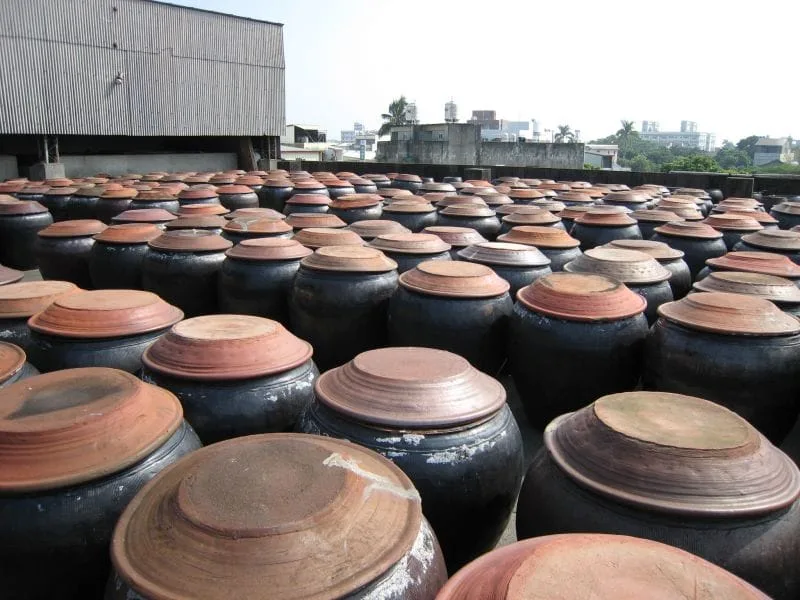
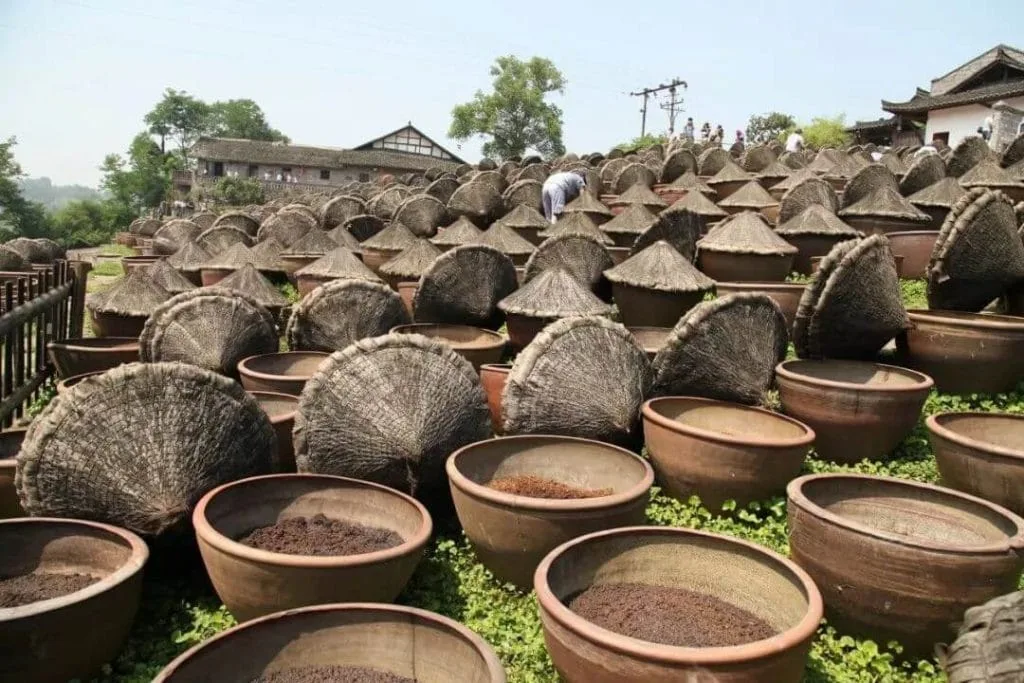
The koji is moved to fermentation tanks, where it’s mixed with brine for wet fermentation or with coarse salt for dry fermentation. Enzymes from the mold gradually break proteins down into amino acids (including glutamic acid), starches into sugars and oils into fatty acids. Some of the sugars are further fermented into lactic acid and alcohol. Lactic acid bacteria and yeast cultures may be added to help fermentation along. Traditionally, the resulting mash was left to ferment naturally in large vats in the sun.
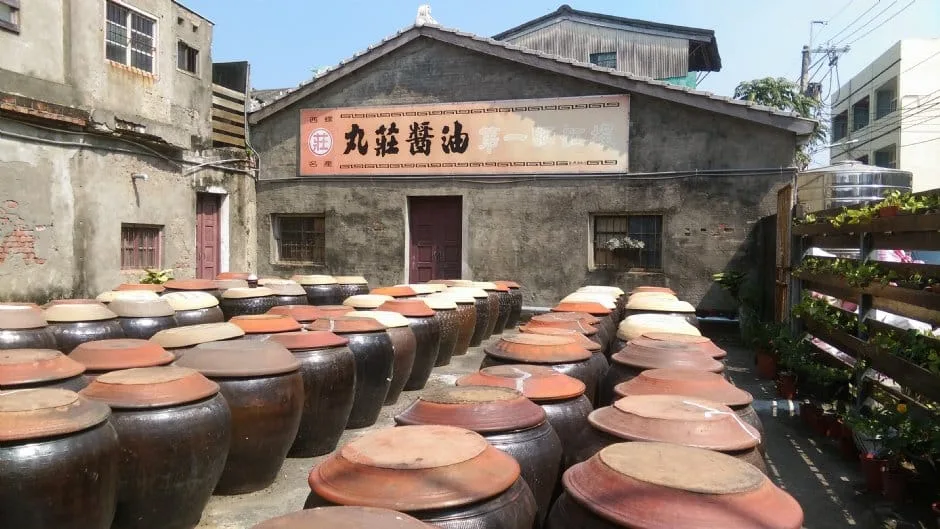
Today, soy sauce production has been modernized. The mash is transferred to incubation tanks with controlled temperature and humidity. This fermentation, which lasts from 30 days to several months – in some cases several years – creates more than 300 different flavor compounds that make up the flavor profile of soy sauce. After fermentation, the raw soy sauce is drained or pressed from the fermented mash. It’s then heated – not only to add another layer of flavor by encouraging reactions between amino acids and sugars, but also to stop fermentation. After pasteurization at high temperature, the soy sauce is ready for bottling.
How Salty Is Soy Sauce?
Salt is added at the start of fermentation, at roughly 12–18% of the weight of the finished product. It helps create the right chemical environment for proper fermentation, and the high salt concentration is also essential to protect the finished product from spoiling, unless extra sugar or alcohol is added.
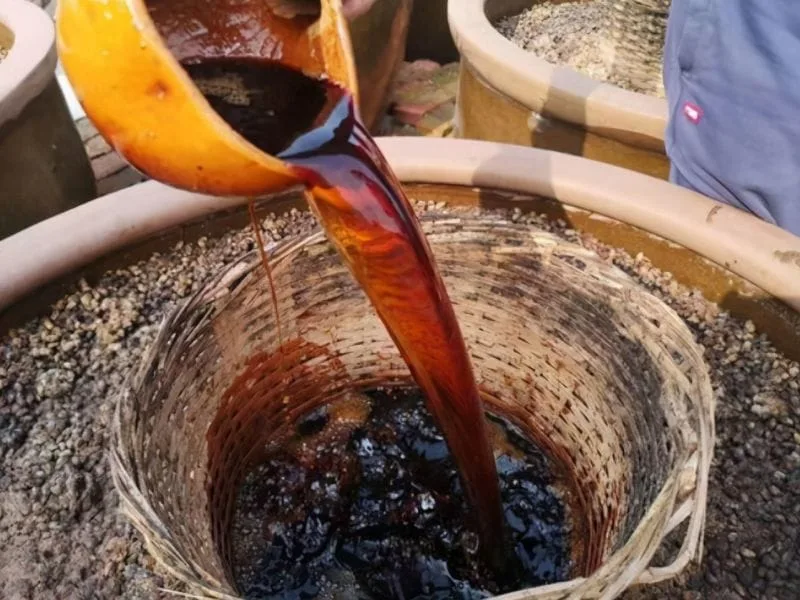
In artisanal production, soy sauce is drawn from the fermented mash by placing a woven bamboo cylinder in the center of the fermentation vat; the raw soy sauce collects inside and is drawn off over a period of time.
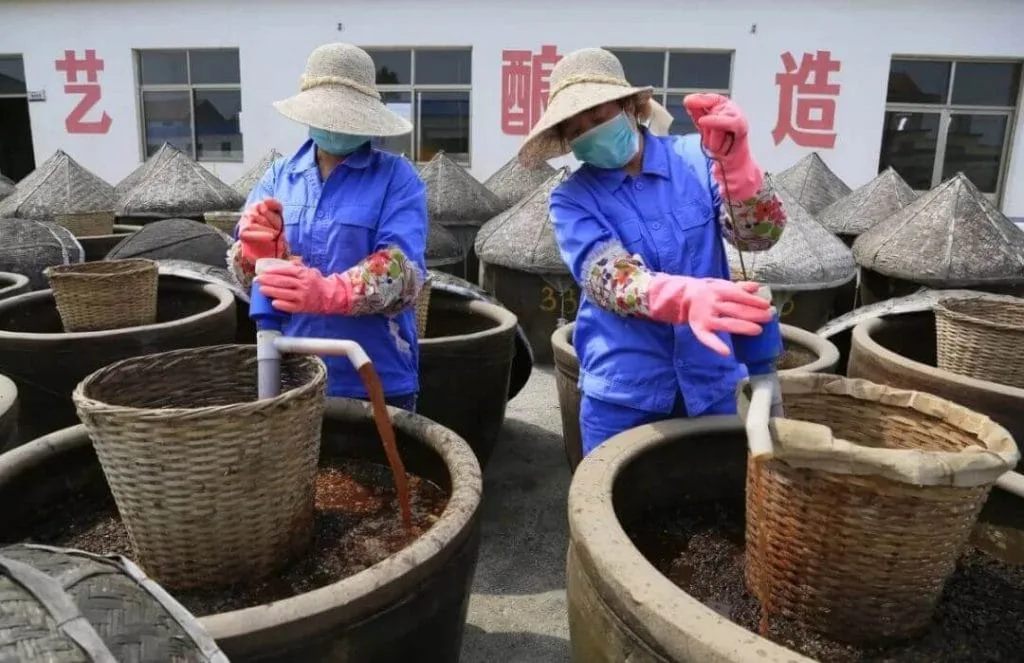
After the first extraction, salt and water are added to the vat to restart fermentation, and after a while a second extraction is made.
Soy Sauce Grades
The first extraction is the highest quality and is labeled “Premium” (特级) or “Touchou” (头抽, “first draw”). The second extraction is called “Gold Label” (金标). The third can be bottled as “Silver Label” (银标), used to make dark soy sauce, or recycled as brine for a new batch.
Soy sauce is part of the traditional cooking of many Asian cultures. Despite looking fairly similar, soy sauces made in different cultures and regions vary widely in flavor, consistency and saltiness. There are literally hundreds of kinds, falling into several categories that result from different production methods, fermentation times, ingredient ratios and added ingredients.