
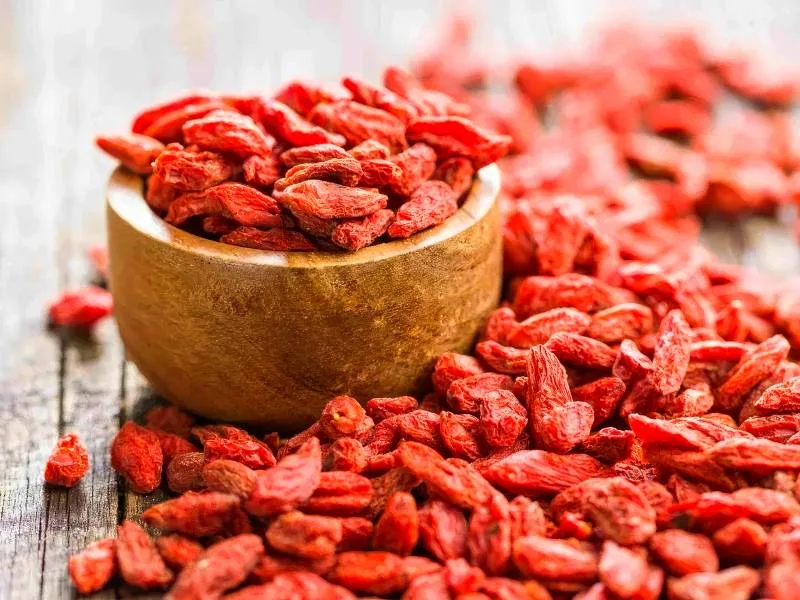
The red berries of the Chinese wolfberry (Lycium chinense) and its close relative Lycium barbarum, better known as goji berries or wolfberries, are packed with active compounds. They’re also valuable from a nutritional point of view, containing minerals, vitamins, amino acids, trace elements and polysaccharides. It’s no surprise they’re often sold as a “superfood” – although, as with most superfoods, many of the health claims made about them go well beyond what research has actually shown.
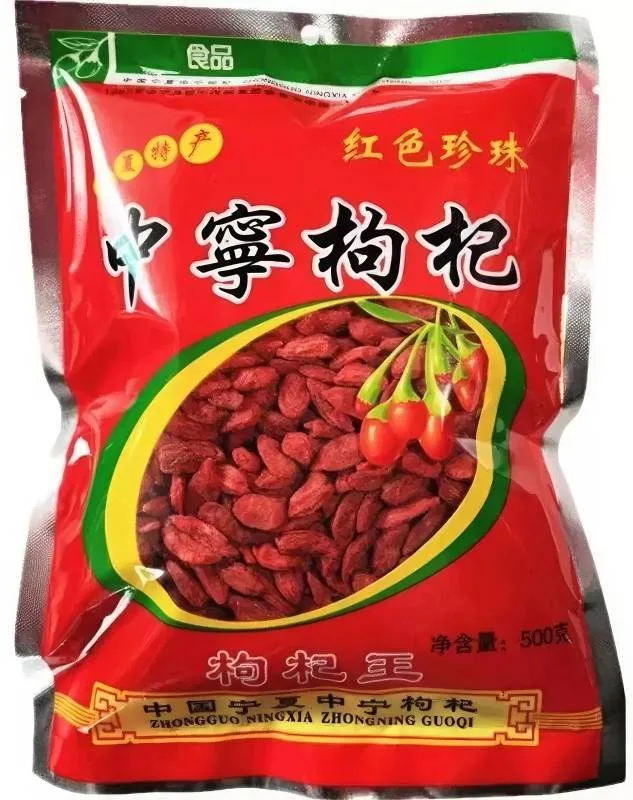

In traditional Chinese medicine, goji berries are considered a “key to longevity,” and they’ve been used in China for many centuries. They’re taken mainly as a dietary supplement or brewed as a tea, but in the kitchen they also turn up in soups, braises and congee, where they add a gentle sweetness and a pop of color. Besides the berries, the leaves, root bark and roots of the plant are used as well.
While Lycium barbarum grows mainly in northern China – the Ningxia region is the most famous source – Lycium chinense is more common in the south. Goji berries are best known from Chinese folk medicine, but they’re also well established in neighboring Asian countries such as Vietnam, Japan and Korea, where you’ll also find the leaves, flowers, bark and roots being used.
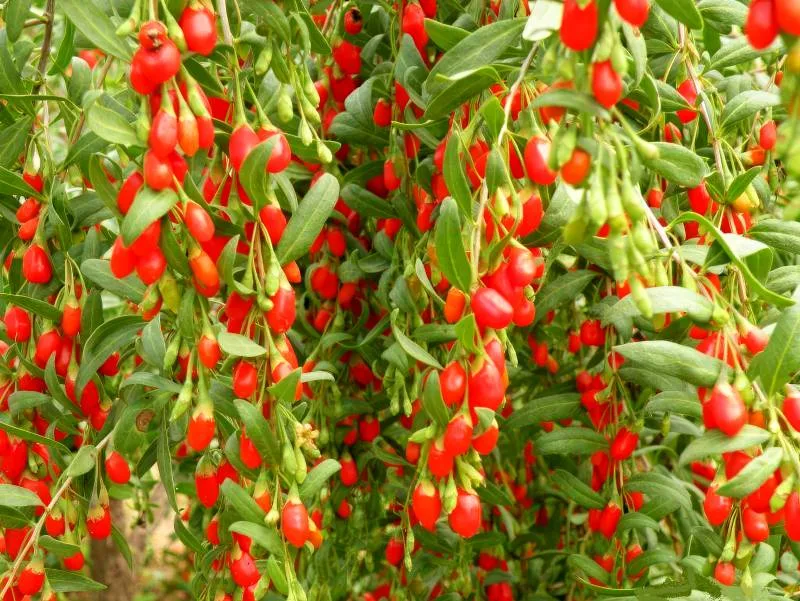
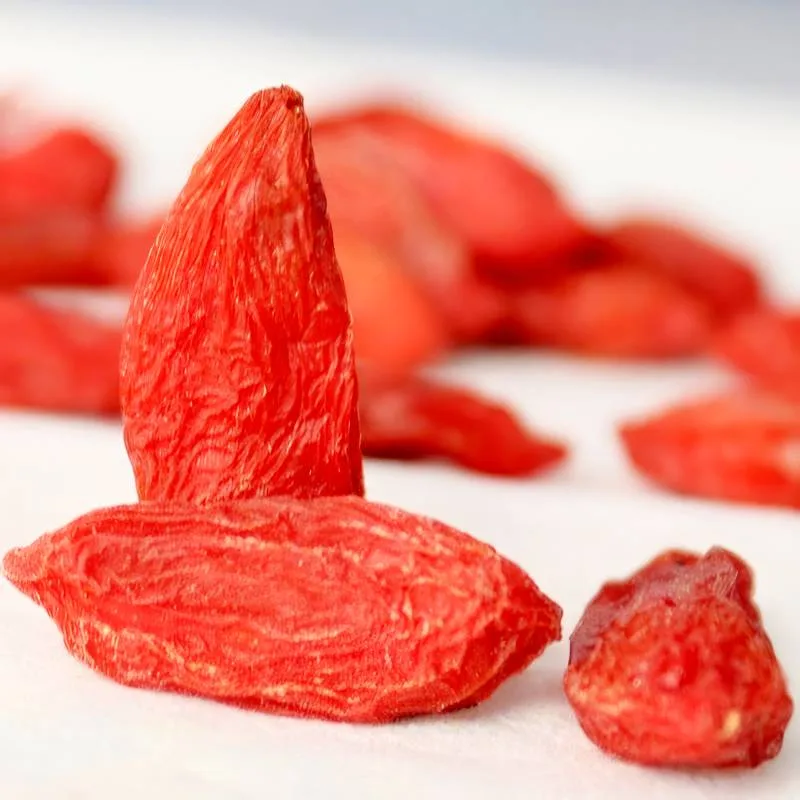
The Chinese wolfberry is native to a wide area of Asia, from Pakistan and Nepal through China and Mongolia to Thailand, Japan and Korea. It’s also grown in Vietnam, on Java and in Hawaii.
Most goji sold in stores is labeled as Chinese wolfberry, but that’s usually not quite accurate. The bulk of the goji grown in China and exported abroad is Lycium barbarum, or cultivated varieties bred from it. It’s the same plant that has naturalized in warmer parts of Europe and North America, where it’s sometimes known as matrimony vine.
Tip: Look for dried goji berries that are soft, plump and evenly red. Rinse them briefly before use, and add them to soups or braises in the last 10–15 minutes so they stay plump rather than turning mushy.