
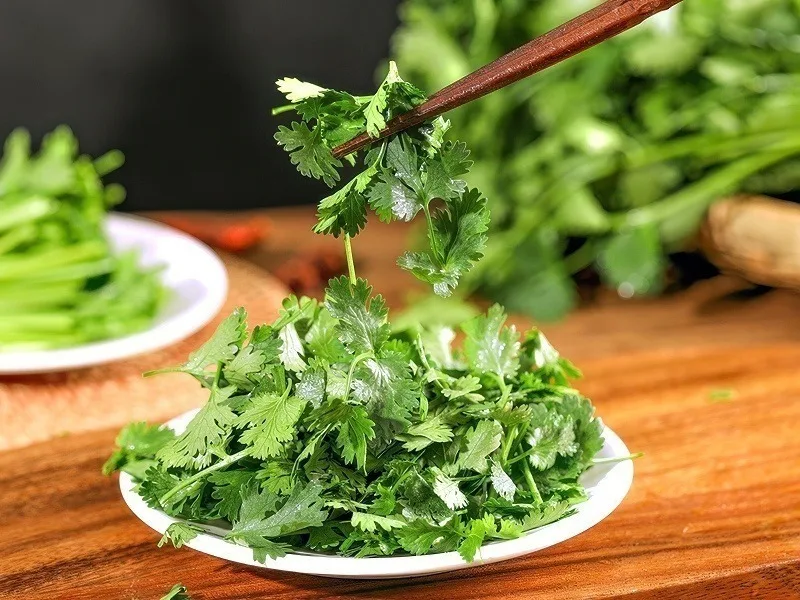
Cilantro, also known as coriander leaf or Chinese parsley, is an herb that provokes strong reactions – you either love it or can’t stand it. This aromatic herb plays an important role in kitchens around the world, especially in Asian, Mediterranean, Latin American and Middle Eastern cooking. In China, cilantro (香菜, xiāngcài – literally “fragrant vegetable”) has its place both on the plate and in traditional medicine.
Contents:
Origins and Spread of Cilantro
Cilantro originates from the eastern Mediterranean and southern Europe, and spread from there to Asia and the rest of the world. It’s one of the oldest recorded herbs and spices: it appears in the Egyptian Ebers Papyrus (around 1550 BC), and coriander seeds were found in Tutankhamun’s tomb. It reached China around two thousand years ago – traditionally credited to the Han-dynasty missions to Central Asia – and has since become a common part of Chinese cooking. It isn’t native to China, though, and older Chinese sources mention only limited use. Over time its importance grew, and today you’ll find it in regional dishes all over China.
Cilantro as a Plant
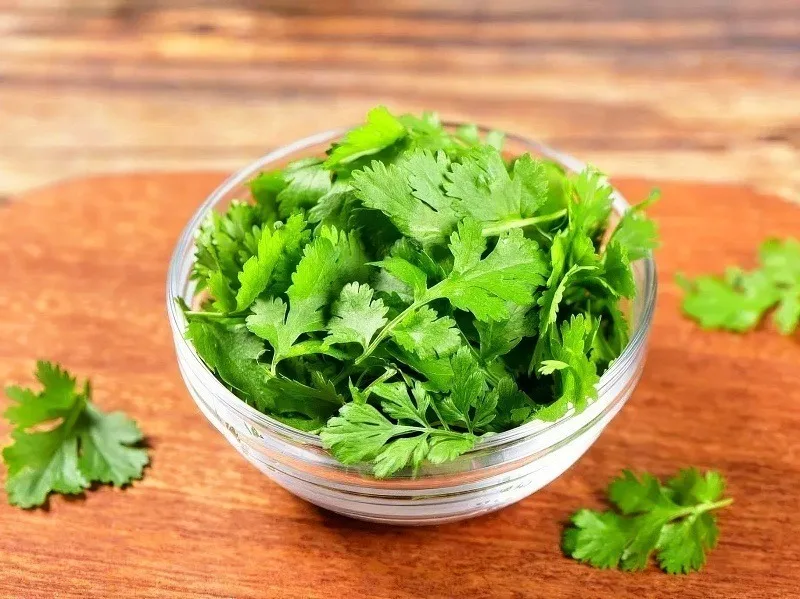
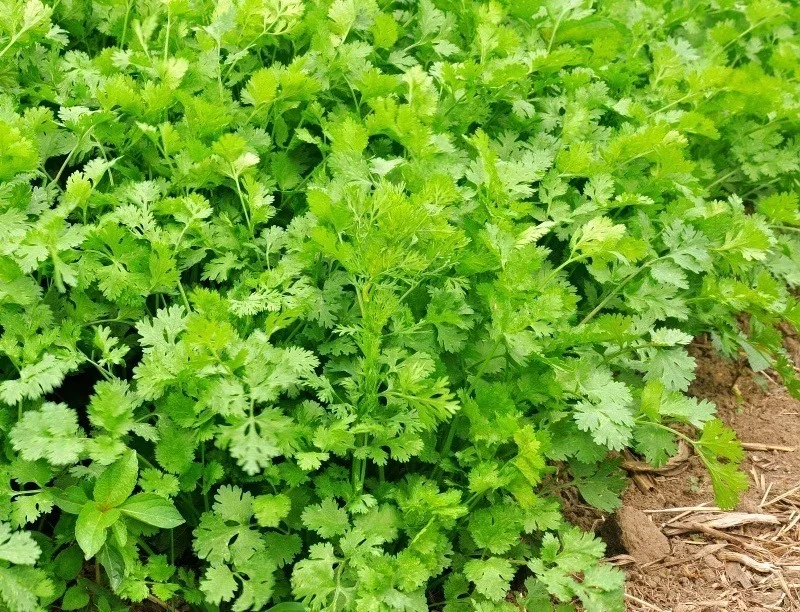
Coriander (Coriandrum sativum) is an annual herb in the carrot family (Apiaceae). Both its leaves (cilantro) and its seeds (coriander) are used, and they taste quite different. Fresh cilantro leaves have a distinctive flavor that some people describe as citrusy, while others find it soapy – the reason is genetic variation in how we perceive certain aroma compounds. The seeds have a milder, slightly sweet and spicy flavor that turns nutty when toasted.
Chinese cooking mainly uses the leaves and stems, which are added to soups and noodle dishes or used to garnish finished food. The seeds are used much less often in China, mostly in spice mixes and for pickling.
Cilantro and Health
Cilantro contains antioxidants, vitamins A, C and K, and minerals such as iron and potassium. In traditional Chinese medicine, it’s considered a warming herb. It’s said to aid digestion, support circulation and help cleanse the body, and cilantro tea or broth is popular as a home remedy. It’s also believed to support qi (气) – the body’s vital energy – and to strengthen the stomach and spleen.
Cilantro in Chinese Cooking
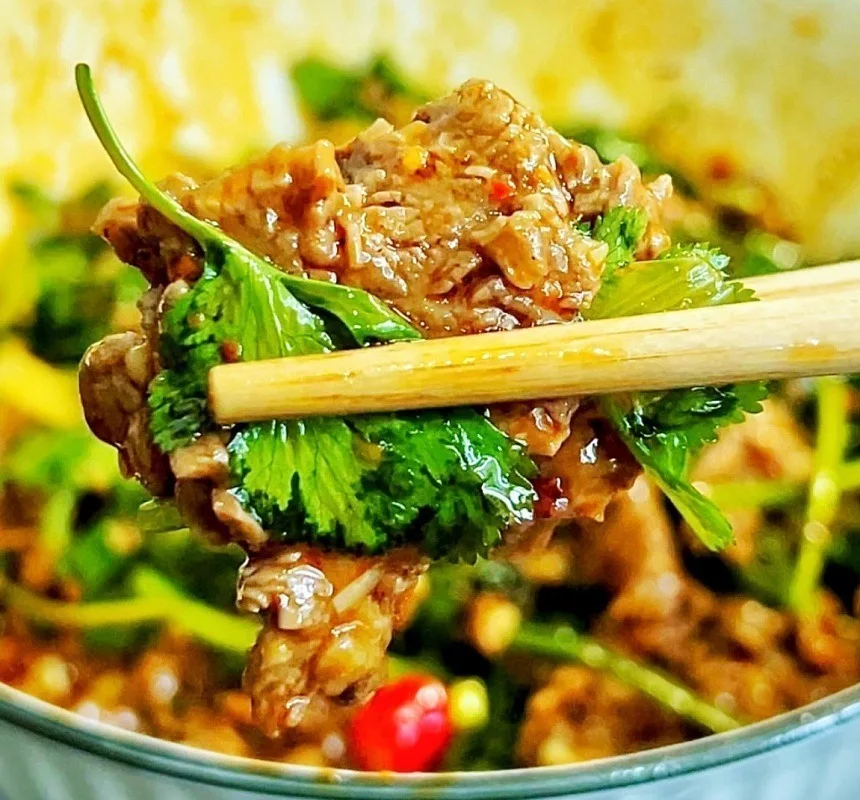
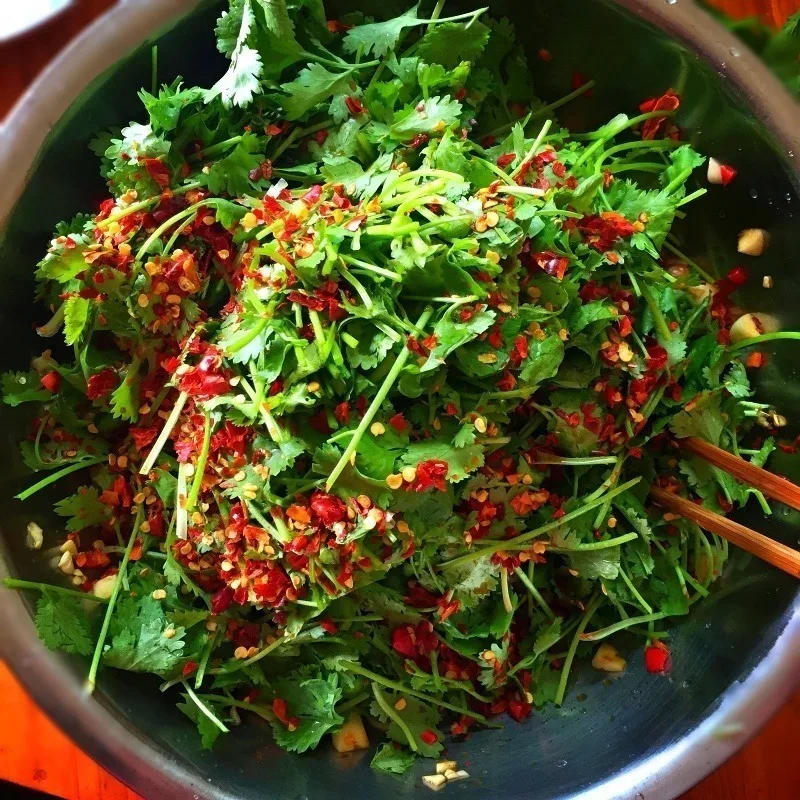
Chinese cooking uses cilantro especially in regions that favor bold flavors and lots of fresh herbs, such as Sichuan, Yunnan and the northern provinces. It’s often part of cold dishes, scattered over salads or stirred into a lightly spicy chili-garlic dressing. In Sichuan, where dishes with intense heat and numbing spice (mala, 麻辣) are loved, cilantro is a fresh garnish for soups, braises and noodle dishes. It’s added just before serving to balance the heat and the numbing effect of Sichuan pepper (huajiao, 花椒). It’s also often mixed with garlic and sesame oil into a refreshing dip for meat and noodles. In Cantonese cooking, cilantro appears mainly in soups and broths, where its freshness balances heavier, richer meat flavors.
The Symbolism of Cilantro in Chinese Culture
In Chinese culture, cilantro symbolizes freshness and energy and is associated with the idea of “clean, light flavor” (清淡, qīngdàn). This may be connected to its history as a medicinal herb meant to cleanse the body and support digestion. In some parts of China, cilantro is used in spring celebrations as a symbol of renewal, its fresh scent representing a new beginning. As with other herbs, the fresher it is, the more potent and prized it is – both in cooking and symbolically.
Growing Cilantro
Cilantro is fairly easy to grow, even at home on a windowsill. It needs plenty of light and regular watering so it doesn’t dry out. It grows best in spring or fall, when it isn’t exposed to high temperatures that make it bolt (flower quickly) and lose leaf quality. In China, cilantro is often grown on small farms and in home gardens, where it’s a favorite companion to everyday vegetables.
Cilantro in World Cuisines
Cilantro is well known and widely used in China, but its role in other cuisines is just as interesting. Indian cooking uses coriander seeds as a key part of spice blends such as garam masala, while the leaves often go into curries and chutneys. In Mexico, cilantro is an essential part of salsa, guacamole and tacos, where its fresh flavor complements spicy dishes. Its many uses across cultures show how versatile and adaptable this herb is.
Why Do Some People Hate Cilantro?
Some people dislike cilantro because of a genetic variation that makes it taste soapy or unpleasant to them. One gene linked to this effect is OR6A2, an olfactory receptor that is highly sensitive to the aldehydes found in cilantro. These compounds are also common in soaps and some cleaning products, which is why the herb can trigger a similar impression.
Studies estimate that somewhere between about 3% and 21% of people dislike cilantro, depending on ancestry. The highest rates have been reported among people of East Asian and European descent, and the lowest among people from the Middle East and Latin America – regions where cilantro is a staple. Exposure matters too: many people who grow up eating it, or simply eat it often, learn to enjoy it.
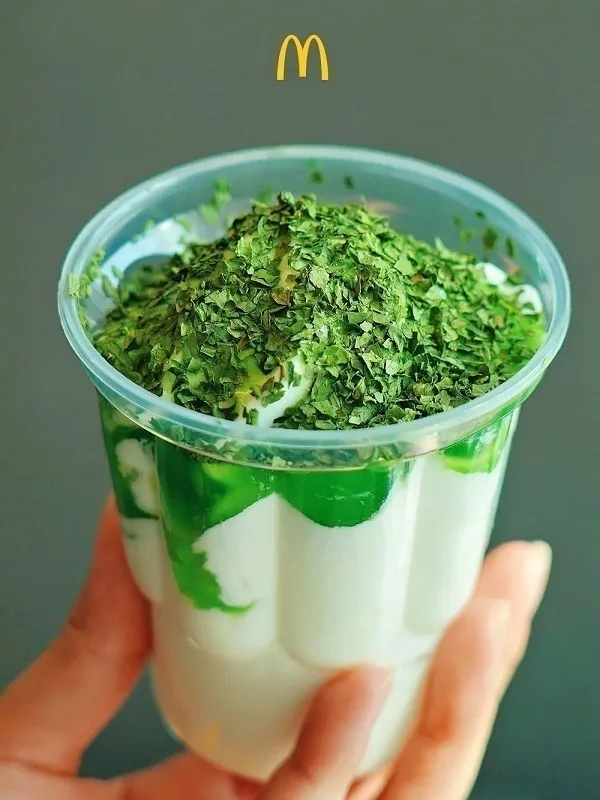
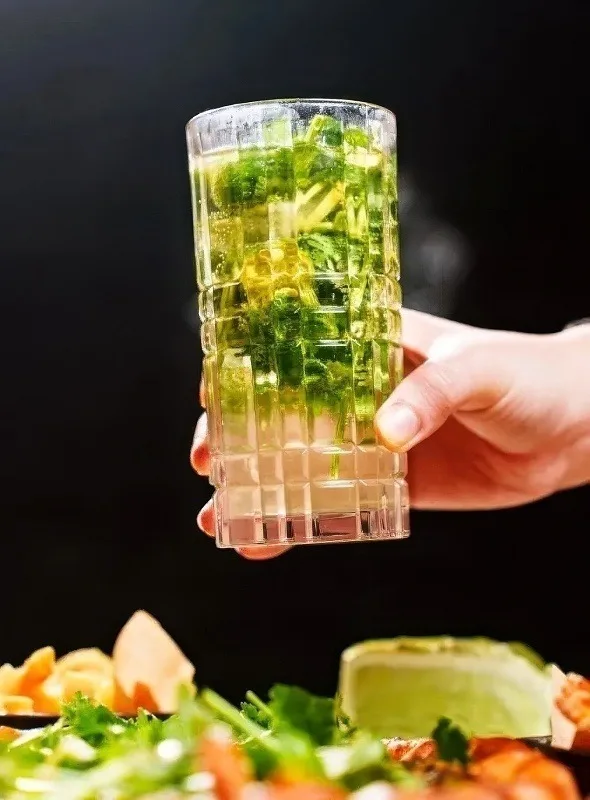
In China, cilantro lovers are so devoted that fast-food chains there have even run cilantro-themed promotions.
Fun Facts About Cilantro
- An ancient remedy: In ancient Greece, coriander was used as a remedy for digestive problems and as an ingredient in perfumes.
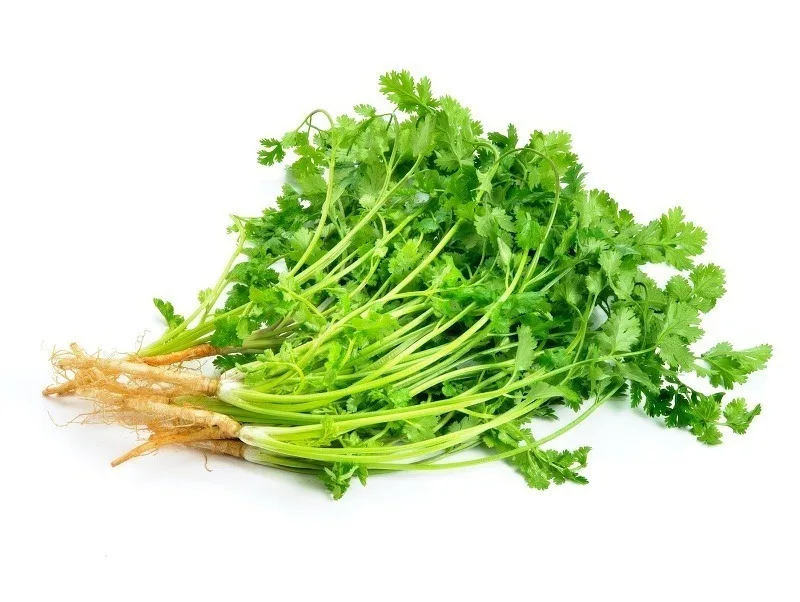
- Nothing goes to waste: The whole plant is edible – leaves, seeds, stems and even the roots, which are prized in Thai cooking for their intense flavor.
- A “cleansing” herb: In Ayurvedic and traditional Chinese medicine, cilantro is valued for its supposed detoxifying effects, especially in combination with other herbs and spices.
- Culture and legend: In folk belief in some parts of Asia, cilantro is considered an aphrodisiac, thanks to its supposedly invigorating effect on body and mind.
- Perfume and cosmetics: Coriander isn’t only used in the kitchen. Its fresh, slightly peppery scent appears in some perfumes, especially spicy and oriental ones, and coriander seed oil is used in cosmetics for its refreshing properties.

Cilantro is a fascinating plant with a rich history, a one-of-a-kind flavor and a wide range of uses – in cooking, medicine and symbolism alike. It has a firm place in Chinese cooking and keeps winning new fans around the world.