
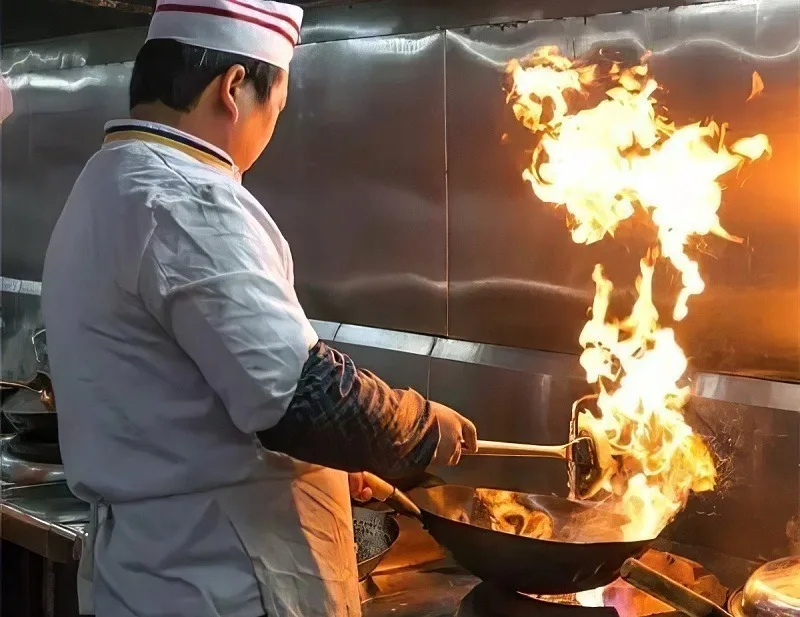
Chinese cooking techniques open up a world of flavors and methods refined over thousands of years. Each technique has its own name and purpose, and most of them aim to preserve the natural flavor and texture of the ingredients. Kung pao chicken or Peking duck are just the end result. Behind them are fundamental techniques passed down through generations in Chinese kitchens – techniques that turn ordinary ingredients into something else entirely.
Contents:
Stir-Frying (炒, chǎo)
Stir-frying is perhaps the most iconic cooking method in Chinese cuisine. Chinese cooks will tell you that real chǎo means a fierce flame, quick hands and a deep pan – ideally a wok, which heats up fast and holds heat thanks to its shape. Once the oil is hot, the magic happens: meat, vegetables and seasonings go into the wok and are tossed rapidly so they sear on the outside and stay juicy inside. The aroma fills the whole kitchen, and that moment when the ingredients come together in perfect harmony is the soul of Chinese chǎo.
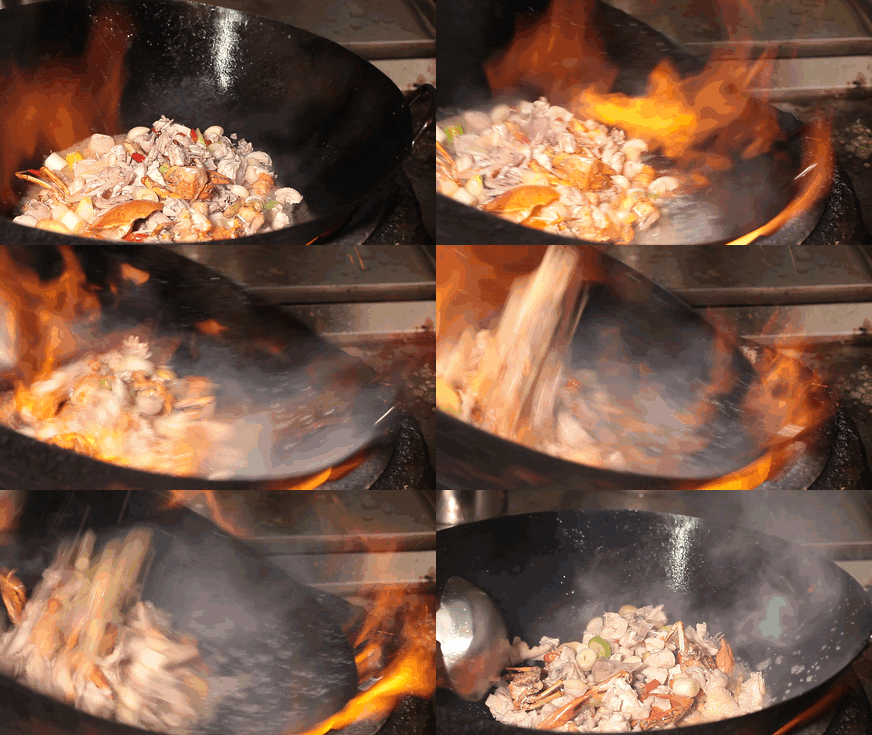
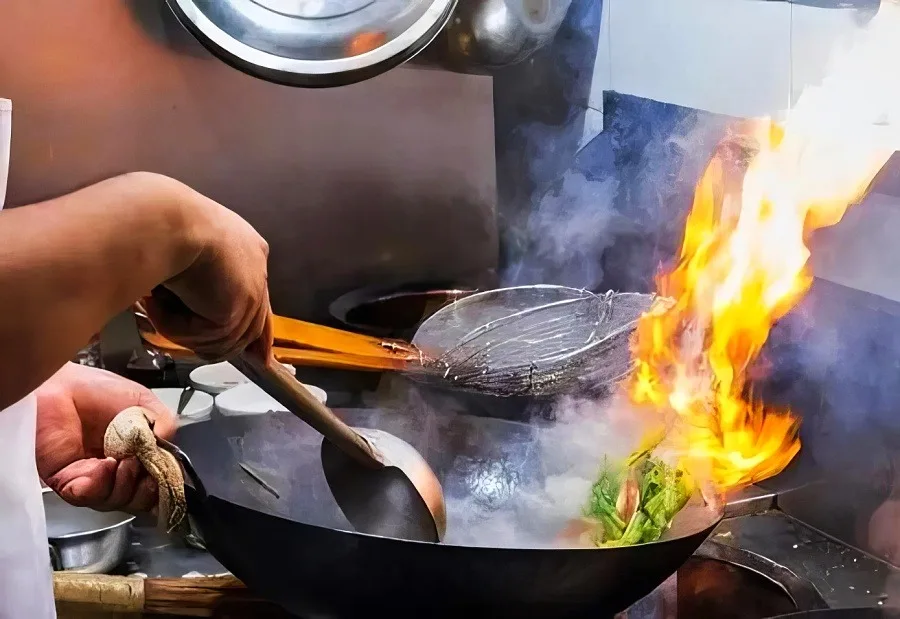
Dishes made this way include Kung Pao Chicken (宫保鸡丁, gōngbǎo jīdīng) – spicy chicken with peanuts and chilies, a Sichuan classic; Chicken Chow Mein (炒面, chǎomiàn) – fried noodles with chicken and vegetables; and Fish-Fragrant Eggplant (鱼香茄子, yúxiāng qiézi) – stir-fried eggplant with chili and garlic.
Deep-Frying (炸, zhá)
Zhá, or deep-frying, is another traditional Chinese technique that creates crisp, golden textures. It’s used for dishes such as spring rolls and wontons. Unlike classic Western deep-frying, Chinese zhá often uses different layers of batter or starch that keep the ingredients soft and juicy inside. The process needs hot oil, which helps prevent the food from soaking up too much fat. When the food comes out of the wok, there’s that crackle that promises an unforgettable first bite.
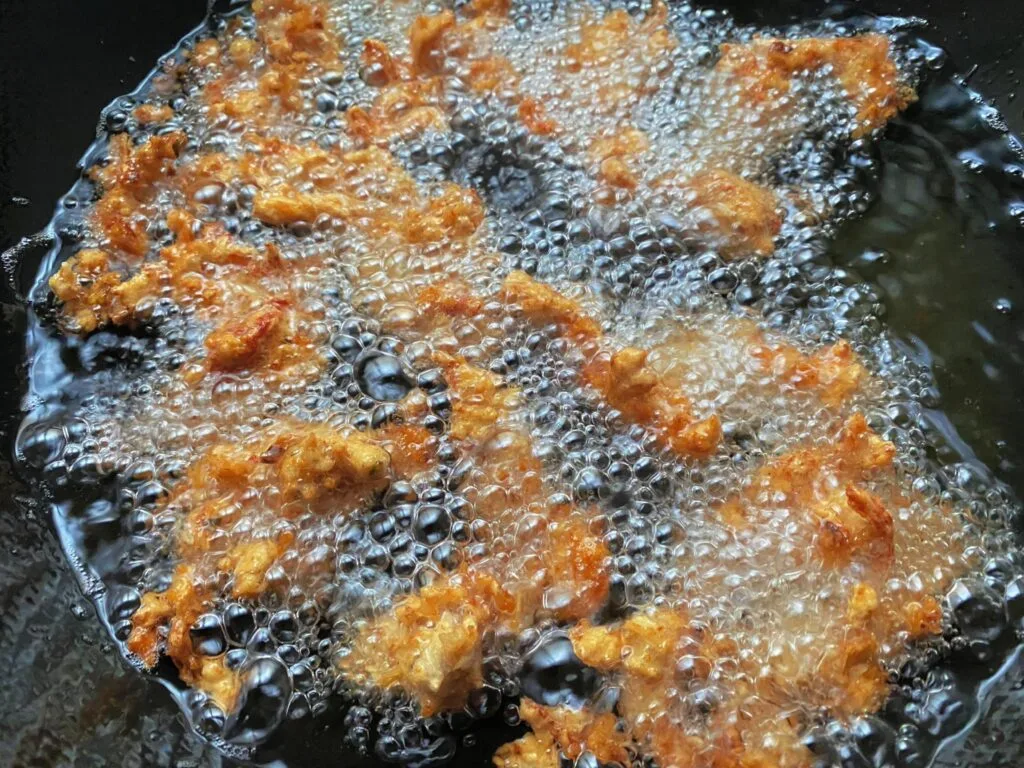
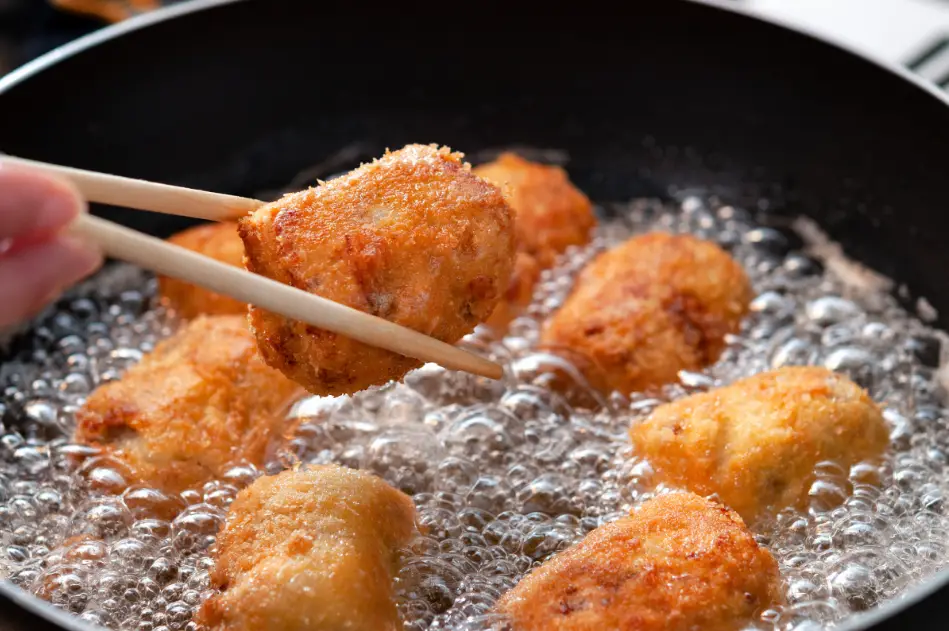
Popular deep-fried dishes include Spring Rolls (春卷, chūnjuǎn) – crispy rolls filled with vegetables or meat – and Salt and Pepper Shrimp (椒盐虾, jiāoyán xiā) – shrimp fried until golden and tossed with salt, pepper and chili.
Steaming (蒸, zhēng)
Steaming (zhēng) is a gentle Chinese technique that preserves the natural flavor and nutrients of the ingredients. It’s often used for fresh fish, vegetables, dumplings and delicate meats. In traditional Chinese kitchens, bamboo steamers are set over boiling water, so the food cooks through without losing its natural juiciness. Bamboo also adds a subtle earthy aroma you won’t get from other kinds of steaming. Zhēng reflects the Chinese philosophy of calm and balance: cooking without aggressive techniques, just clean, gentle steam.
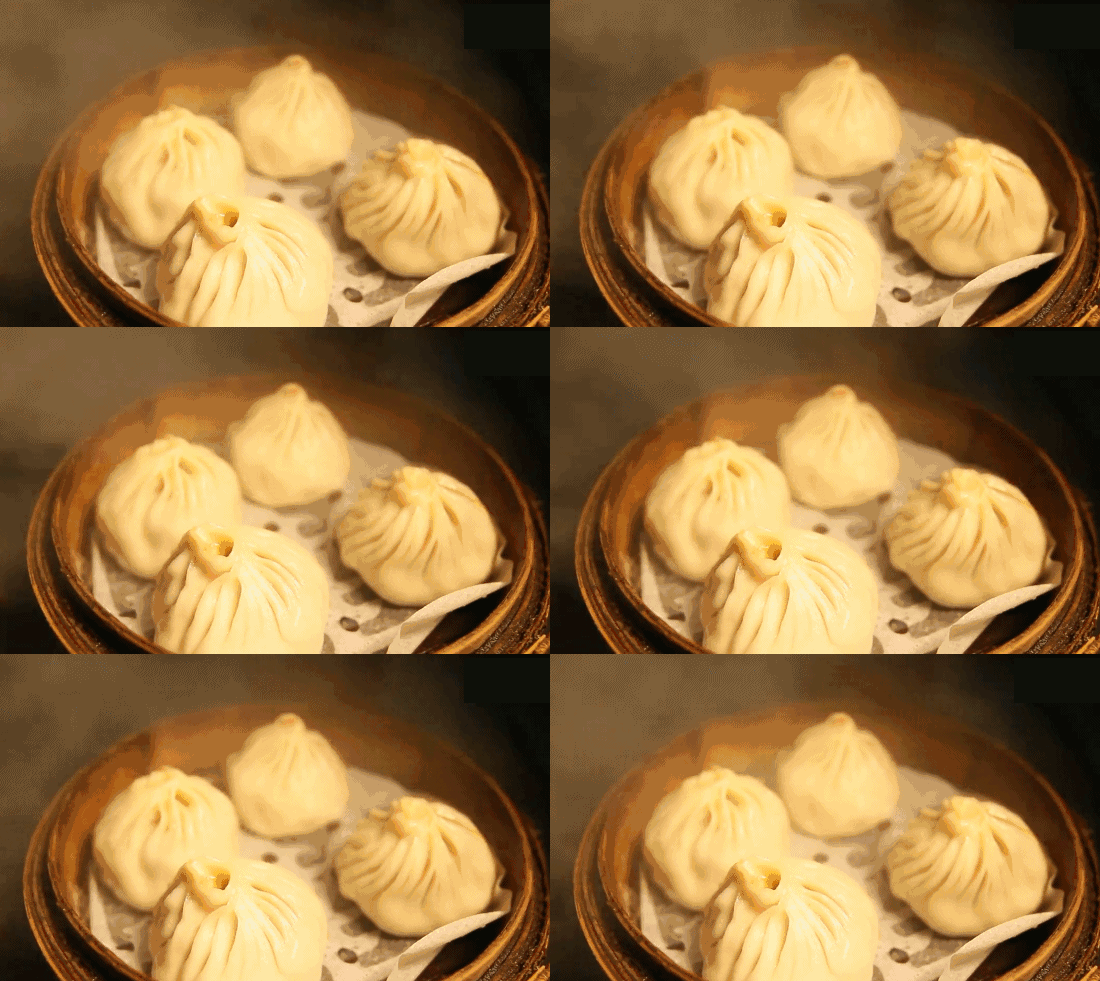
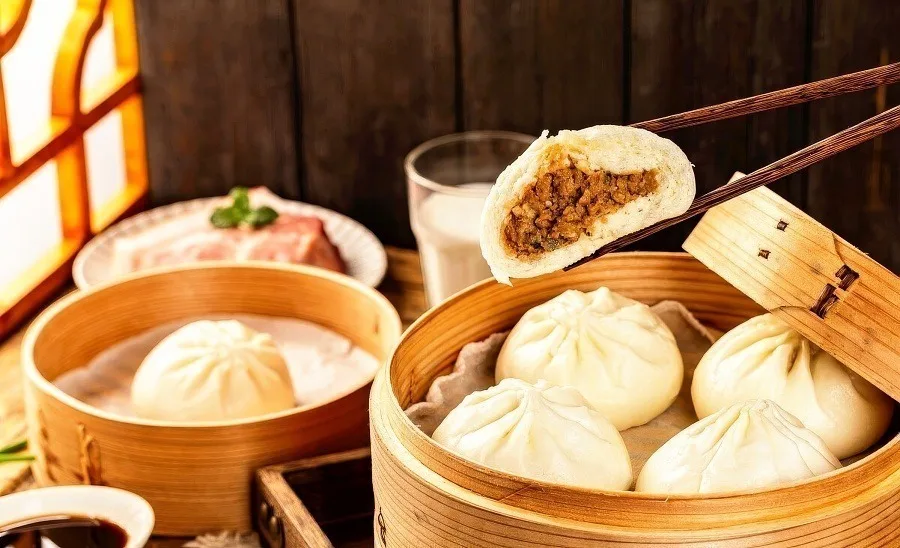
The best-known steamed dishes are Dim Sum Dumplings (点心, diǎnxīn) – all kinds of small steamed dumplings with different fillings; Steamed Fish (清蒸鱼, qīngzhēng yú) – fish steamed with a delicate ginger and scallion sauce; and Stuffed Buns (包子, bāozi) – steamed buns filled with meat or vegetables.
Boiling (煮, zhǔ)
Boiling, zhǔ, is a basic technique behind countless Chinese soups, broths and side dishes. Compared with quick stir-frying or deep-frying, boiling is a slower process that lets the flavors of the ingredients spread through the whole liquid. It’s how famous soups are made, as well as dishes like hot pot, where food is cooked right at the table. Every pot of broth or soup is watched carefully so none of its aroma is lost – zhǔ is a way to simplify ingredients while keeping their essence.
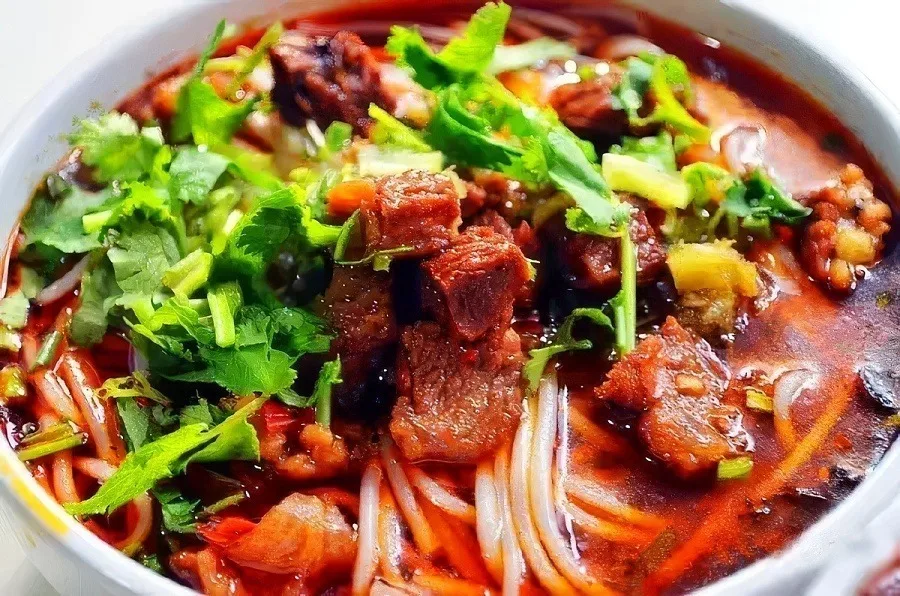
The most famous boiled dish is Hot Pot (火锅, huǒguō) – a tabletop pot of seasoned broth in which guests cook all kinds of ingredients. Another favorite is Beef Rice Noodle Soup (牛肉米线, niúròu mǐxiàn) – thin rice noodles in broth with beef.
Red-Braising (红烧, hóngshāo)
The uniquely Chinese technique of hóngshāo, or red-braising, is often considered one of the most complex methods in Chinese cooking. The ingredients, usually meat or tofu, are braised slowly in a rich sauce of soy sauce, sugar, rice wine and aromatic spices. The result is a dish with a deep reddish-brown color and rich flavor. It takes patience: during the long cook, the flavors merge into a harmony that literally melts in your mouth.
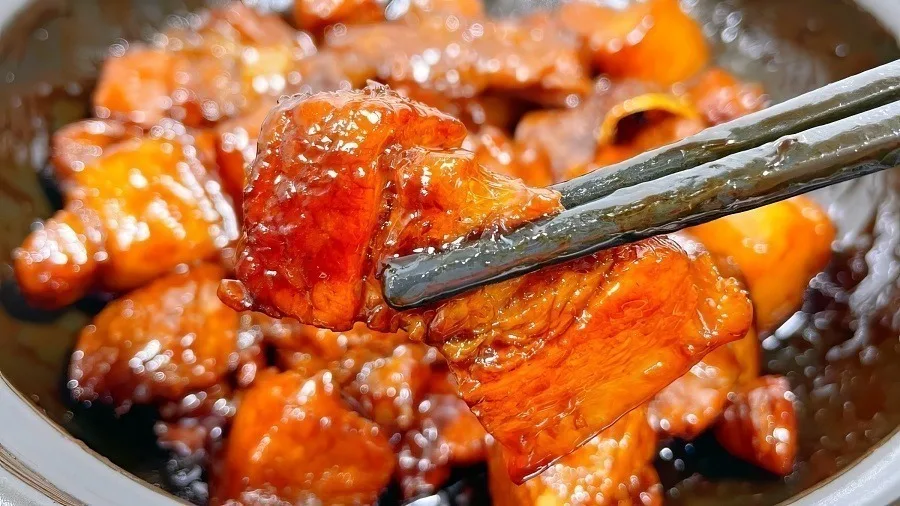
Famous red-braised dishes include Hong Shao Rou (红烧肉, hóngshāo ròu) – pork belly braised in soy sauce – and Red-Braised Beef (红烧牛肉, hóngshāo niúròu) – beef braised in a sweet soy sauce.
Braising (焖, mèn)
The mèn technique – braising after an initial sear – is ideal for larger cuts of meat or whole fish. The meat is first browned quickly over high heat, which builds flavor and color, and then liquid is added so it can braise slowly under a lid. The result is a tender texture with deep, penetrating flavor. Mèn is an art of control – the food cooks slowly but carefully, giving a deep, balanced taste.
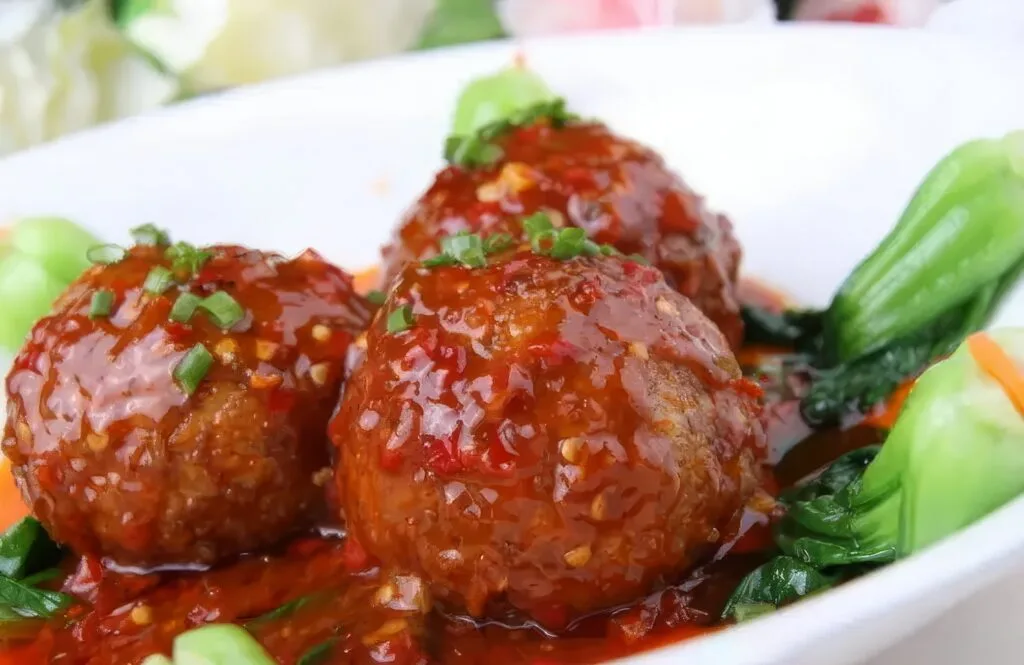
Dishes cooked this way include Lion’s Head Meatballs (狮子头, shīzitóu) – large pork meatballs braised until tender; Braised Beef Ribs (焖牛排骨, mèn niú páigǔ) – beef ribs slowly braised with spices; and Braised Beef with Mushrooms (焖香菇牛肉, mèn xiānggū niúròu) – beef braised with shiitake mushrooms in soy sauce.
Smoking (熏, xūn)
Xūn, or smoking, is a popular technique in some regions, such as Sichuan. It gives dishes a characteristic smoky flavor. Different kinds of wood are used, often along with tea leaves or aromatic herbs that give the food a distinctive fragrance. Before smoking, the food is usually marinated to soak up as much flavor as possible. Xūn is about patience and the art of combining natural flavors that slowly work their way into meat or fish, creating an unforgettable result.
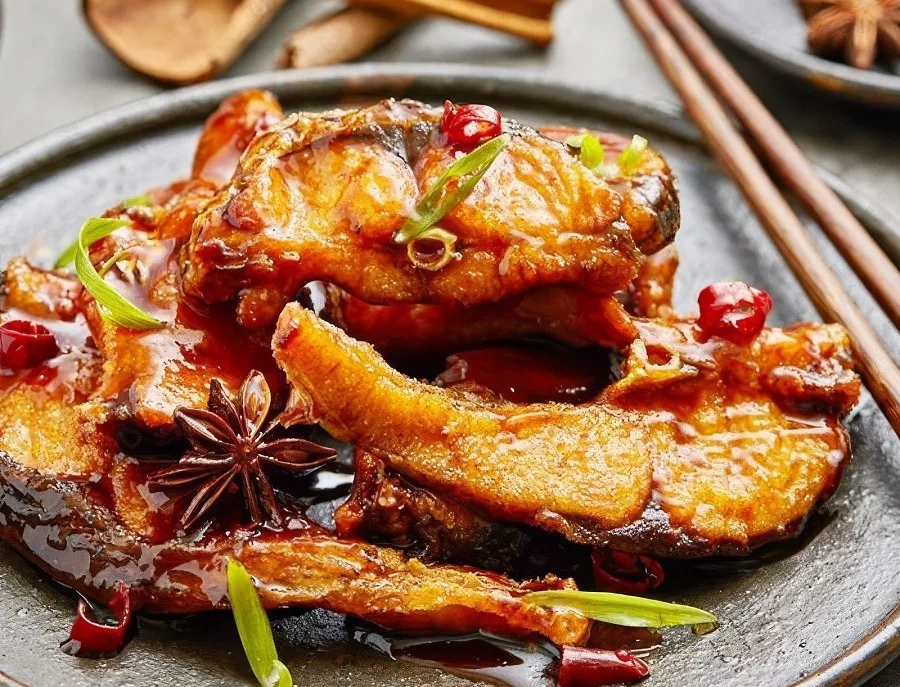
The best-known smoked dish is Sichuan Smoked Duck (四川熏鸭, Sìchuān xūn yā) – duck marinated and smoked with tea leaves. Another is Smoked Fish (熏鱼, xūn yú) – fish fillets marinated and smoked with herbs, often served as an appetizer.
Blanching (焯, chāo)
Blanching, chāo, means plunging ingredients into boiling water briefly and then cooling them immediately. It’s often used to brighten the color of vegetables and prepare them for further cooking, so broccoli or green beans, for example, stay crisp and vivid. Chāo is about keeping things fresh and bright – not long cooking, but a lightning-quick heat.
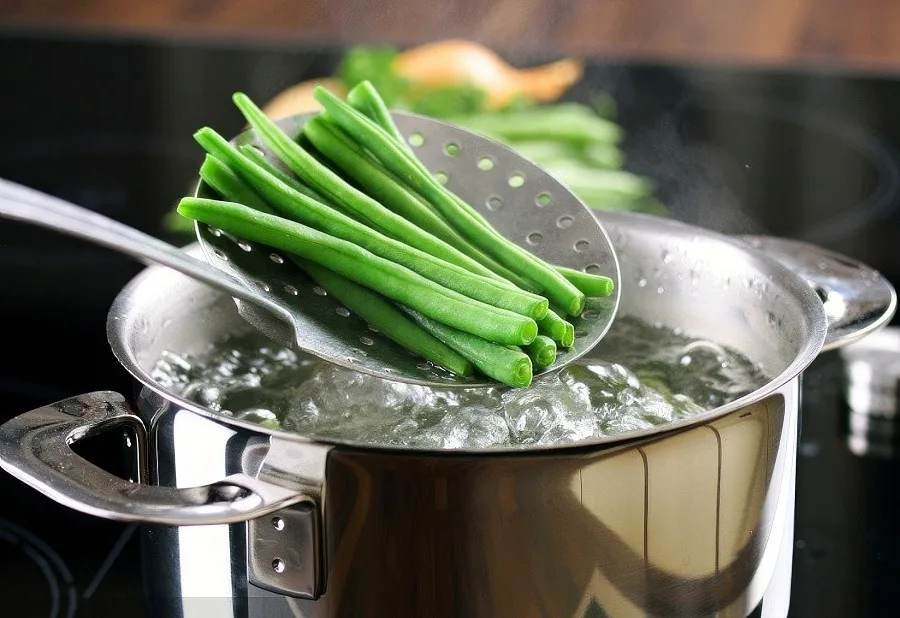
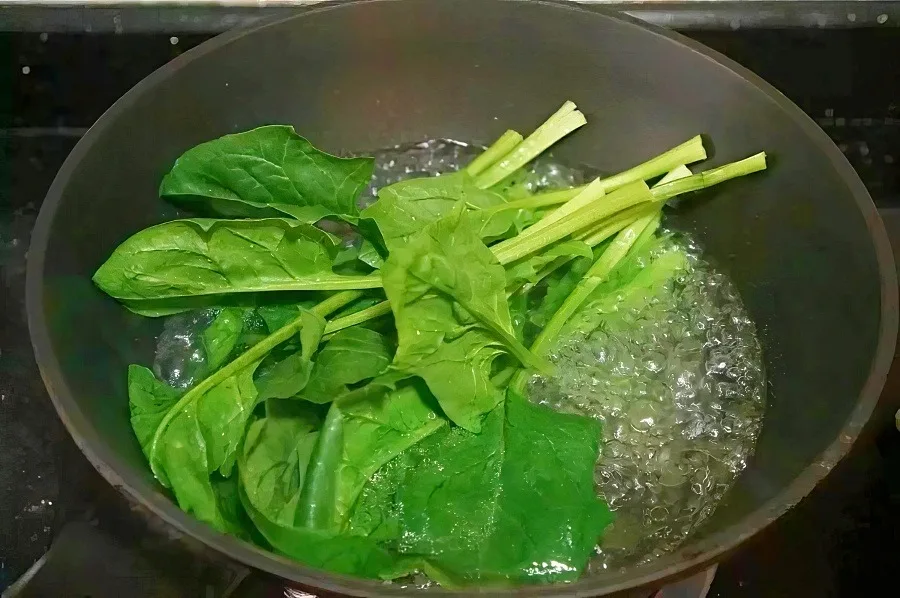
Dishes made this way include Blanched Vegetables with Peanut Sauce (花生酱拌菜, huāshēngjiàng bàn cài) – mixed vegetables blanched and served with peanut sauce, popular as a healthy, light appetizer – and Blanched Greens with Garlic (蒜蓉菜心, suànróng càixīn) – tender Chinese greens topped with a fragrant garlic sauce.
Pickling and Fermenting (腌 yān, 泡 pào)
Pickling and fermenting preserve the flavor and texture of ingredients while adding tangy, spicy or sour notes. Chinese pickles include all kinds of vegetables, such as cabbage, cucumber and radish. Fermented pastes and sauces – the many kinds of 酱 (jiàng) – also belong to this tradition. Pickled vegetables are a popular side dish and add a new dimension to meals with their fermented tang and umami depth.
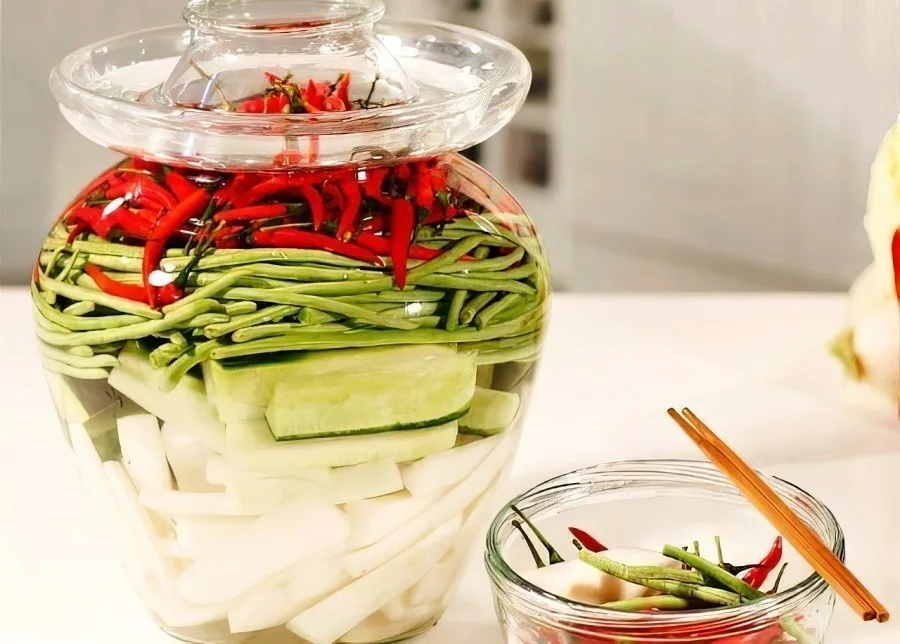
Examples include Fermented Black Beans (豆豉, dòuchǐ) – pungent fermented soybeans used to season sauces or served as a condiment – and Pickled Chili Cucumbers (泡辣椒黄瓜, pào làjiāo huángguā) – sour, spicy cucumbers often served alongside rice or meat dishes.
Roasting (烤, kǎo)
Roasting, kǎo, is used mainly for dishes such as Peking duck. Marinated meat or whole birds are roasted either in an oven or over an open fire, giving them a crisp skin and a juicy inside. Kǎo is a tribute to natural flavors, where a carefully chosen marinade and the right roasting temperature guarantee a perfectly balanced taste.
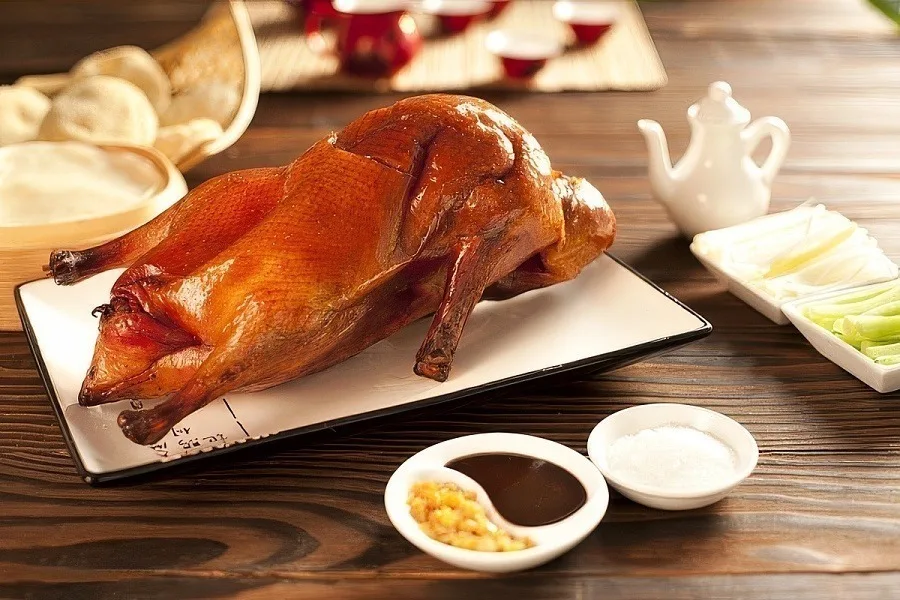
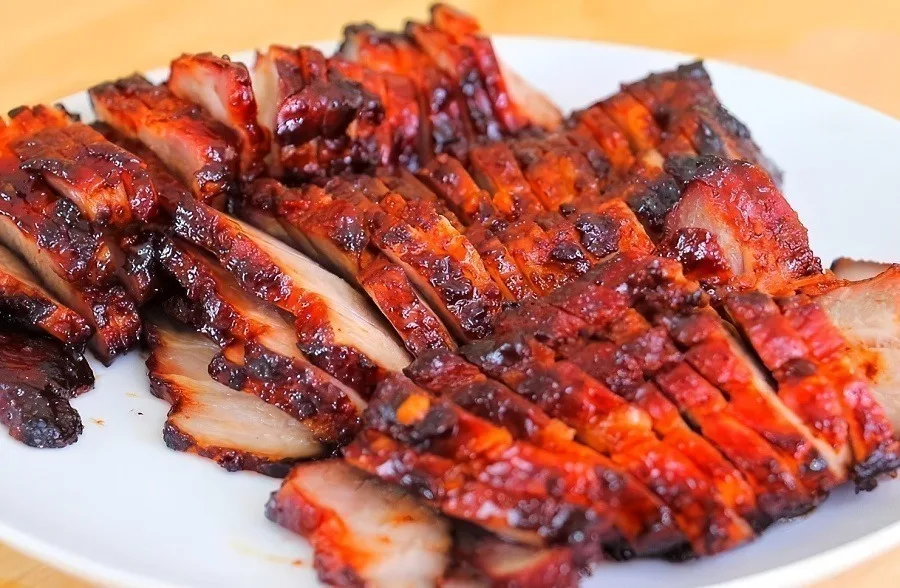
Iconic roasted dishes include Peking Duck (北京烤鸭, Běijīng kǎoyā) – carefully prepared and roasted for an ultra-crisp skin – and Char Siu (叉烧, chāshāo) – sweet-savory pork marinated in honey, soy sauce and spices, then roasted until caramelized.
Velveting (滑油, huá yóu)
Huá yóu, known as velveting, is a uniquely Chinese technique that gives meat or seafood a delicate, tender texture. The meat is first coated in a mixture of egg white, starch and sometimes rice wine. It’s then quickly blanched in water or briefly pre-fried in oil, which gives it a silky surface. The method is especially popular for beef, chicken and fish dishes where a delicate texture is the goal. The result? Meat as smooth as silk that melts in your mouth.
Examples include Cashew Chicken (腰果鸡丁, yāoguǒ jīdīng) – velvety chicken stir-fried with cashews and vegetables; Black Pepper Beef (黑椒牛肉, hēijiāo niúròu) – velveted beef stir-fried in a peppery sauce; and Beef Chow Mein (牛肉炒面, niúròu chǎomiàn).