
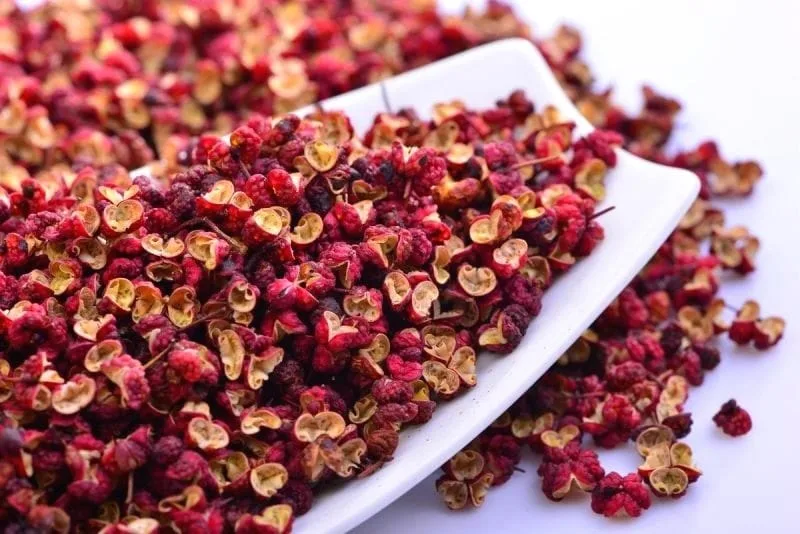
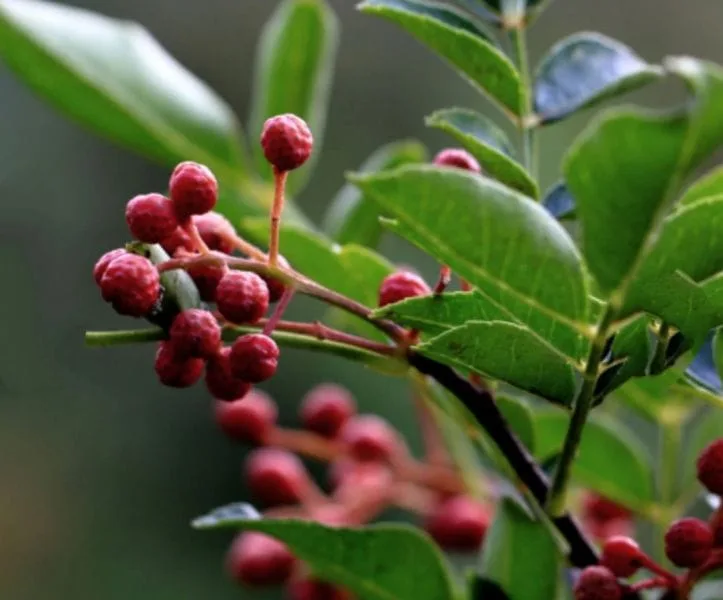
The Chinese name for Sichuan pepper is 花椒 (huā jiāo). It literally means “flower pepper,” because the red husks that hold the black seeds inside “bloom” open like a flower as they ripen. Sichuan peppercorns, a key ingredient in Sichuan cooking, give the region’s spicy dishes their unique tingling, numbing sensation. They have a warming, gently citrusy flavor.
Contents:
Together with hot Chinese chilies, Sichuan pepper creates the flavor known as málà (麻辣), or “numbing heat” – the signature of Sichuan cooking. In fiery Sichuan dishes, the numbing effect of the peppercorns can actually soften the burn of the chilies and let you taste the subtler flavors of the dish. That’s why Sichuan pepper is the essential counterpoint to chilies in so many Chinese dishes.
The numbing is caused by a compound called hydroxy-alpha-sanshool. The word “sanshool” comes from sanshō (山椒), the Japanese name for Japanese pepper (literally “mountain pepper”), plus the suffix “-ol,” which denotes an alcohol.
Green or Red
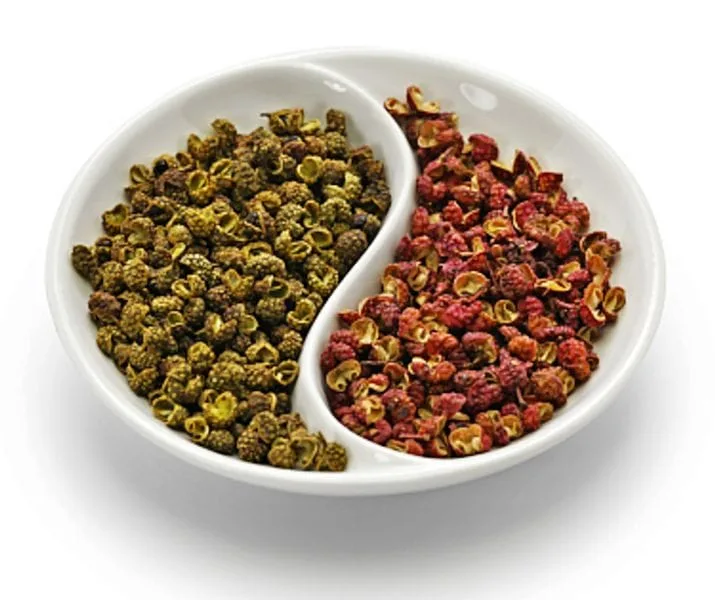
Red Sichuan peppercorns are the most common, but there’s also a green variety, which became popular in Chinese kitchens in the late 1990s. Contrary to what some people believe, it isn’t an unripe version of the red one – it comes from a different species and has a sharper, more lime-like aroma.
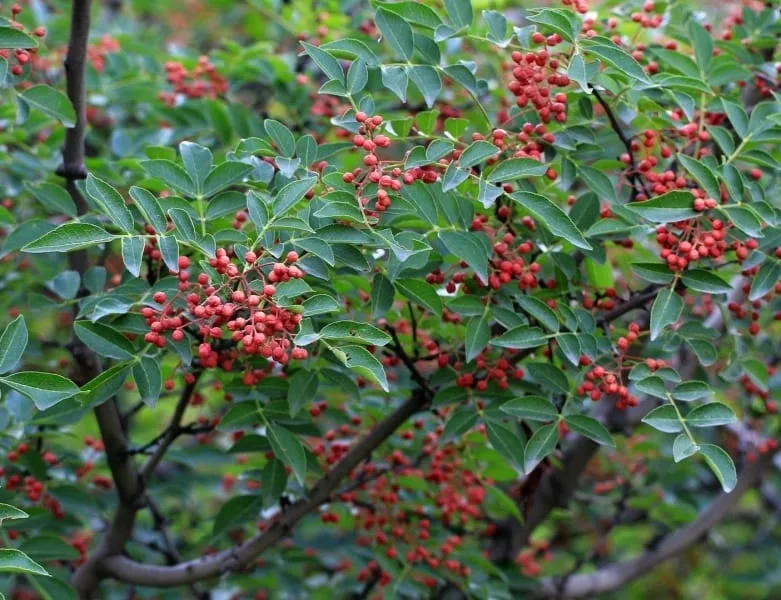
Despite its name, Sichuan pepper isn’t closely related to black pepper or to chilies. It belongs to the widespread genus Zanthoxylum in the family Rutaceae, which also includes citrus and rue. Related species are used in the cooking of several other Asian countries. And the word “Sichuan” isn’t part of its Chinese name, so if you ask someone in China for “Sichuan pepper,” there’s a good chance they won’t know what you mean – ask for huā jiāo instead.
How to Use It
Some cooks use Sichuan pepper to infuse oil at the start of cooking; others grind it into a powder that’s added during cooking or sprinkled on at the end. All over China, Sichuan pepper is used to season roast meats, braises and even cured sausages. In small amounts, the numbing effect isn’t noticeable.
You can buy ground red Sichuan pepper, but we recommend grinding your own with a mortar and pestle or a spice grinder. Toast the peppercorns lightly in a dry pan before grinding.
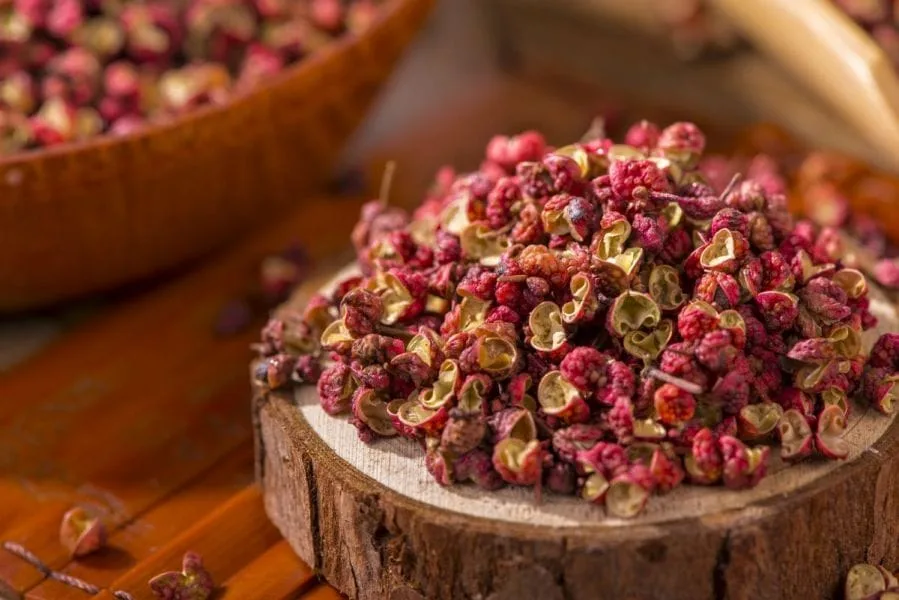
Imports of Sichuan pepper into the United States were banned from 1968 until 2005. The ban was meant to stop the spread of a citrus canker that damages citrus crops but doesn’t affect humans. Today, imported Sichuan pepper must be heat-treated.
Which Sichuan Pepper to Buy
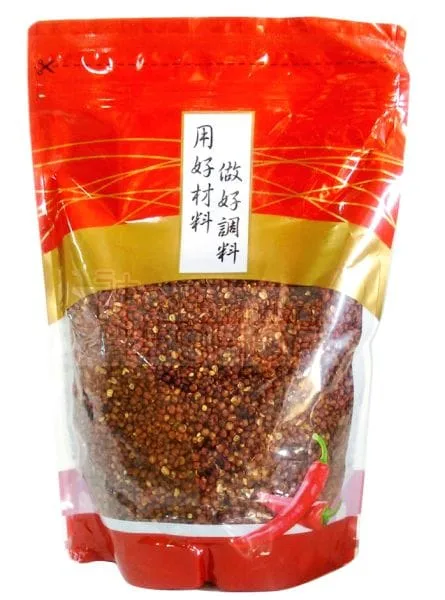
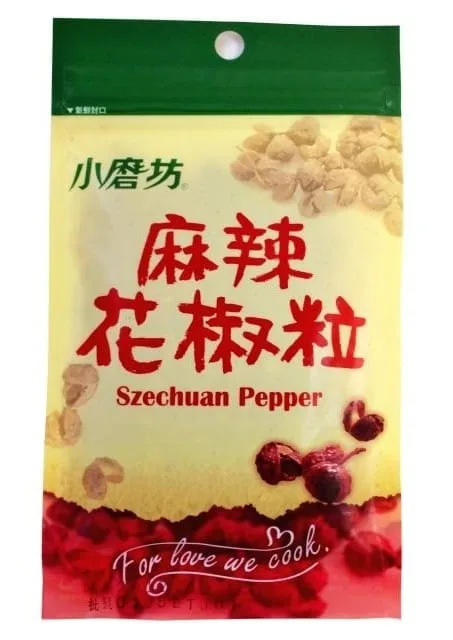
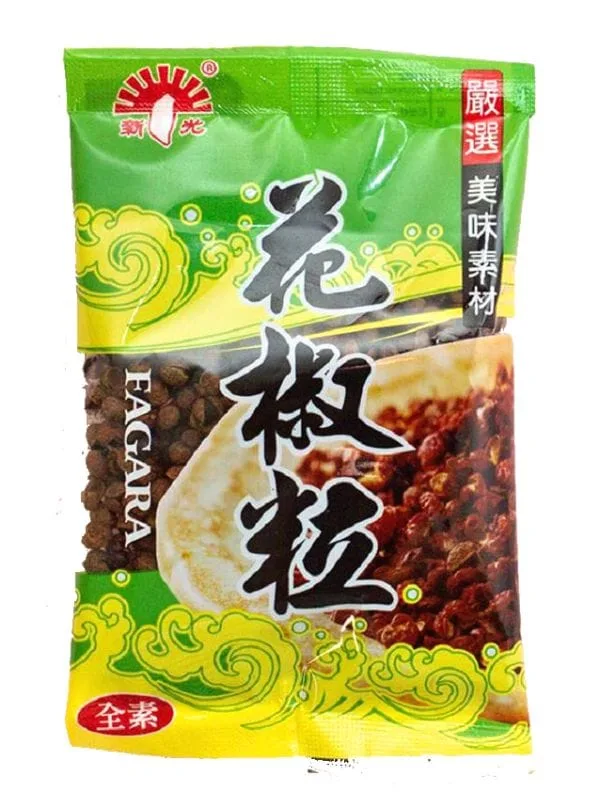
When buying whole red Sichuan peppercorns, look for bright pink and red shades and avoid any that look dark. The brighter they are, the fresher they are and the stronger the numbing effect. Also avoid packages with lots of black seeds and stems. When you first open a bag, you should smell a strong citrusy, peppery aroma. Look for them at Asian grocery stores or online.
Storage
Whole Sichuan peppercorns keep for years if stored properly in an airtight bag or jar, away from light and moisture. Use ground Sichuan pepper as soon as possible, because it quickly loses its flavor and aroma.
Substitutes
There’s no real substitute for Sichuan pepper. Some say Tasmanian pepper, black pepper or coriander seeds make a good stand-in, but anyone who’s tasted the real thing would disagree. The strong numbing sensation it creates is what makes it so distinctive. No other pepper has the same effect.