
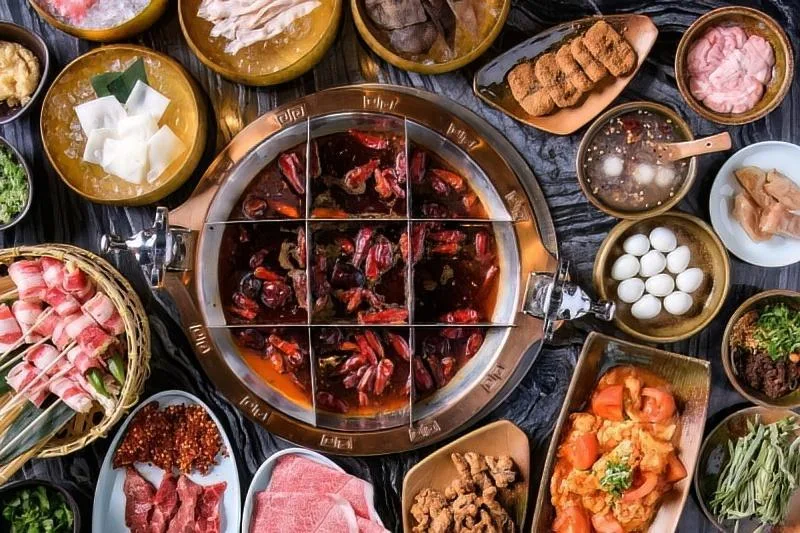
Sichuan cooking is famous for its bold, spicy dishes, which have influenced food scenes all over the world. One of its defining features is málà. This fiery, numbing flavor combination has become the signature of Sichuan cuisine and draws food lovers from everywhere on an unforgettable flavor adventure.
Contents:
What Does “Málà” Mean?
The word málà combines two Chinese characters: 麻 (má), “tingling” or “numbing,” and 辣 (là), “spicy hot” – both describing sensations in the mouth. Together they create a unique flavor experience that’s characteristic of Sichuan cooking.
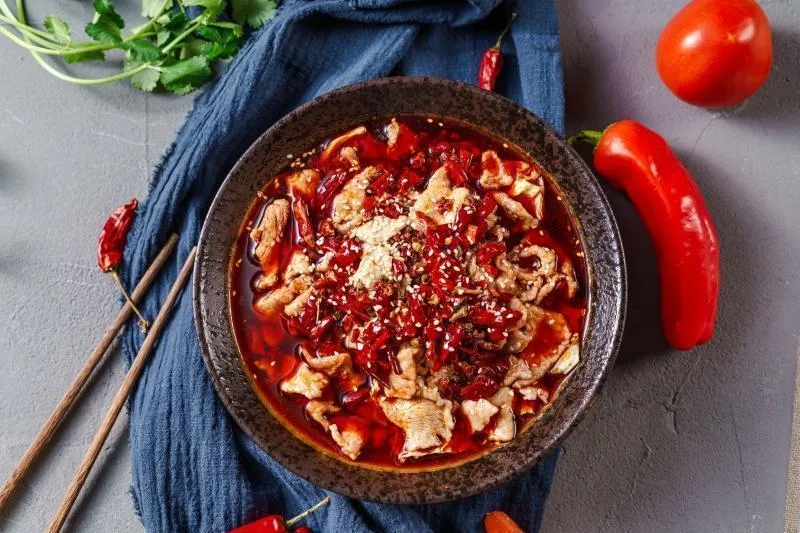
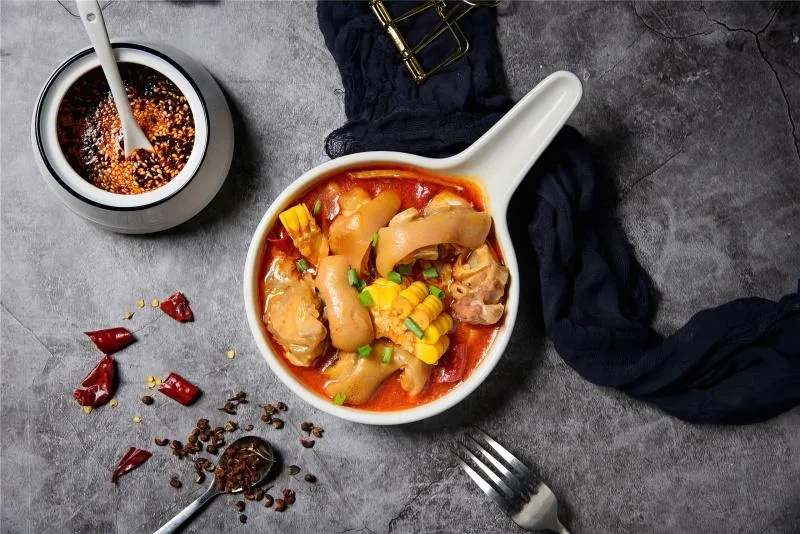
Heat plays a big role in Sichuan cooking, and a wide range of seasonings is used. Red and green chilies, peppercorns, ginger, garlic and other aromatics go into dishes in generous amounts. Together they bring an intense, sharp flavor that wakes up the senses and gets your taste buds excited.
The Secret of Sichuan Pepper
So what makes málà so special? One of its most fascinating qualities is the way it numbs the palate. Málà is closely tied to Sichuan pepper, which plays a key role in Sichuan cooking. Despite its name, Sichuan pepper isn’t related to black pepper at all – it’s the dried husk of the prickly ash plant (Zanthoxylum). It has a distinctive citrusy, slightly woody aroma and brings a very particular flavor to food. Eating Sichuan dishes, you may feel a temporary tingling or numbness on your tongue and lips, which adds a whole new dimension to the experience.
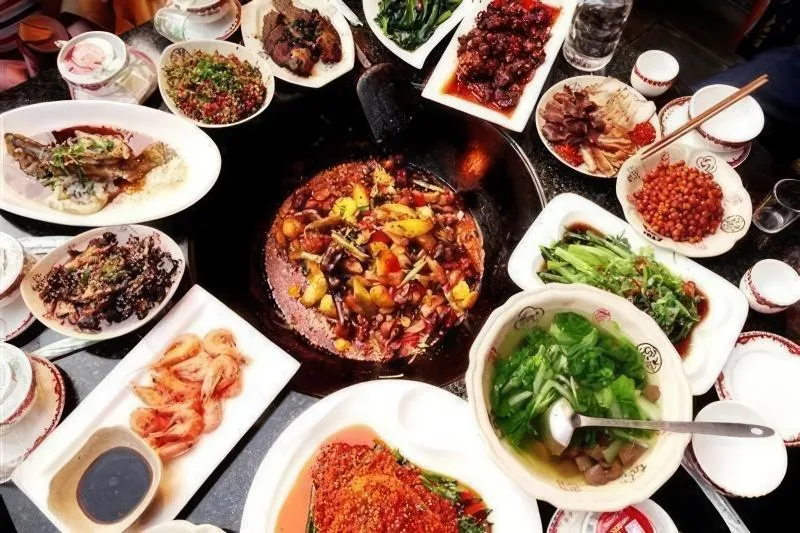
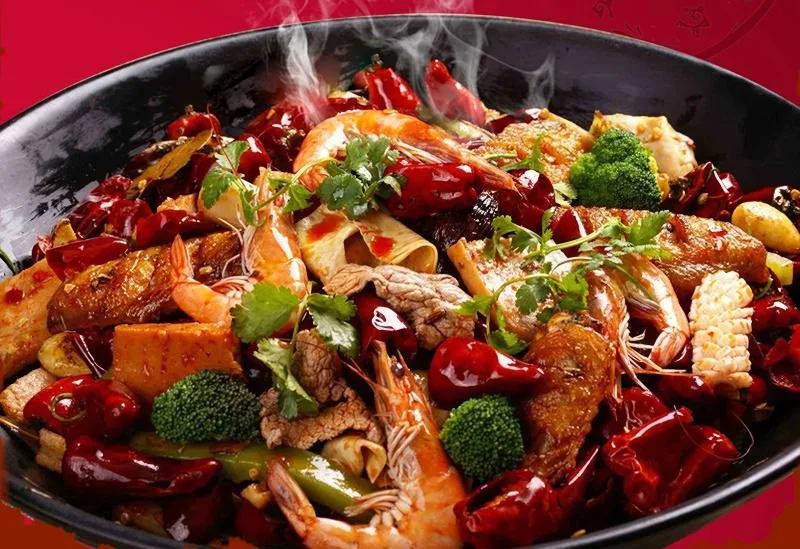
Málà isn’t just about heat and numbness – it’s also about balance. Sichuan cooking often combines salty, sour, sweet and bitter elements that weave through chili-based sauces. This harmony of flavors creates a layered experience in which the burn of the chili fades into the tingling coolness of Sichuan pepper.
The fire of the chilies and the numbing effect of the peppercorns dance together in your mouth, alternating between sharp, almost painful heat and hazy, aromatic relief. Málà is an inseparable part of Sichuan cooking, and its influence on world cuisine keeps growing. Want to taste it for yourself? Try Mapo Tofu, Dan Dan noodles or homemade chili oil.