
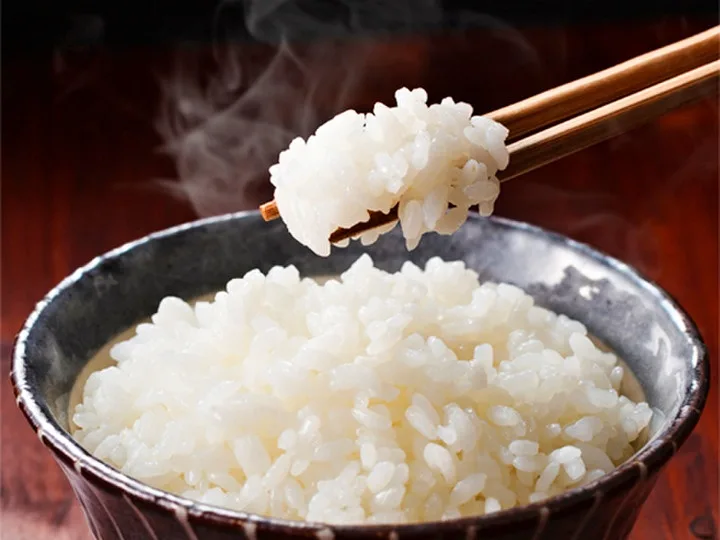
Rice is the foundation of Chinese cooking – and yet plenty of people get it wrong. Mushy, clumped together, bland. Properly cooked Chinese rice is actually simple once you know a few basic rules.
Contents:
This guide shows you the traditional Chinese way to cook rice in a pot, explains why it differs from what you may be used to, and answers the most common questions – including why rice sticks, and when it should or shouldn’t.
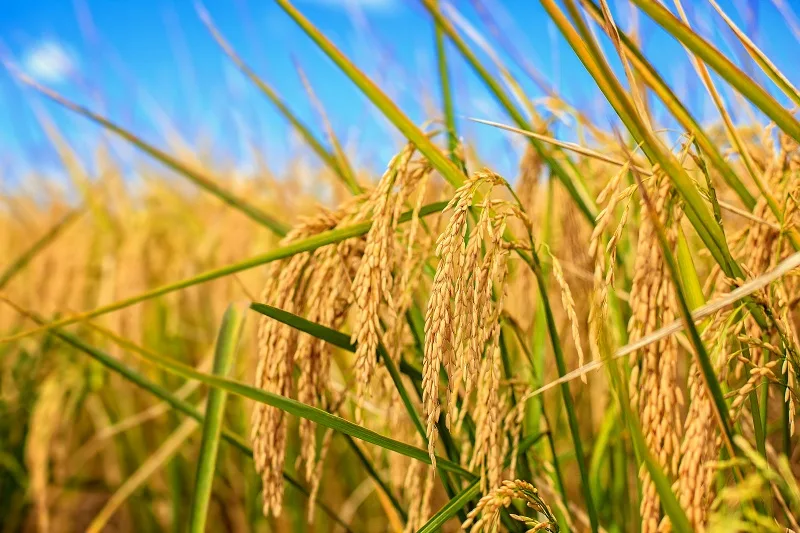
Which Rice to Use for Chinese Dishes
This is the first and most important step. Not every rice suits every dish.
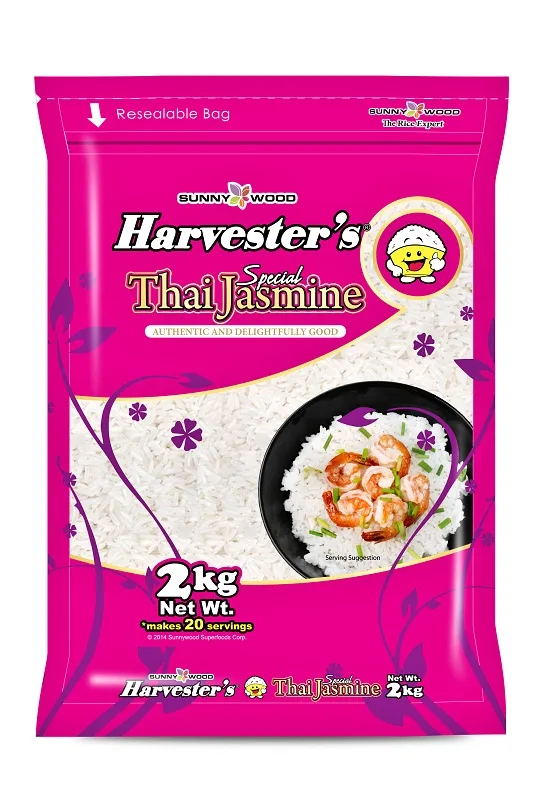
Jasmine Rice – the Everyday Staple
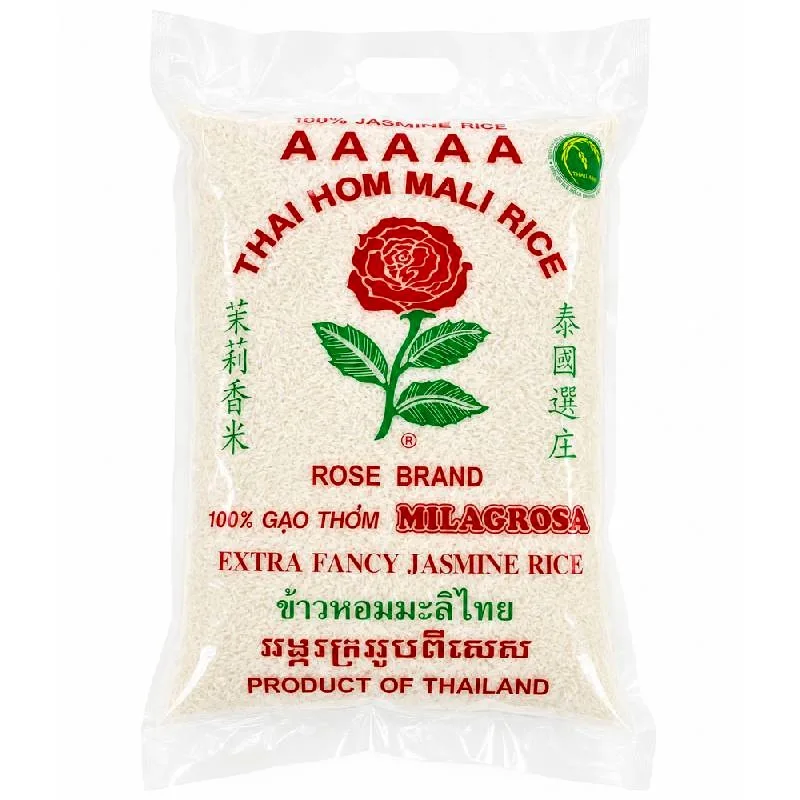
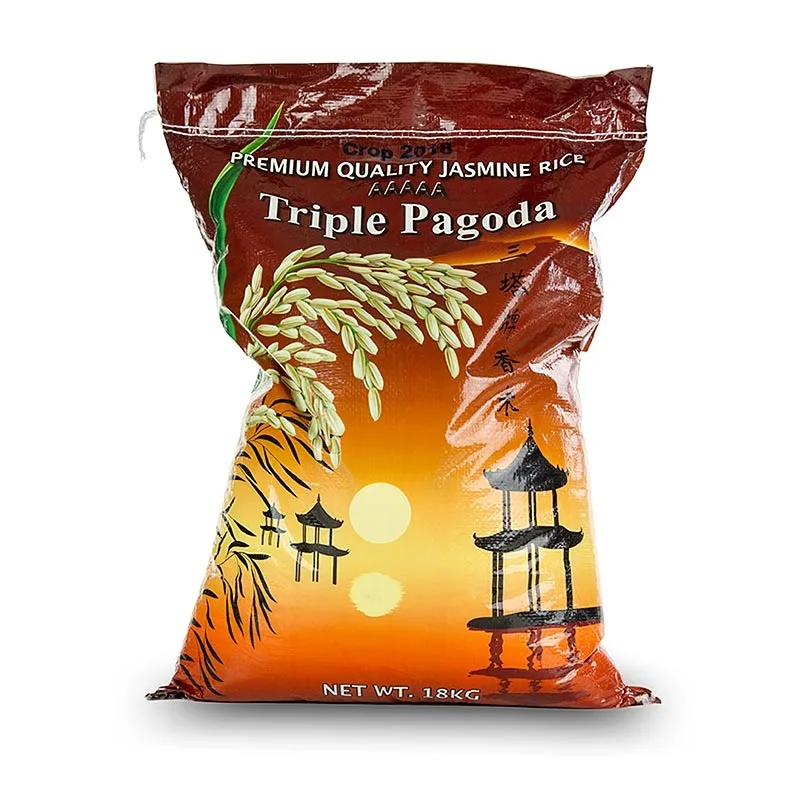
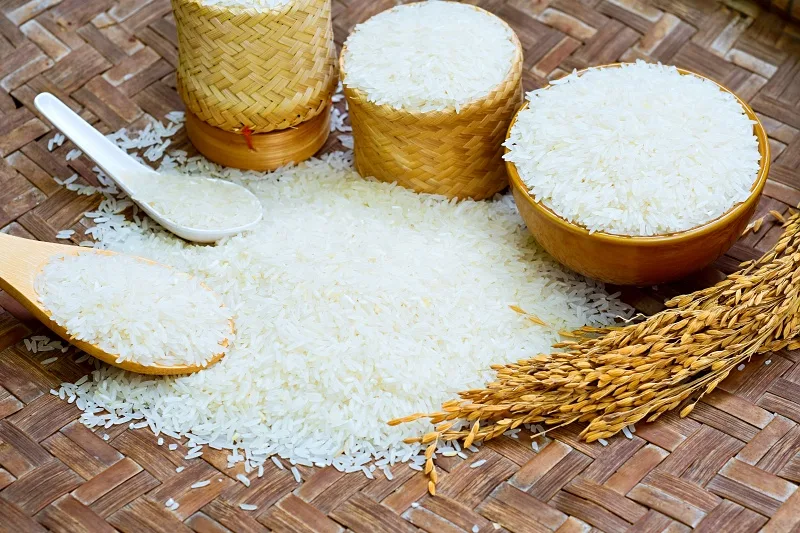
Jasmine rice (also called Thai fragrant rice) is the number-one choice for the vast majority of Chinese dishes. Once cooked, it is slightly sticky – the grains cling together without turning mushy. That texture is exactly what makes it easy to eat with chopsticks and lets it soak up stir-fry sauces.
You’ll find it at any Asian grocery store and in most supermarkets. Look for bags labeled “Thai jasmine rice” or “Thai Hom Mali.”
Short-Grain Rice – for Congee
If you’re making congee (rice porridge, 粥), reach for short-grain rice. It has a higher starch content, breaks down more easily and gives the porridge a silky texture.
Glutinous Rice – for Special Dishes
Glutinous rice (sticky rice, 糯米) is used for dim sum, rice cakes and traditional desserts. It is cooked differently from regular rice – usually steamed – and isn’t meant as an everyday side.
What Not to Use
Parboiled rice (Uncle Ben’s and similar), basmati and American long-grain rice aren’t a great match for Chinese food. Parboiled rice stays loose and separate after cooking – perfect for Indian curry, but it lacks the slight cohesion you want with a Chinese stir-fry.
How to Cook Chinese Rice in a Pot – Step by Step
The Chinese method is a little different from the “boil in lots of water and drain” approach many Western cookbooks use. No big pot of water, no draining. The rice cooks in a precisely measured amount of water and absorbs all of it.
What You’ll Need
- Jasmine rice
- Water at a 1 : 1.2 ratio by volume (1.2 cups of water for every cup of rice)
- A pot with a tight-fitting lid
Method
- Rinse the rice. Put the rice in a bowl, cover with cold water and swirl gently. Pour the water off. Repeat 2–3 times until the water runs almost clear. This removes excess surface starch so the rice won’t turn gummy.
- Measure the water. The ratio is key: 1 part rice to 1.2 parts water. For 2 servings, that’s roughly 200 ml (a scant cup) of rice and 240 ml (1 cup) of water.
- Bring to a boil. Put the rinsed rice in the pot, add the measured water and bring to a boil uncovered over medium-high heat.
- Turn the heat to low and cover. As soon as the water starts bubbling, turn the heat down to the lowest setting, cover with the lid and cook for 12 minutes. Don’t lift the lid – the steam inside is part of the process.
- Let it rest off the heat. After 12 minutes, take the pot off the burner and let the rice rest, covered, for another 10 minutes. During this time, the rice finishes cooking in the remaining steam.
- Fluff with a fork or chopsticks. Before serving, gently stir the rice to separate the grains and let excess steam escape.
The most common mistake: lifting the lid while the rice cooks. Every peek lets out steam the rice needs to cook through properly. Hold out for those 12 minutes.
Why Rice Sticks – and When You Want It To
This is a topic surrounded by plenty of confusion.
Jasmine rice is naturally a little sticky – and that’s how it should be. Chinese cooking counts on it. Slightly cohesive rice holds together when you eat it with chopsticks, absorbs stir-fry sauces better and simply works better as a side for dishes like kung pao chicken, mapo tofu or stir-fried vegetables.
Gummy, mushy rice is another story – that’s a mistake. It’s caused by too much water, too high a heat, or skipping the rinse.
Making Fried Rice? Cook the Rice a Day Ahead
Freshly cooked rice is too moist for frying. When it hits hot oil, the grains clump together instead of separating and crisping up.
The right way: cook the rice a day ahead, let it cool, and refrigerate it uncovered overnight. The next day it will be dry, loose and perfect for frying.
For a full walkthrough, see the recipe for chicken fried rice.
Is a Rice Cooker Worth It?
If you cook Chinese food regularly, the answer is a clear yes. In Chinese households a rice cooker is as standard as a kettle or a toaster.
The benefits are obvious: the rice turns out right every time, you don’t have to watch the clock or the heat, and it keeps the rice warm until you serve. A good rice cooker doesn’t have to be expensive – even a basic model for around $25–35 does a great job.
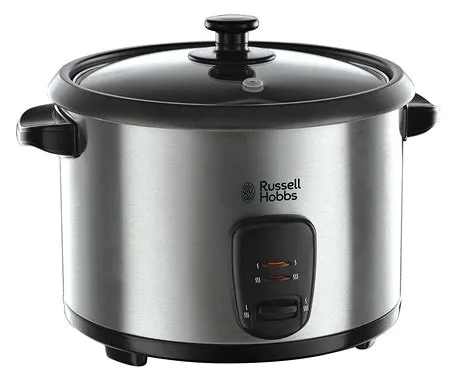
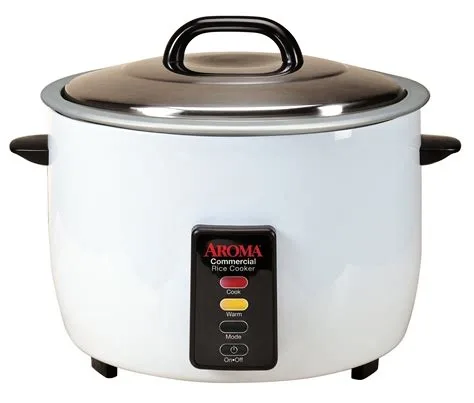
No rice cooker? A pot with a tight lid and the method above will give you just as good a result.
Frequently Asked Questions
How much water for rice?
For jasmine rice, use a 1 : 1.2 ratio (rice : water). For short-grain rice, 1 : 1.3. Glutinous rice isn’t cooked in water at all – it’s steamed.
How long do you cook rice?
12 minutes over the lowest heat with the lid on, then 10 minutes resting off the heat. That’s 22 minutes in total from the moment you turn the heat down.
Why did my rice stick to the bottom of the pot?
The heat was too high or there wasn’t enough water. Try turning the heat even lower and adding a little more water. That said, a thin layer of toasted rice at the bottom of the pot is a deliberate treat in Chinese cooking – it’s called guōbā (锅巴) and has a crunchy, nutty flavor.
Can you freeze cooked rice?
Yes, cooked rice freezes very well. Once it has cooled, divide it into portions, seal in bags and freeze. Reheat in the microwave with a splash of water, or steam it.
Do you have to rinse rice?
For the Chinese method, yes. Rinsing removes the surface starch that makes rice gummy and clumpy. The exception is sushi rice, where you actually want to keep some of that starch.
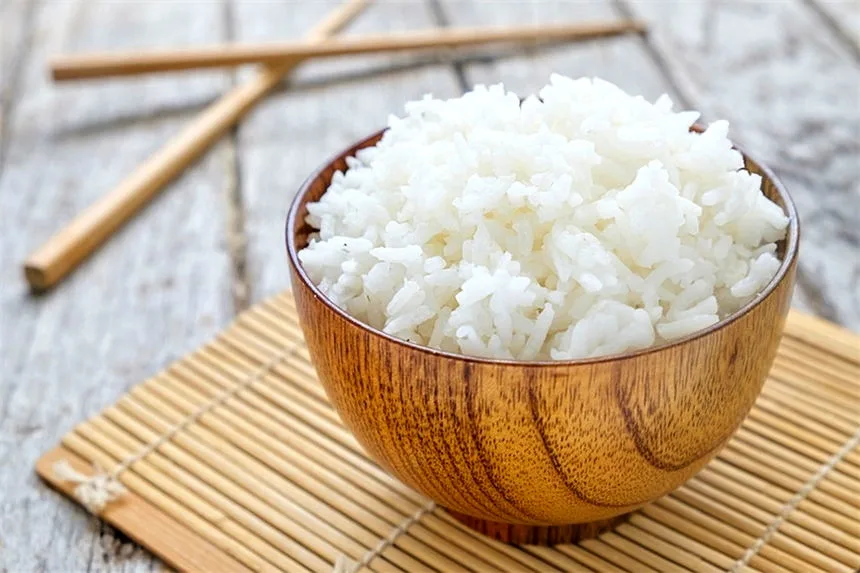
Summary: The Golden Rules of Chinese Rice
- Use jasmine rice as a side, short-grain for congee and glutinous rice for dim sum
- Always rinse 2–3 times in cold water
- Use a 1 : 1.2 water ratio for jasmine rice
- 12 minutes on the lowest heat + 10 minutes resting under the lid
- Don’t lift the lid while it cooks
- For fried rice, use rice cooked the day before