
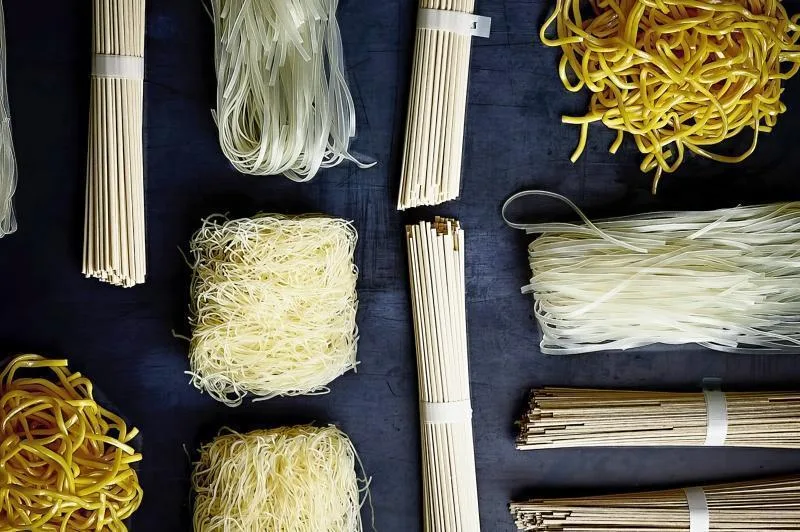
Egg, rice, glass, wheat – there are countless types of noodles, and each suits something different. This guide shows you how the main types of Chinese and Asian noodles differ, how to recognize them, which dishes they work in and how to cook them properly. For each type, you’ll also find links to recipes.
Contents:
Noodle Types at a Glance
| Noodle type | Made from | Best for | Recipe |
|---|---|---|---|
| Egg noodles | wheat flour and egg | stir-fried noodles, chow mein, lo mein | Chow Mein |
| Rice noodles | rice flour | quick stir-fries, soups | — |
| Glass noodles | mung bean or sweet potato starch | soups, salads, braises | Ants Climbing a Tree |
| Wheat noodles | wheat flour and water | Sichuan and northern Chinese dishes | Dan Dan Noodles |
| Ramen, udon, soba | Japanese noodle types | noodle soups, cold noodles | — |
You’ll find a detailed description of each type below – how to recognize it, choose it and cook it properly – along with the history of noodles, which are more than 4,000 years old.
How to Cook Noodles Properly
Asian noodles aren’t cooked like Italian pasta. Most types need much less time – and some aren’t boiled at all, just soaked. The basic rule: take the noodles out slightly underdone, because they’ll keep cooking in the sauce or hot broth.
| Noodle type | How to prepare | Time |
|---|---|---|
| Wheat and egg | boil in water | 3–5 minutes |
| Rice – dried | soak in warm water, don’t boil | 10–20 minutes |
| Rice – fresh | heat through briefly | 1–2 minutes |
| Glass – thick | soak in hot water | 5–10 minutes |
| Glass – thin | soak in cold water | 5–7 minutes |
| Somen | boil, don’t salt the water | under 3 minutes |
| Soba | boil, then rinse | 4–6 minutes |
Three Mistakes That Ruin Noodles
- Boiling rice noodles like pasta. Dried rice noodles only need rehydrating in warm water – in boiling water they turn to mush.
- Not rinsing them before stir-frying. Leftover starch makes noodles stick together. After draining, rinse them in cold water and toss with a spoonful of oil.
- Leaving them in the water too long. Glass noodles fall apart if over-soaked, and wheat noodles lose their bounce. Watch the time and take them out early.
Every culture that came into contact with noodles adapted them in its own way. In Japan, noodles became the basis of ramen, udon and soba. Southeast Asia developed iconic rice noodles, the foundation of dishes like pad thai and pho. And Europe – Italy above all – created its own pasta.
Noodles became popular thanks to their simplicity, affordability and endless possibilities. Spaghetti, lasagna, ramen and chow mein all start from the same principle – flour and water. But have you ever wondered about their history? How long have noodles actually existed?
The World’s Oldest Noodles
In 2005, archaeologists published a discovery that changed how we think about the history of pasta. At the Lajia site in northwestern China, a long-forgotten bowl of noodles was found in an overturned earthenware bowl. The long, thin yellow noodles were remarkably well preserved – they had lain there for an incredible 4,000 years, buried under three meters of sediment.
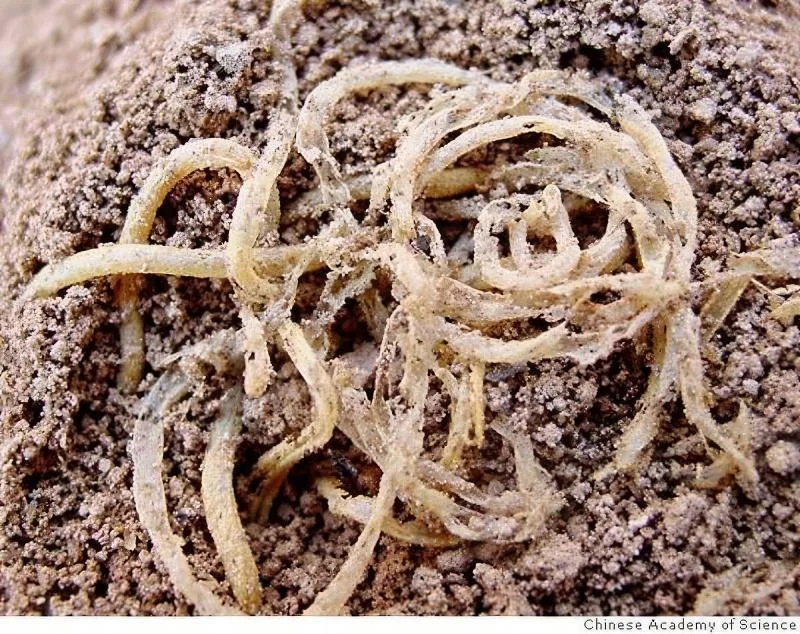
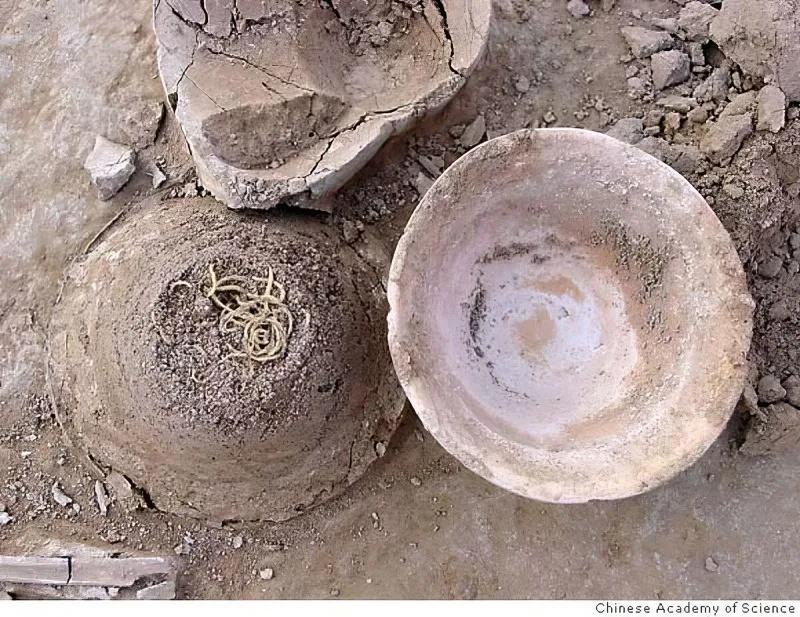
Houyuan Lu, a scientist at the Chinese Academy of Sciences who led the study, described them as the oldest empirical evidence of noodles ever found. But these ancient noodles weren’t made from wheat, as you might expect – at the time, wheat wasn’t yet grown in China. Instead, cooks used two kinds of millet, the traditional Chinese staple grain. The millet was ground into flour and made into dough. Millet noodles are still made in some rural parts of China today.
Broomcorn millet (Panicum miliaceum, 黍 shǔ)
This millet was one of the first grains domesticated in China. It’s known for its drought tolerance and fast growth, which made it ideal for northern China’s drier, cooler climate. It was used for porridges and flatbreads, as well as for pasta and noodles.
Foxtail millet (Setaria italica, 粟 sù)
Also known as Italian millet, foxtail millet was especially popular in China for making flour for flatbreads and noodle dough. Like broomcorn millet, it was hardy and easy to store, which made it a key food in times of scarcity.
Both millets played a key role in the early Chinese diet, especially in the north, where conditions didn’t suit rice. Historical texts from the Han dynasty often mention millet as the staple grain of northern China, before wheat became widespread after arriving via the Silk Road trade routes. Millet is still used in some traditional dishes today, especially in rural areas and during certain festivals, and it was also fermented to make alcohol.
Noodles in Historical Texts
The first written mention of noodles dates from the Eastern Han dynasty (AD 25–220). By then, noodles – especially wheat noodles, which became part of the Chinese diet during the Han – were already a staple. Demand from the army pushed the state to adopt food-processing techniques that made food easier to store and cheaper. Early noodles were also made from other starchy flours, such as buckwheat, millet or pea flour, and their low water content made them ideal for transport and storage.
Noodles Flourish in the Song Dynasty
During the Song dynasty (960–1279), noodle shops that stayed open all night were hugely popular in the cities. In earlier periods, Chinese wheat noodles were known as “soup cakes” (湯餅, tāng bǐng). The Song scholar Huáng Cháoyīng (黃朝英) notes in his miscellany Jìngkāng Xiāngsù Zájì (靖康緗素雜記) that in ancient times, dough-based dishes were collectively called “bing” and differed only in how they were prepared.
“Bing” (餅) is a historical term originally used in China for all kinds of dough-based foods. In ancient times it covered a wide range of dishes, from breads and flatbreads to noodles and dumplings. The word itself means flatbread or cake, but in the context of pasta it included anything made from flour and water.
“Bing” is evidence of China’s long history of grain processing, spanning the transition from primitive millet and buckwheat flatbreads to more sophisticated wheat dishes. Over time, “bing” came to mean specifically flatbreads and cakes, while noodles came to be called “miàn” (麵), meaning dough or noodles.
Today you’ll hardly ever hear “bing” used for noodles, but the old term shows just how dynamic and varied Chinese cooking already was a thousand years ago.
Chinese Noodles
Recipes with Chinese wheat noodles: Dan Dan Noodles
Chinese noodles vary widely by region, ingredients, shape or width and cooking method. They were invented in China and are a staple and cornerstone of Chinese cooking – an essential part of most regional Chinese cuisines and of cooking in countries with large overseas Chinese communities. They can be made from wheat, buckwheat, rice, millet, oats, beans, potatoes, sweet potatoes and even fish. More than 1,200 kinds of noodles are said to be eaten in China today, and thousands of dishes are made from them.
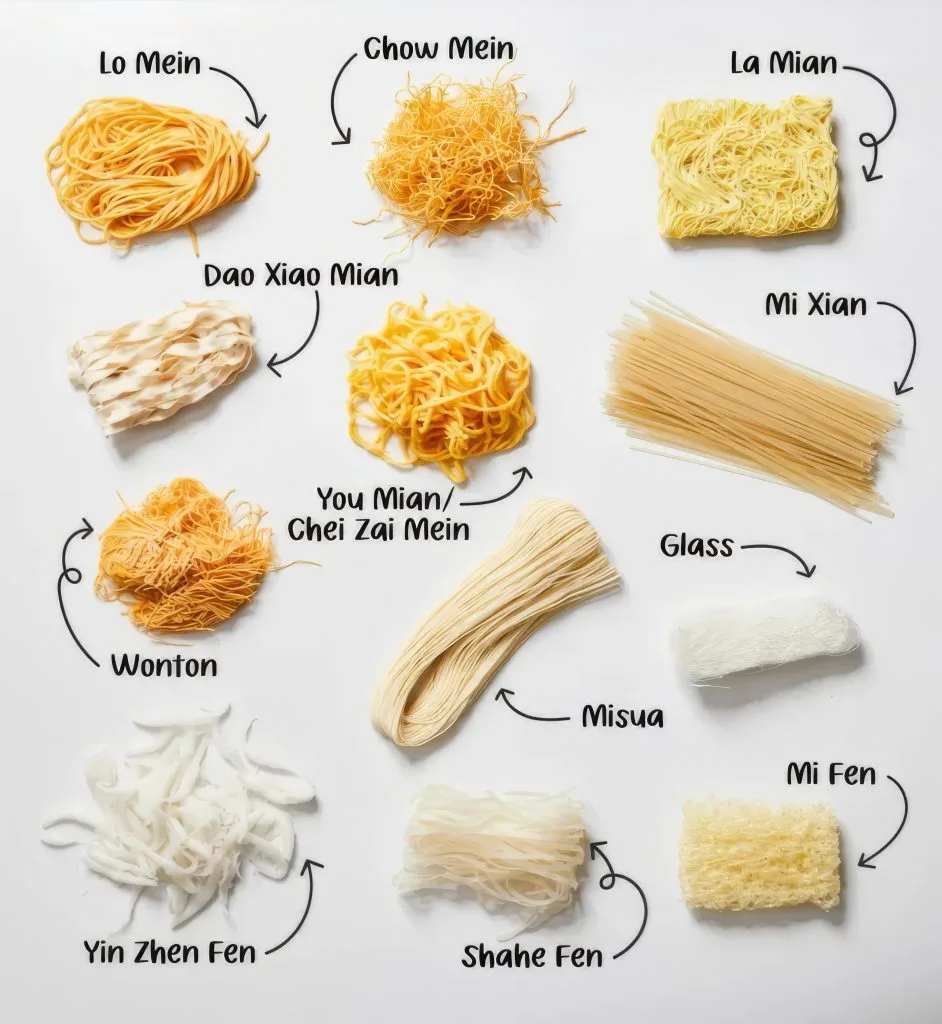
Chinese noodles also made their way into the cuisines of neighboring East Asian countries such as Korea and Japan, and Southeast Asian countries such as Vietnam, Cambodia and Thailand.
How Are Noodles Made?
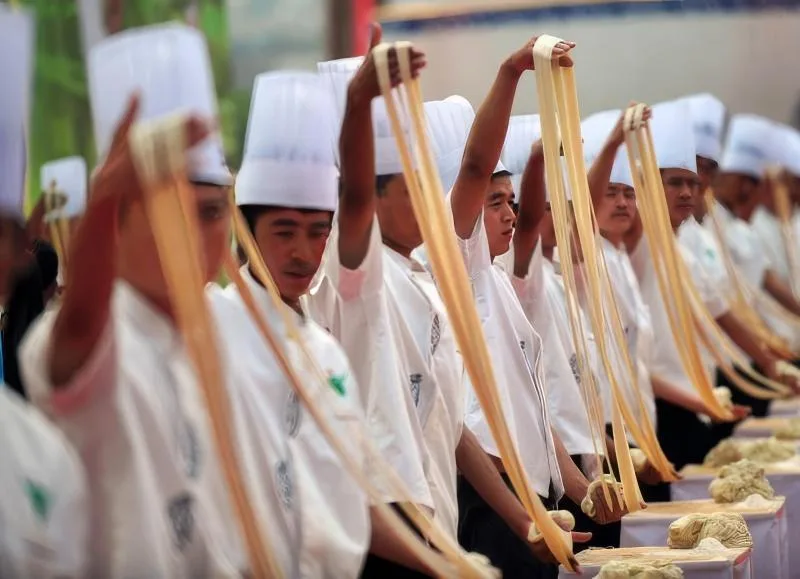
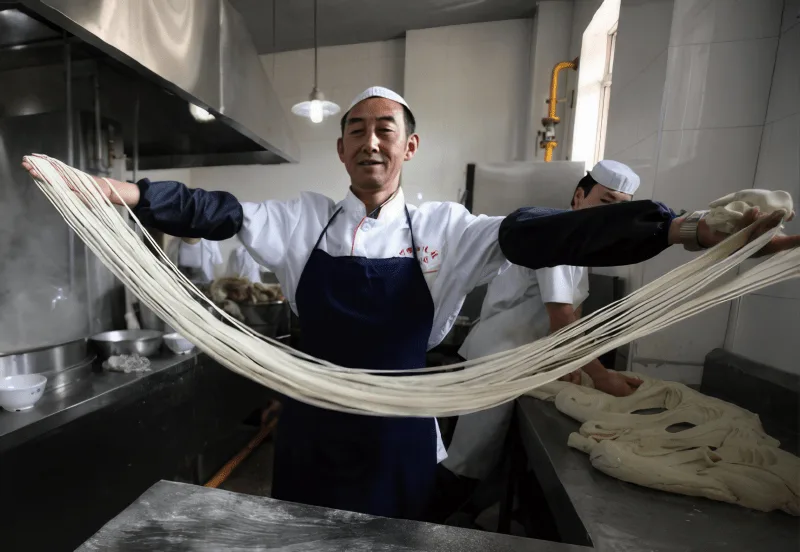
Most large manufacturers today use the roll-and-cut method. The dough is salted, kneaded thoroughly and left to rest. Once it reaches the right consistency, it’s fed through a series of rollers and turned into a long sheet. A cutting blade attached to the last roller can be adjusted for thickness, and the sheet is cut into two-meter strands. These strands are moved to a drying room and left to air-dry naturally. After at least 30 hours, they’re cut and packed. It’s time-consuming, but the noodles taste better for it.
How Long Can You Store Noodles?
Fresh noodles keep in the fridge for three to four days. You can also buy fresh frozen noodles, which last several months in the freezer.
Dried noodles taste best if used within six to seven months of purchase. Store them in a cool, dry place to keep their quality.
Asian Noodles vs. Pasta
People often confuse pasta and noodles. Pasta, the classic Italian staple, is made from durum semolina, a tetraploid wheat with a coarser texture than common wheat. Pasta makers extrude the dough through shaped dies, while Asian noodle makers stretch, pull or cut their noodles. Traditionally, Asian noodles are made from flour milled from common wheat, rice flour, or starch from tubers or beans. Because these flours and starches are finer than those used for pasta, salt is usually added as a binder, whereas Italian pasta doesn’t normally contain salt.
How Noodles Are Named
Naming Chinese noodles can be tricky, given the huge variety available and the many Chinese dialects used to name them. In Mandarin, miàn (simplified 面; traditional 麵; often written “mien” or “mein”) refers to noodles made from wheat flour, while fěn (粉, “fun”) refers to noodles made from other starches, especially rice flour and mung bean starch. Every type of noodle can be written in pinyin, but in Hong Kong and neighboring Guangdong they’ll be known by their Cantonese pronunciation (“meen” or “mein” for wheat noodles, “fun” for non-wheat). Wheat noodles are called mian in Mandarin, mein in Cantonese, men in Japanese, mee in Thai and guksu in Korean.
Asian Noodles
Asian noodles can broadly be divided into three main types: wheat, rice and glass noodles. But there are countless subcategories with different preparation methods, ingredients, shapes and sizes. Here are some of the most popular types of Asian noodles.
Chinese Egg Noodles
Recipe with egg noodles: Chinese Fried Noodles (Chow Mein)
Chinese egg noodles are timeless Asian noodles made from wheat flour, water and eggs. You’ll find them in both thick and thin strands, and they’re loved for their springy, chewy texture. They’re a key ingredient in classic Chinese dishes such as chow mein, wonton soup and lo mein. Some producers cut corners and use food coloring instead of eggs, so check the ingredients on the label to make sure you’re getting real egg noodles.
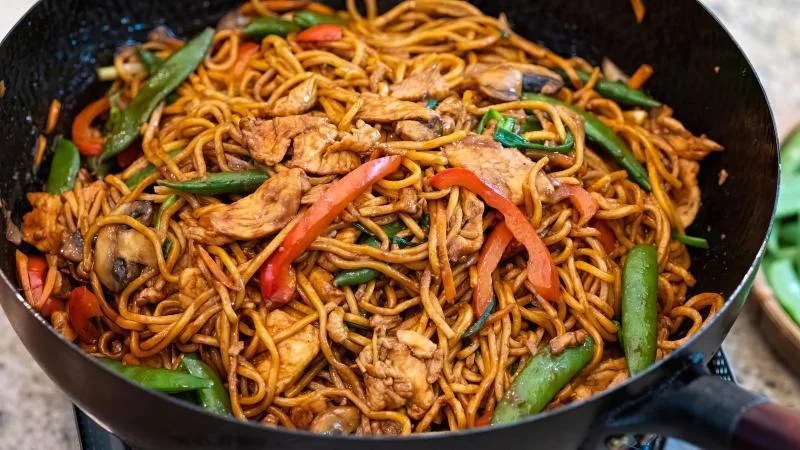
Chinese egg noodles are different from German egg noodles such as spätzle. Irregularly shaped and short, spätzle are usually made from flour, milk and eggs and have a dumpling-like texture. Classic Chinese egg noodles, by contrast, are long, thin and uniform – either round or flat, with a springy, chewy bite.
Rice Noodles
Asian rice noodles fall loosely under the Cantonese word fun (Mandarin fěn). Most are made from a simple recipe of rice flour and water. They come in all shapes and sizes, from short, thick silver needle noodles about 5 cm (2 inches) long to the inch-wide ribbons of beef chow fun. Rice noodles are the basis of many famous dishes, such as Singapore noodles, pho and pad thai, and the same basic recipe is used to make the rice paper for Vietnamese summer rolls.
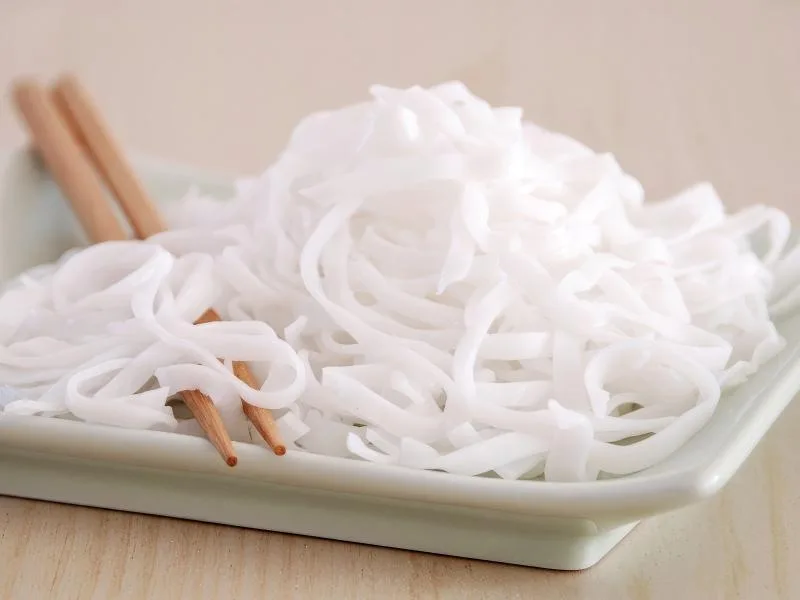
How do you cook rice noodles? They cook much faster than wheat noodles, but the exact time and method depend on whether they’re fresh or dried. Fresh rice noodles only need a few minutes in hot water – boiling them destroys their delicate structure. Dried rice noodles don’t need to be boiled at all; just rehydrate them before adding them to your recipe.
Glass Noodles
Recipe with glass noodles: Ants Climbing a Tree
Glass noodles, also known as cellophane noodles, are thin, long noodles made from water and starch extracted from beans and tubers. Manufacturers use starch from mung beans, sweet potatoes, tapioca, peas and potatoes. They’re a gluten-free alternative to wheat noodles – but if you’re buying them for a gluten-free diet, check the label to make sure they haven’t been exposed to gluten during production.
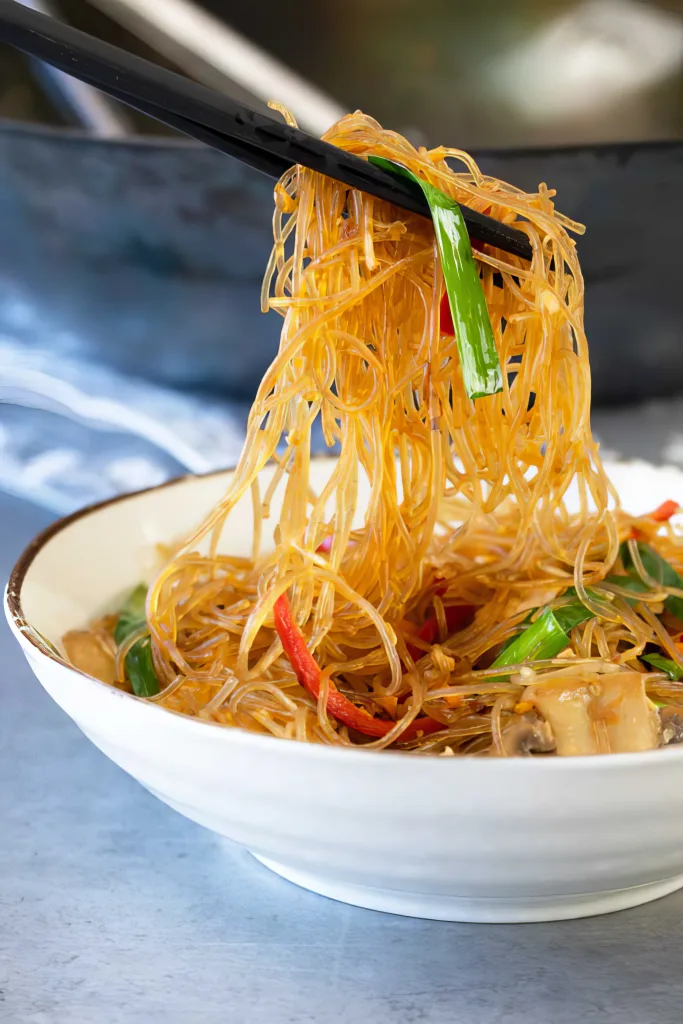
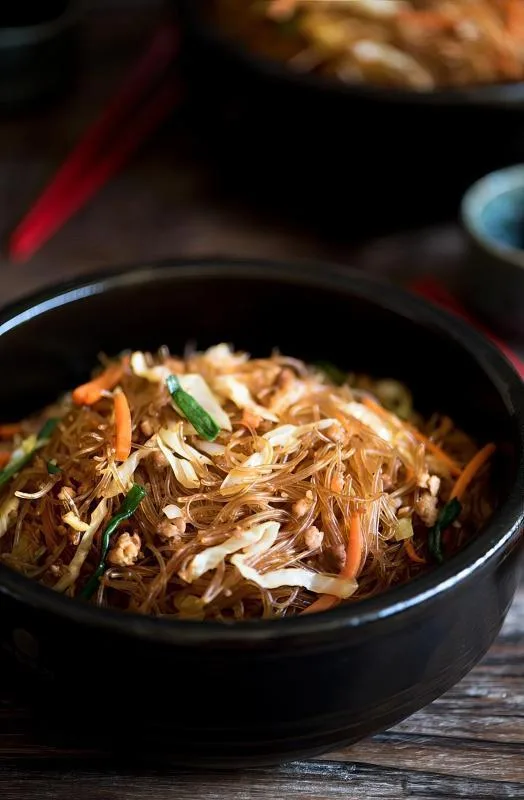
Glass noodles aren’t always transparent; their color depends on the starch used. The most common type comes from China and is made from mung bean starch. In Korea, sweet potato starch noodles dominate the market. Tapioca noodles are very popular in Vietnam, where they’re used in the central and southern Vietnamese crab and tapioca noodle soup (bánh canh cua).
Vermicelli
The term vermicelli covers a broad category of thin Asian noodles. The most popular type is rice vermicelli, known as bee hoon in Hokkien, mai fun in Cantonese, sen mee in Thai, kya zan in Burmese (where it often means glass noodles) and bún in Vietnamese.
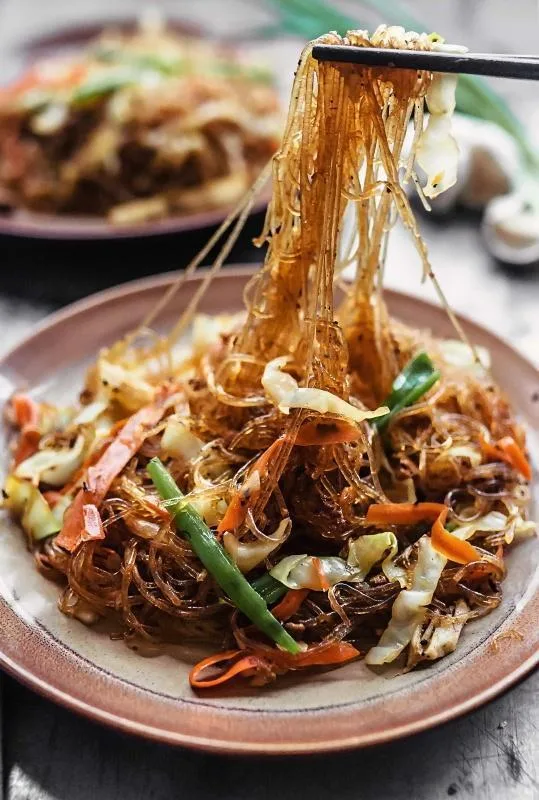
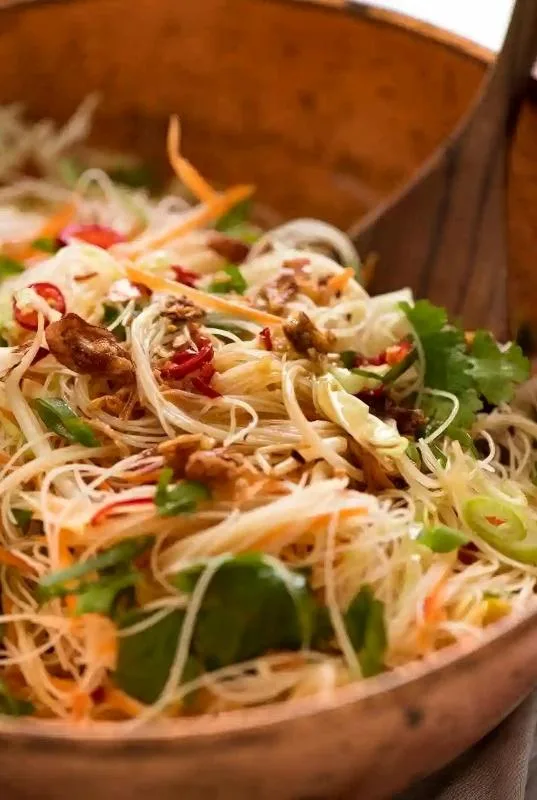
Because vermicelli describes size, not ingredients, you’ll come across different kinds of vermicelli that dominate regional and national markets. In China, you’ll find wheat vermicelli (misua) and various mung bean vermicelli. Thailand is famous for its mung bean glass noodles, woon sen.
Japanese and Korean Noodles
Chinese noodles spread to neighboring countries too, where they evolved into their own types with different textures and uses. Here are the best known, to round out the guide.
Ramen
Japanese ramen noodles became famous through ramen soup – an umami-rich broth full of protein, vegetables and seasonings. Ramen noodles are made from wheat flour, salt, water and kansui, an alkaline solution of sodium and potassium carbonate that sometimes also contains phosphoric acid.
Kansui gives ramen its characteristic yellow tint and sets it apart from other Japanese noodles. It also firms them up and stops them absorbing too much liquid, so they don’t go soggy in soup.
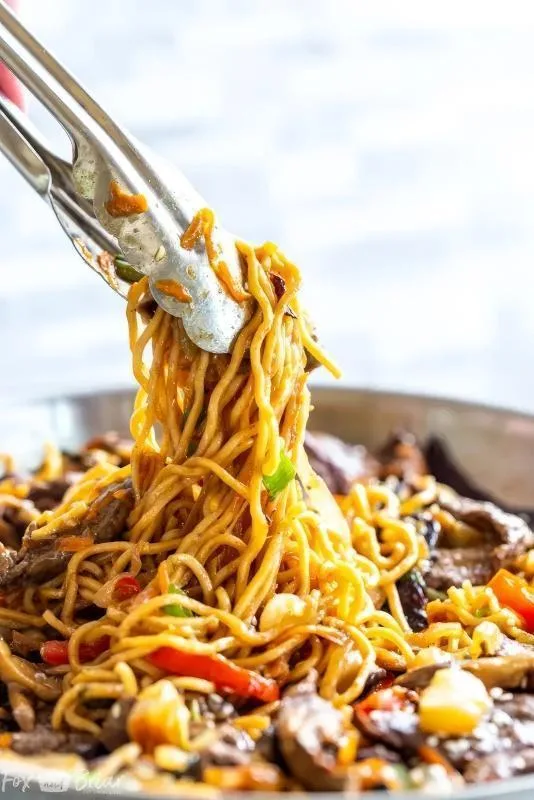
Texture plays a big part in enjoying ramen. Its firmness depends on its shape and how long it’s cooked, and each level has its own name: bari-yawa (extra soft), yawa (soft), futsuu (regular), kata-men (firm), bari-kata (extra firm) and harigane (extra-extra firm). The firmer the noodles, the chewier they are.
Udon
Udon are Japanese wheat noodles with a thick, chewy texture and a mild flavor. There are regional varieties that differ in thickness, smoothness and width, but all udon share a characteristic white color. You can buy udon fresh or dried. Dried udon usually resemble fettuccine in shape and size, while fresh udon tend to be rounder and plumper.
In some regions, though, udon are cut into unique shapes. In Aomori and Iwate prefectures, for example, they’re cut into distinctive triangles before going into mugi kakke soup. In Tochigi, udon are folded into ear shapes for mimi udon soup – in the city of Sano, it’s a traditional New Year dish. Legend has it that whoever eats the “ears” won’t hear anything bad all year.
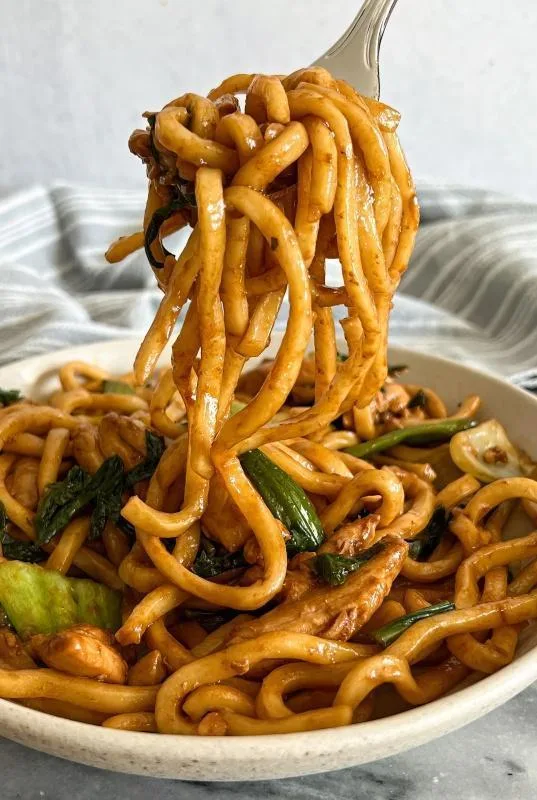
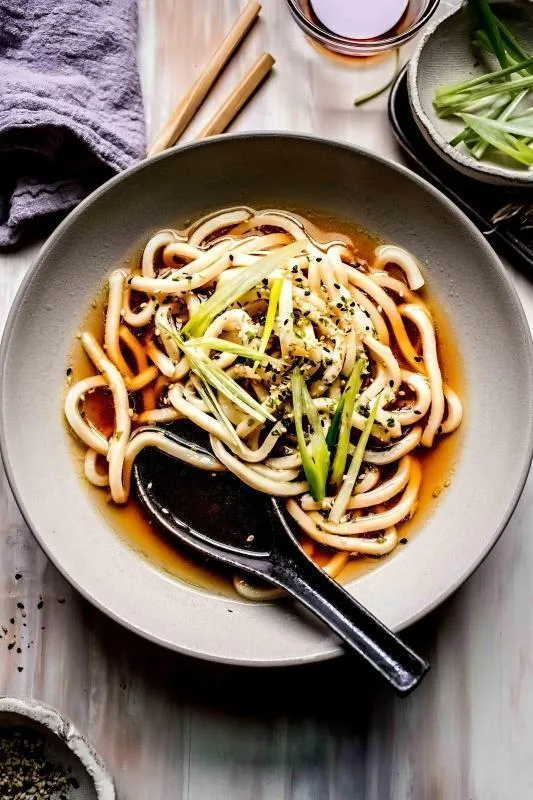
Udon are usually served in a hot broth and considered comfort food. They’re also used in Japanese curry, served cold with a dipping sauce and added to noodle salads. Popular toppings include scallions, crumbled seaweed and Japanese chili flakes. Udon have spread beyond Japan too, and their chewy texture means they’re sometimes used as a stand-in for thick wheat noodles in other Asian dishes – such as Korean jajangmyeon, which traditionally uses its own thick alkaline noodles.
Soba
Soba are Japanese noodles made from buckwheat flour and water (soba is the Japanese word for buckwheat). Many types include some wheat flour to make them sturdier. Pure buckwheat soba is called juwari soba, and 80% buckwheat soba is known as hachiwari soba. For real, good-quality soba, check the label and make sure they contain at least 70–80% buckwheat flour.
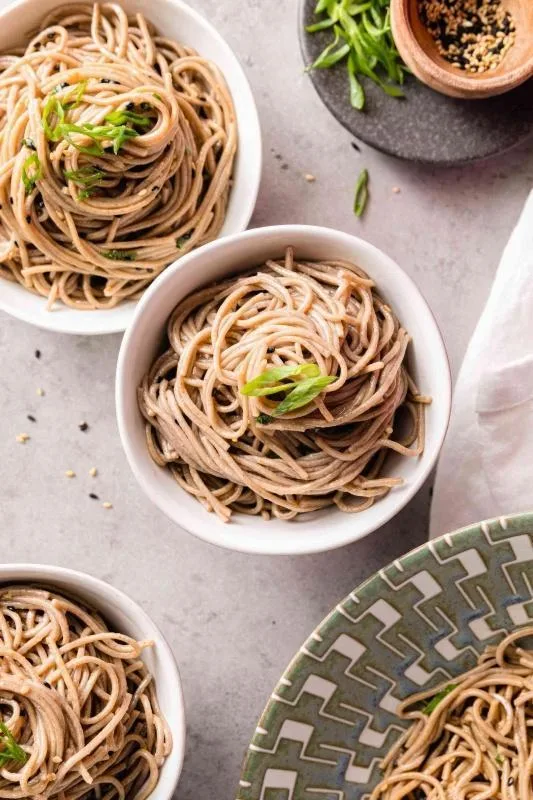
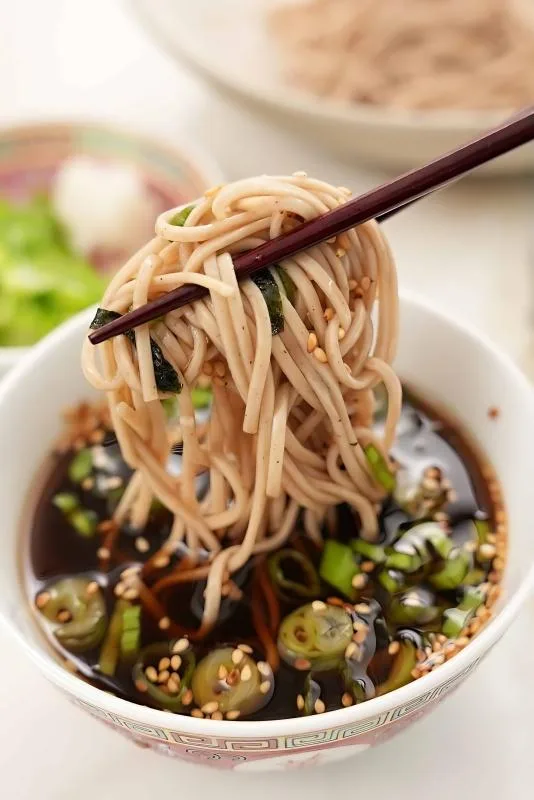
Soba contain more protein and fiber than other Asian noodles. They’re used in hot dishes, cold salads and broth-based soups. They’re an easy, tasty way to eat gluten-free – just make sure the noodles you’re using are 100% buckwheat (juwari soba).
Somen
Somen are delicate white Japanese wheat noodles made from fine wheat flour, salt and water. After the dough is hand-stretched into thin strands, it’s coated in vegetable oil to keep it from drying out too much. Because they’re so fine, somen cook in boiling water in under 3 minutes. They already contain salt, so don’t salt the cooking water. After cooking, rinse them in cold water to remove the oil.
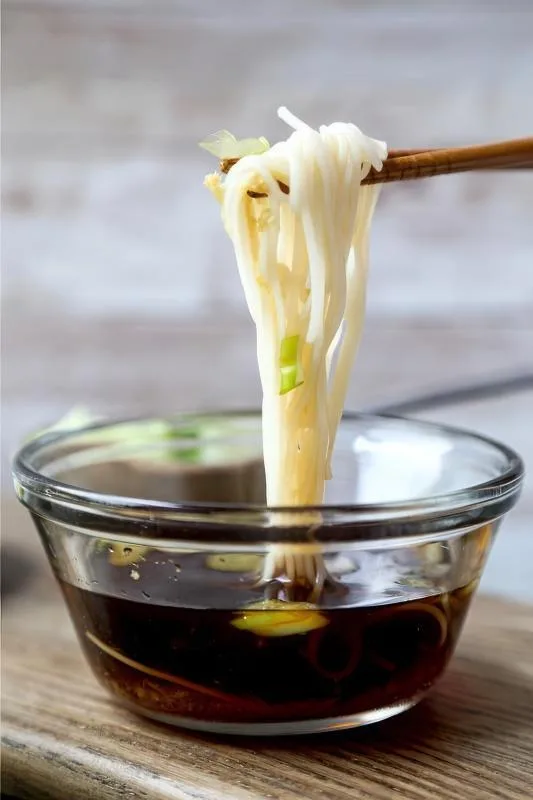
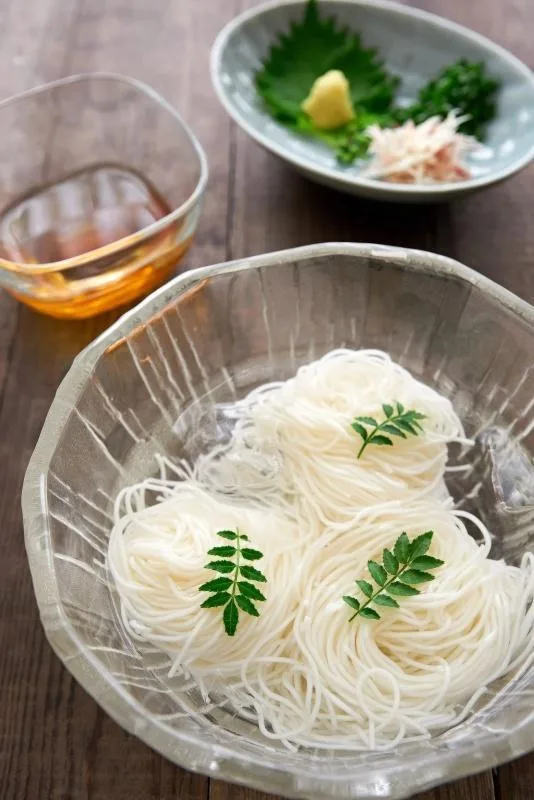
Japanese summers are humid, and cold somen are a favorite way to cool down. They’re dipped in tsuyu, an umami-rich sauce made from soy sauce, mirin, sake, dried seaweed and dried bonito flakes. Many restaurants offer an interactive way of serving them called nagashi somen, which became popular after the Second World War: the noodles are sent down a bamboo flume of running water, diners catch them with chopsticks and dip them in the sauce. In colder months, somen are served in hot soups and stir-fries.
Kalguksu
Kalguksu are Korean noodles made from wheat flour, water and egg, which differ from Chinese egg noodles in how they’re made. Korean cooks roll the dough into a thin rectangle and then cut it into ribbons with a knife – the name literally means “knife noodles.” Some versions add dried bean powder or mashed mung beans to the dough as a thickener.
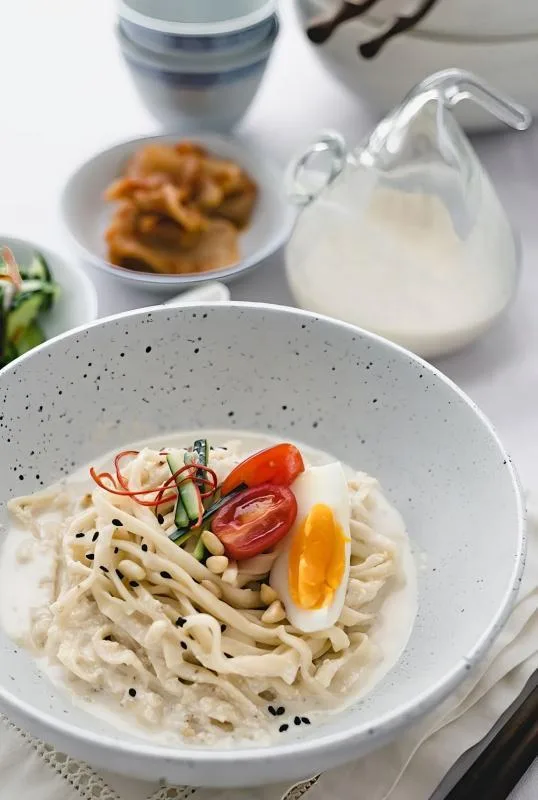
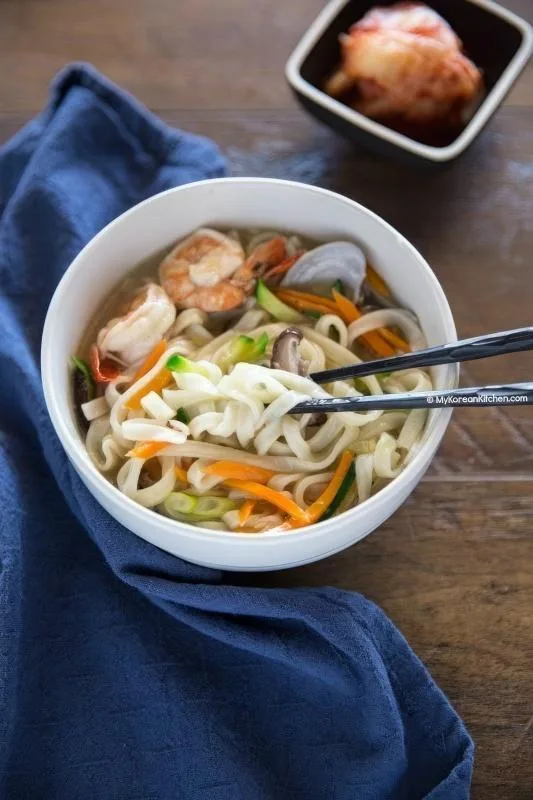
Kalguksu is traditionally considered a summer dish. It’s usually served in a large bowl with broth and other ingredients such as clams and vegetables. The traditional broth is made from clams, seaweed and dried anchovies, with chicken broth the second most popular choice. Cooks build a deep broth by simmering it slowly for hours. The noodles are either cooked in the broth with popular Korean vegetables such as zucchini, potatoes and scallions, or added at the end. This gentle soup is often served with kimchi for extra flavor.
Final Thoughts
Noodles are among the most rewarding things you can cook from Chinese cuisine at home – you don’t need any special equipment, just a pot, a pan and a few basic ingredients. Most types are easy to find in Asian grocery stores and larger supermarkets, so there’s practically nothing standing between you and a great bowl of noodles.
The easiest place to start is Chinese Fried Noodles (Chow Mein). If you want proper Sichuan heat straight away, try Dan Dan Noodles.