
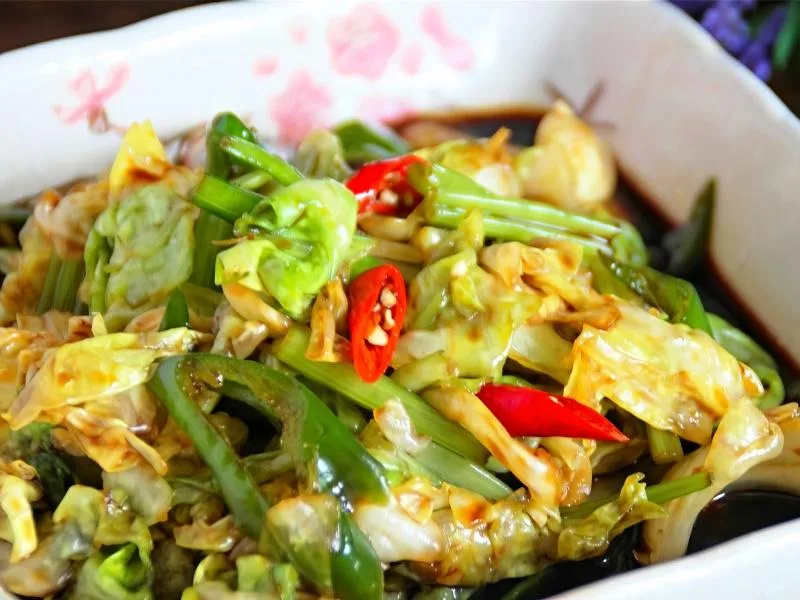
Chinese pickled cabbage, known in Chinese as pào cài (泡菜), is one of those humble but much-loved dishes found on family tables all over China. It’s traditionally served as a tangy, crunchy accompaniment to simple meals, and in restaurants it often arrives as a little appetizer while you wait for the main course. Pickled vegetables are an essential part of Chinese cooking.
Contents:
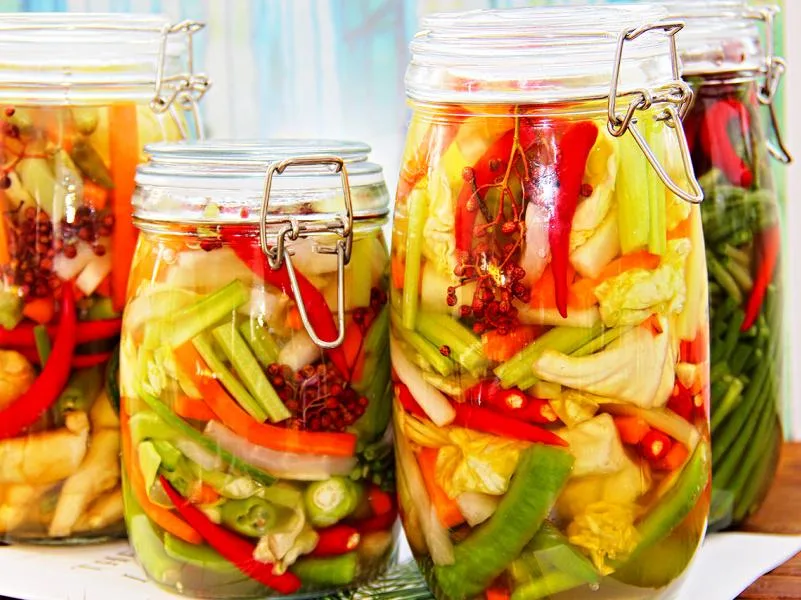
Pickling vegetables goes back to ancient times, when it was a way of preserving the harvest for winter. In the harsh climate of northern China, where fresh vegetables are hard to grow in winter, pickled cabbage became a valuable source of vitamins and nutrients.
Two Ways to Pickle
Traditional Sichuan pao cai is fermented: the vegetables sit in a salt brine with garlic, ginger, chilies and Sichuan pepper for days or even weeks in special water-sealed clay jars, slowly developing a deep, sour flavor. The recipe below takes a quicker route popular in Taiwan and in home kitchens everywhere – the cabbage is salted, then steeped in a sweet-and-sour rice vinegar brine in the fridge. It’s simple, but it still takes a little patience.
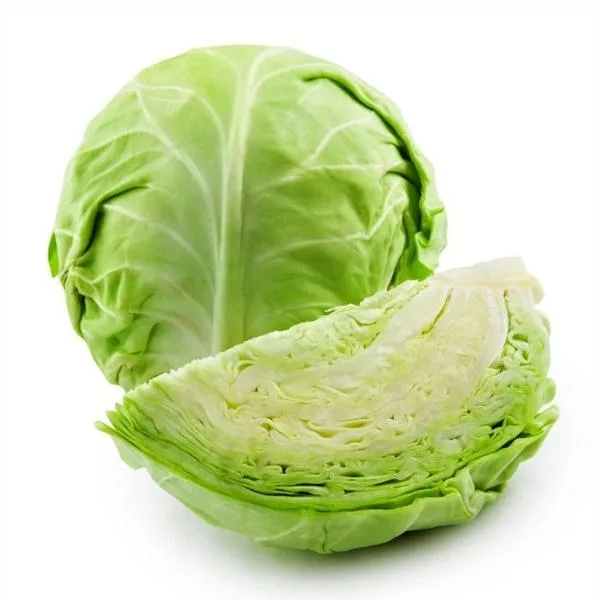
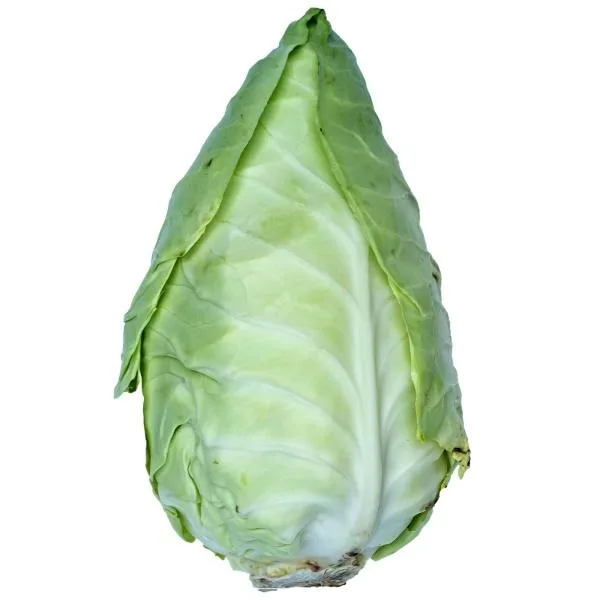
Pickling not only extends the shelf life of cabbage, it also gives you a crunchy, low-calorie side dish full of fiber and vitamins. Naturally fermented versions also contain live lactic acid bacteria, which are good for digestion.
Pickled Cabbage in the Kitchen
Pickled cabbage turns up in all kinds of Chinese dishes – soups, salads, fried rice and stir-fries. Its tangy flavor and crunchy texture add an interesting dimension and a refreshing contrast. It’s also often served as an appetizer or side dish to balance out richer main courses.
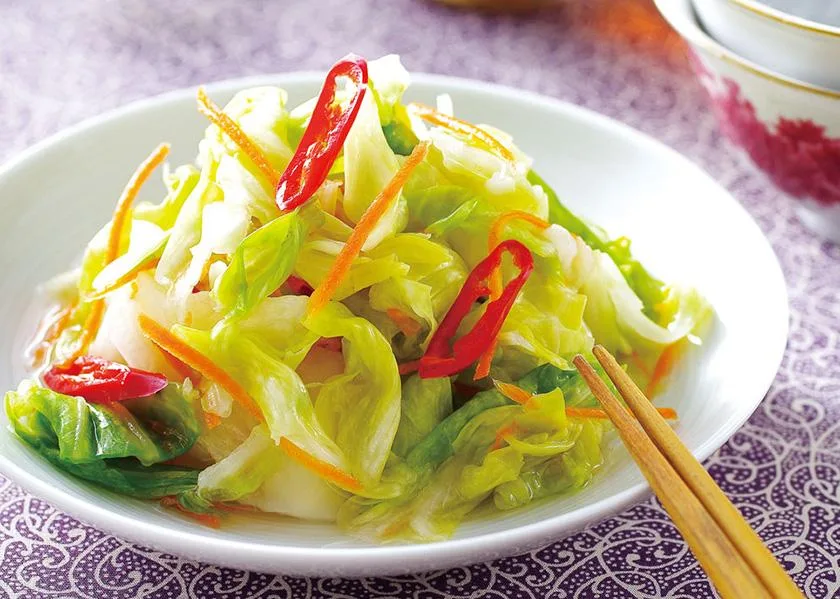
Pickled vegetables are also a popular souvenir from China. They’re sold in traditional ceramic jars at markets and specialty shops, and plenty of visitors bring some home as a taste of their trip.
Today, Chinese pickled cabbage is becoming popular outside China too. More and more restaurants and chefs are putting it on their menus and experimenting with it in different culinary styles.
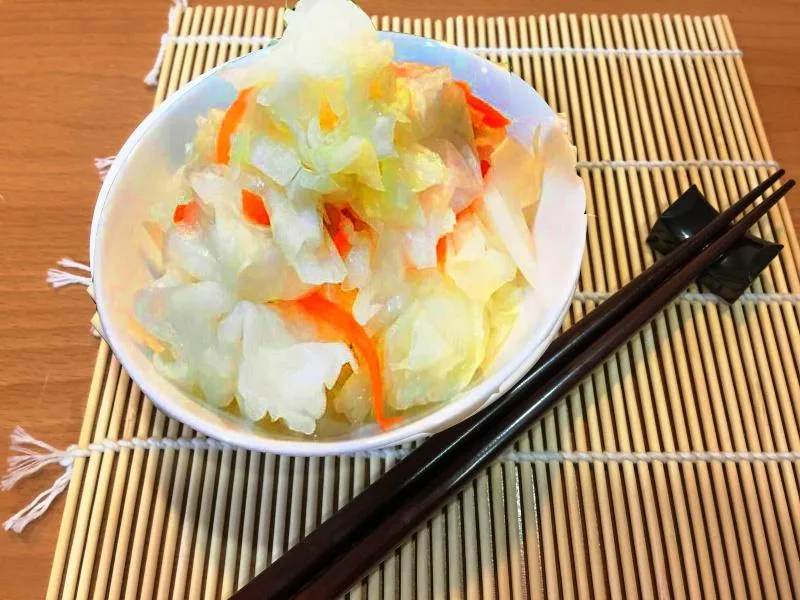
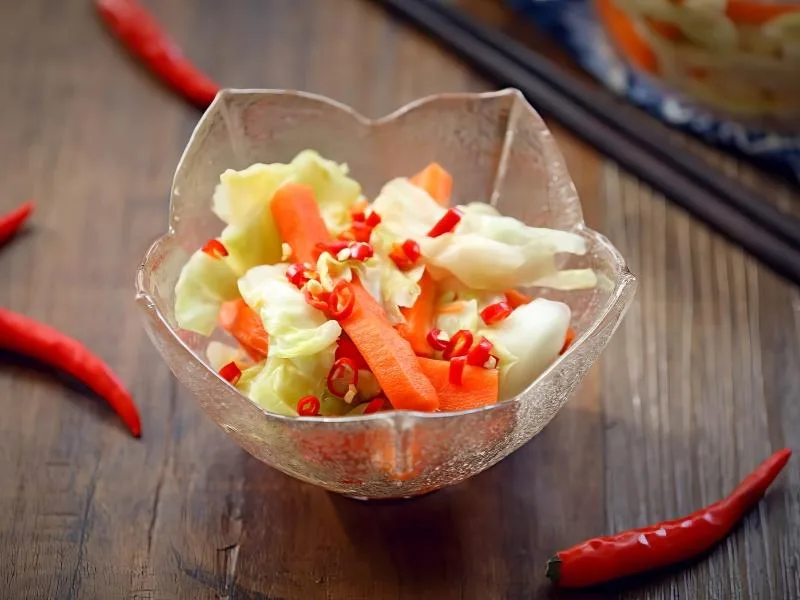
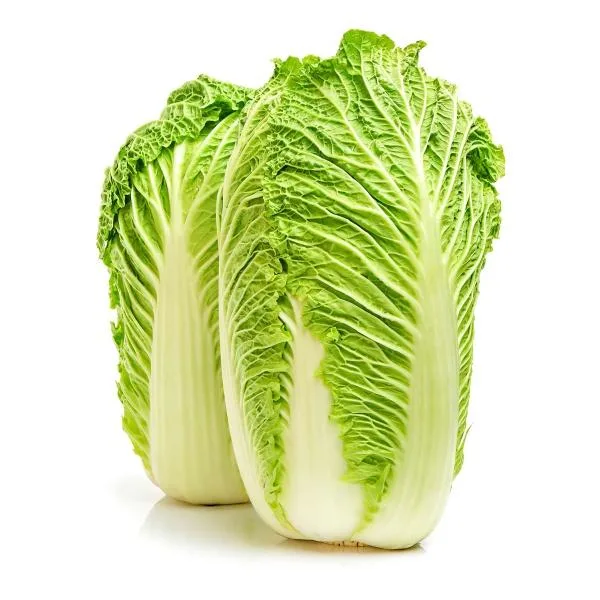
If you’re making it for the first time, start with napa cabbage. It pickles faster and has a milder flavor than regular green cabbage.
Tips
To speed things up, add a little brine from a previous batch. It noticeably shortens the time until the cabbage is ready.
You can use regular green cabbage or the more delicate napa cabbage.
White rice vinegar is traditional, but you can also use Chinese black vinegar or a combination of the two.
Don’t be afraid to experiment – there are countless variations of this dish.
Chinese Pickled Cabbage (Pào Cài 泡菜)
Ingredients
Pickling liquid
- 1½ cups rice vinegar 360 ml
- ½ cup water 120 ml
- ¾ cup sugar 150 g
- 1 tsp salt
- 3 cloves garlic crushed
- 4 red chilies optional
- 1 tsp Sichuan peppercorns optional
Vegetables
- 450 g cabbage about 1 lb, roughly half a small head
- 1 large carrot peeled
- 2 tbsp salt for salting the vegetables
Instructions
- Combine the rice vinegar, water, sugar, salt and chilies in a small saucepan. Bring to a boil over medium heat and simmer for 5 minutes, stirring occasionally, until the sugar dissolves. Taste the liquid with a clean spoon – simmer a little longer if you’d like it stronger. Remove from the heat and let it cool completely.
- Meanwhile, prepare the vegetables. Cut out and discard the cabbage core and tear the leaves into bite-size pieces. Slice the carrot into half-moons about ½ cm (¼ inch) thick.
- Put the cabbage, carrot and 2 tablespoons salt in a large bowl and toss with your hands to coat. Cover and leave at room temperature for 30 minutes to 1 hour (no longer than an hour).
- Drain off the salty liquid the vegetables have released. Rinse the vegetables twice under cold running water, drain well and squeeze out the excess water. Transfer to a large container or jar.
- Add the crushed garlic and Sichuan peppercorns (if using).
- Pour in the cooled pickling liquid and press the vegetables down so they’re submerged. It’s fine if a few pieces stick out – the vegetables will shrink and sink over time. Seal the container and refrigerate for 3 days.
- The pickles taste good after 1 day, but the full tang develops by day 3. Always use clean chopsticks or utensils when serving. They keep for 2–3 weeks in the fridge.