
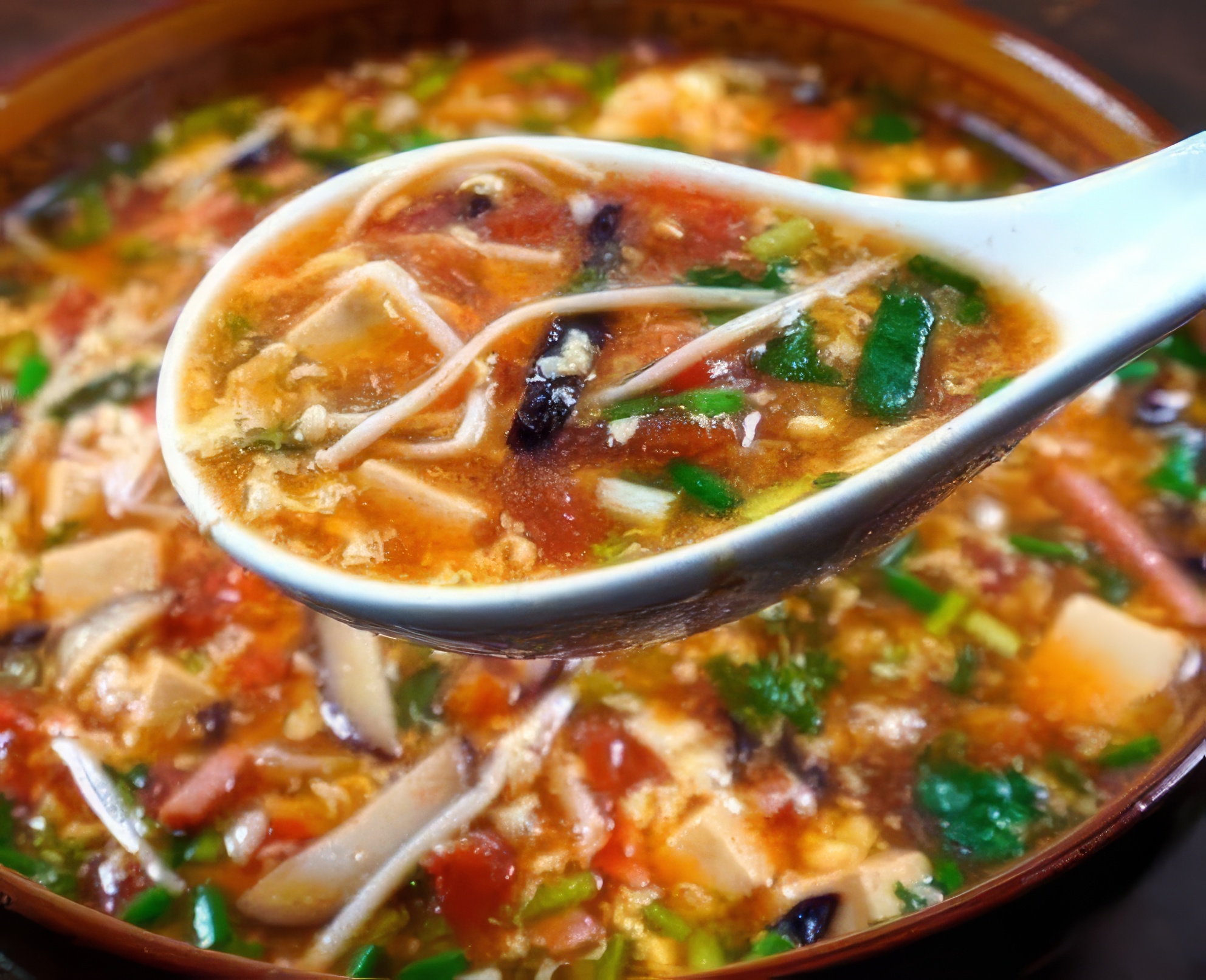
Hot and sour soup in restaurants ranges from wonderfully delicious to lukewarm, bland and gloopy. Make it at home and you’re in control of exactly how sour and how spicy it is. Both Beijing and Sichuan claim hot and sour soup as their own regional dish.
Contents:
There are many versions of hot and sour soup. The combination of vinegar, white pepper and sesame oil creates its iconic flavor. Chinese hot and sour soup usually contains meat and often includes ingredients such as dried lily buds, wood ear mushrooms, bamboo shoots and tofu, sometimes with pork blood tofu (血豆腐) added to the broth.
This Sichuan hot and sour soup recipe is very close to the original northern Chinese version, minus the blood tofu, which some people find a little too “exotic.” You can use either pork or chicken.
Ingredients
- 300 g (about 10 oz) pork tenderloin
- 1 tablespoon light soy sauce
- ½ teaspoon vegetable oil
- 200 g (7 oz) bamboo shoots
- 5 dried Chinese shiitake mushrooms (or button mushrooms)
- 5 dried wood ear mushrooms
- 1 carrot
- 3 slices ginger
- 250 g (9 oz) medium-firm tofu
- 1.5 liters (about 6 cups) chicken stock
- 2 tablespoons dark soy sauce
- 1½ tablespoons chili bean paste (doubanjiang)
- 2 teaspoons salt
- 2 teaspoons sugar
- 2½ tablespoons cornstarch
- 2 tablespoons water
- 2 eggs, beaten
- 2 tablespoons Chinese black vinegar
- 1 teaspoon ground white pepper
- 1 teaspoon toasted sesame oil
- Chopped cilantro, to garnish
There are two ways to prepare the meat:
You can put the whole piece of meat in boiling water and cook it until done. Take it out and keep the cooking water as stock for the soup. Put the meat on a cutting board and cut it into thin strips.
The second way is to cut the raw meat into thin strips and marinate them in the light soy sauce, oil and a little cornstarch. Small pieces of pork only need fifteen minutes. Marinating boosts the flavor, and the cornstarch makes the meat silky smooth.
Vegetarian? Simply leave out the meat and add a little more of the other ingredients.
How to Make Hot and Sour Soup
Shiitake mushrooms
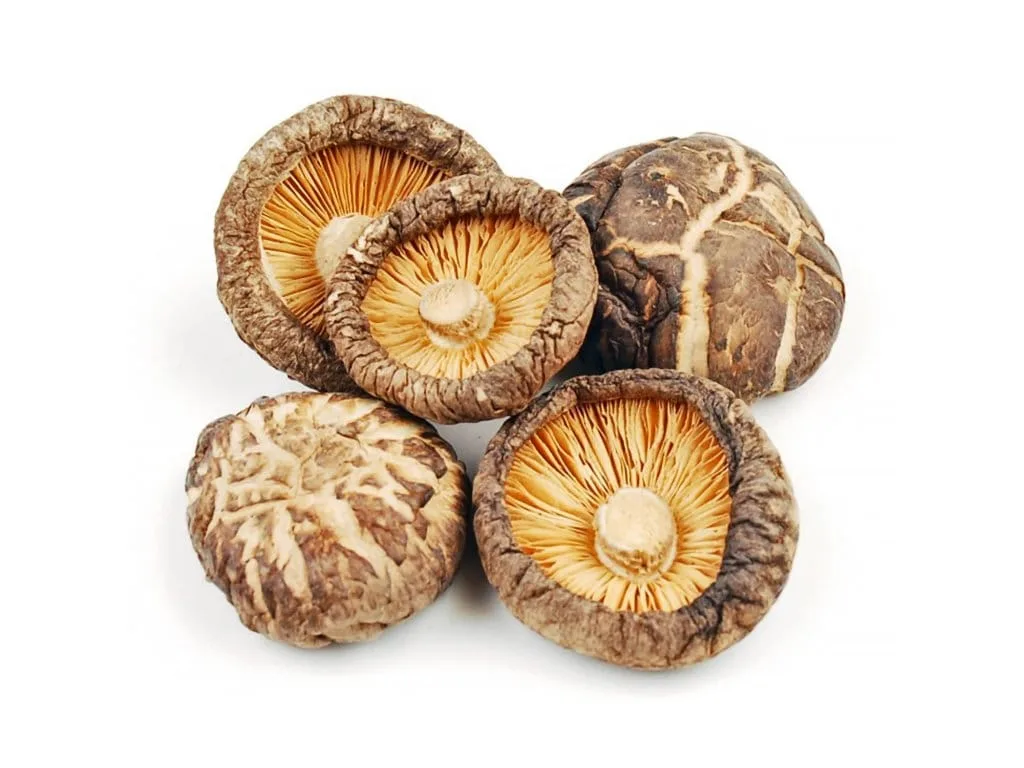
This Sichuan hot and sour soup calls for dried Chinese shiitake mushrooms. Soak them in water until fully rehydrated, very soft and easy to slice. This takes anywhere from an hour to two or three hours, depending on how thick they are. If you have time, soak them in advance or even overnight; otherwise use hot water to speed things up. Remove the stems, slice the caps thinly and set aside.
Tip
The mushroom soaking water is full of flavor – use it in the soup.
You can also substitute other mushrooms; button mushrooms are the best alternative.
Wood ear mushrooms
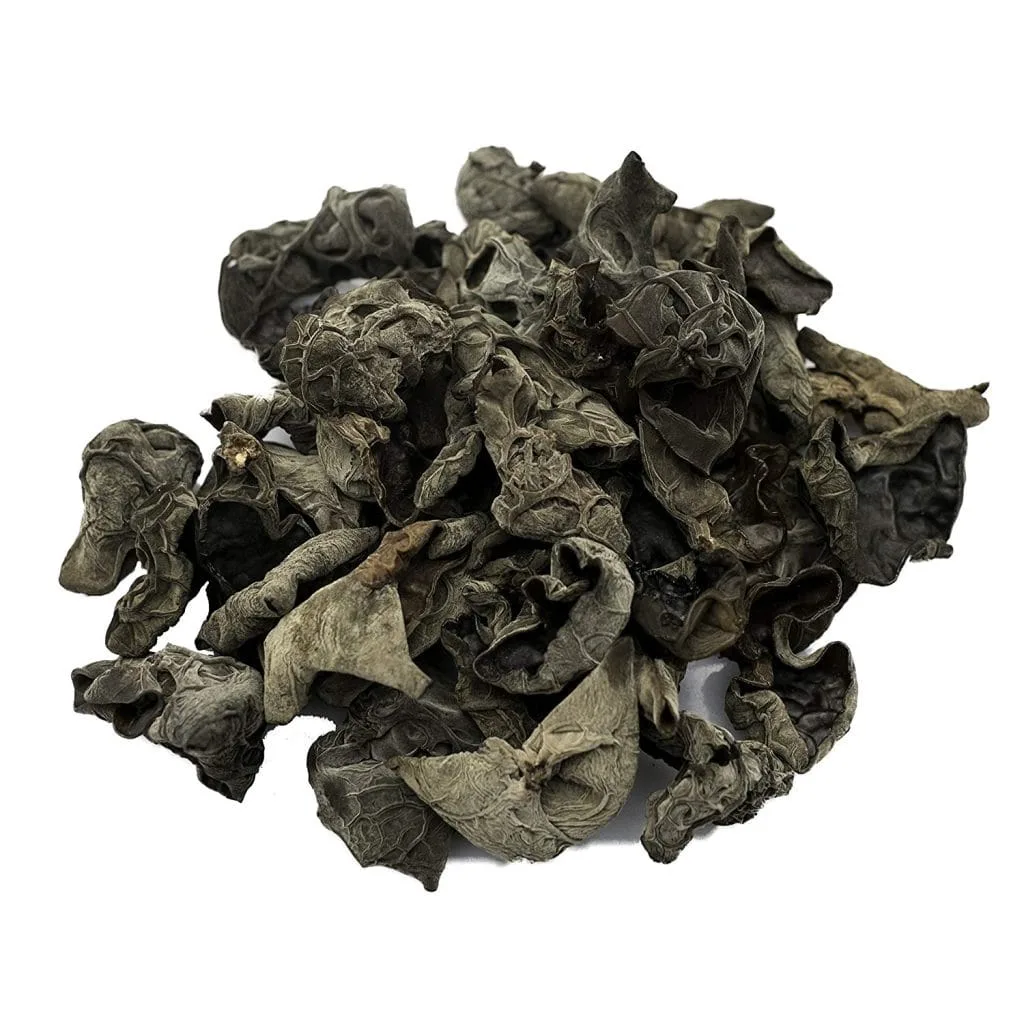
Wood ear mushrooms have a crunchy, slippery texture unlike anything else. Soak the dried mushrooms in water just like the shiitake. Once fully rehydrated, they’ll swell and soften. Trim off the hard center, cut into thin strips and set aside.
Bamboo shoots
An essential ingredient in hot and sour soup. Slice them thinly – they’ll be crunchier if you cut them lengthwise rather than across.
Tofu
The ideal tofu for this soup is soft, but it can be tricky to handle. Slice it, then cut into thin strips. Set aside on a plate. Add the tofu only after all the other ingredients (except the egg) are cooked, because it breaks up easily.
Carrot
A little carrot adds color. Since everything else is cut into strips, cut the carrot into thin strips too.
Ginger
Add a few slices of ginger to the soup for extra flavor. We only want its aroma, so remove it once the soup is cooked.
Bring the stock to a boil. Cook the marinated meat for half a minute, then add the sliced mushrooms, bamboo shoots, carrot, tofu and ginger and cook for two minutes.
Dark soy sauce
A small amount of dark soy sauce darkens the soup. Once you add the dark soy sauce and chili bean paste to the broth, it takes on the classic hot and sour soup color.
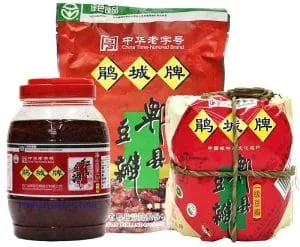
Chili bean paste (doubanjiang 豆瓣酱, also sold as toban djan)
An easy way to add Sichuan flavor to any dish. Some people leave it out and add a little chili oil instead, which brings chili heat and creates the characteristic red tint of Sichuan hot and sour soup.
Cornstarch slurry
Cornstarch thickens the soup and gives it a smooth mouthfeel. Mix the cornstarch with the water and add as much of the slurry as you need to reach the consistency you like.
Egg
Pour the beaten egg into the soup from a height in a slow, circular stream. Wait a second or two, then gently push through the egg threads with a ladle so they break into short ribbons. Don’t stir too much.
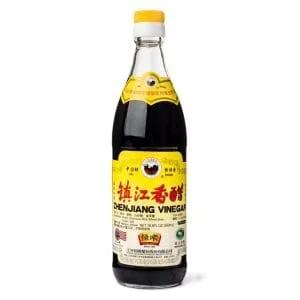
Zhenjiang vinegar (Chinkiang vinegar)
The sourness comes from vinegar. Zhenjiang vinegar (zhènjiāng xiāngcù, 镇江香醋) is the best choice for this soup; Zhejiang red vinegar (浙醋) is an alternative. Add the vinegar only at the very end, because it loses its flavor with long cooking.
Ground white pepper
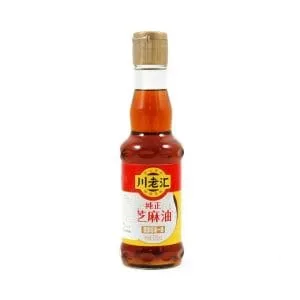
The heat of this soup comes from pepper, not chili. Use ground white pepper, not black. White pepper turns bitter if heated too long, so add it together with the sesame oil right at the end.
Sesame oil
In the last step, add a teaspoon of toasted sesame oil. We want the soup to have that sesame aroma, so don’t swap it for any other oil.
You can vary the soup, too. Use scallops or shrimp instead of pork, make it with chicken, or leave out the meat entirely for a vegetarian version.