
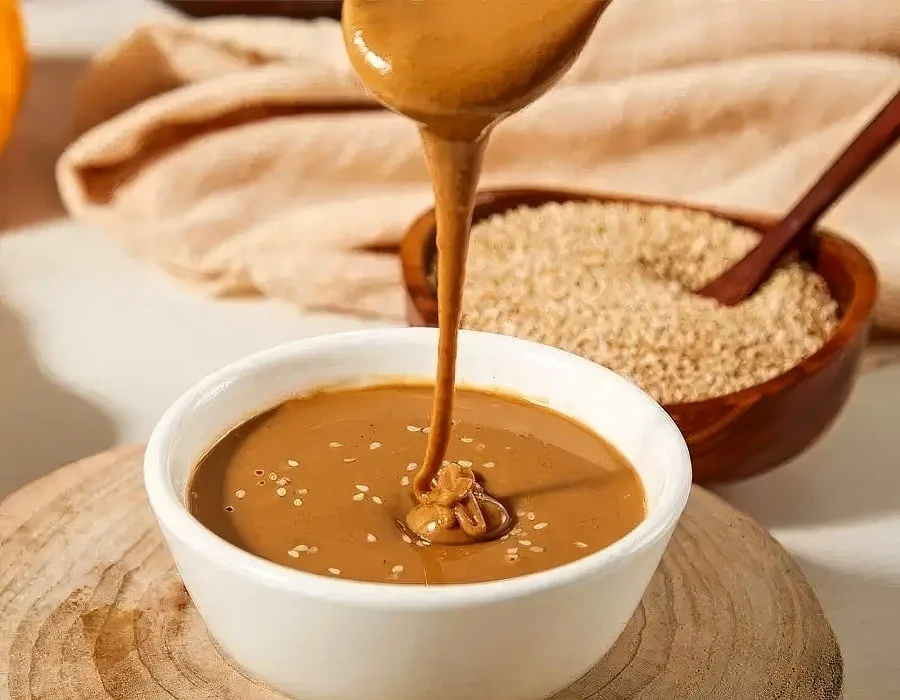
Sesame paste, known in Chinese as “zhīmá jiàng” (芝麻酱), is one of the most iconic ingredients in Chinese cooking. At first glance it may look like Middle Eastern tahini, but it has its own distinct character – in flavor as well as in how it’s used. It’s deeply rooted in Chinese culinary tradition, and its versatility makes it an essential pantry item for anyone who wants to cook Chinese food properly.
Contents:
What Is Chinese Sesame Paste?
Sesame paste is part of many cuisines around the world, including Chinese. It’s simply sesame seeds ground into a smooth paste. There are two main types:
Chinese sesame paste (芝麻酱, zhīmá jiàng): Made almost exclusively from unhulled, deeply toasted sesame seeds, which gives it a darker color and a deep, intense nutty flavor.
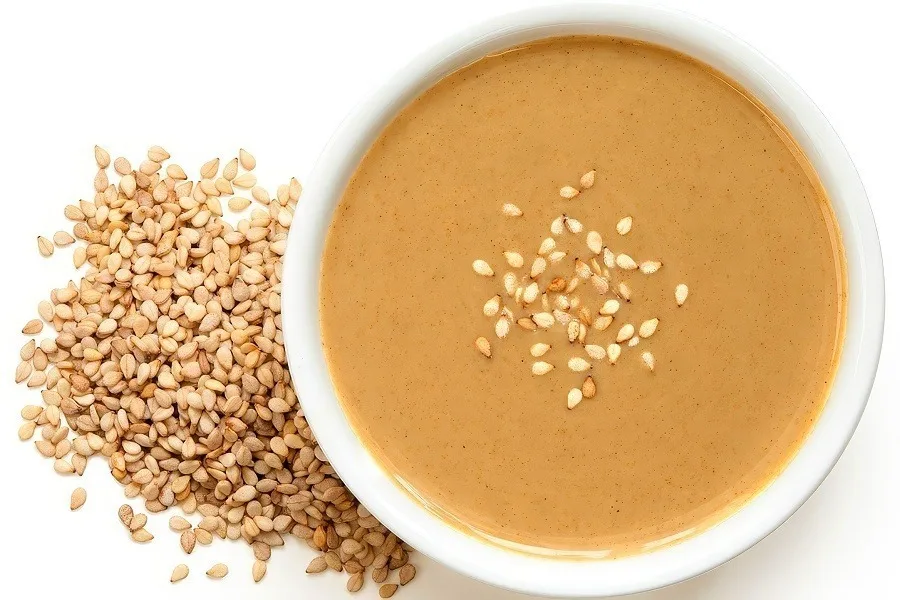
Tahini (common in the Middle East and the Mediterranean): Usually made from hulled, lightly toasted or raw sesame seeds, with a pale color and a milder flavor.
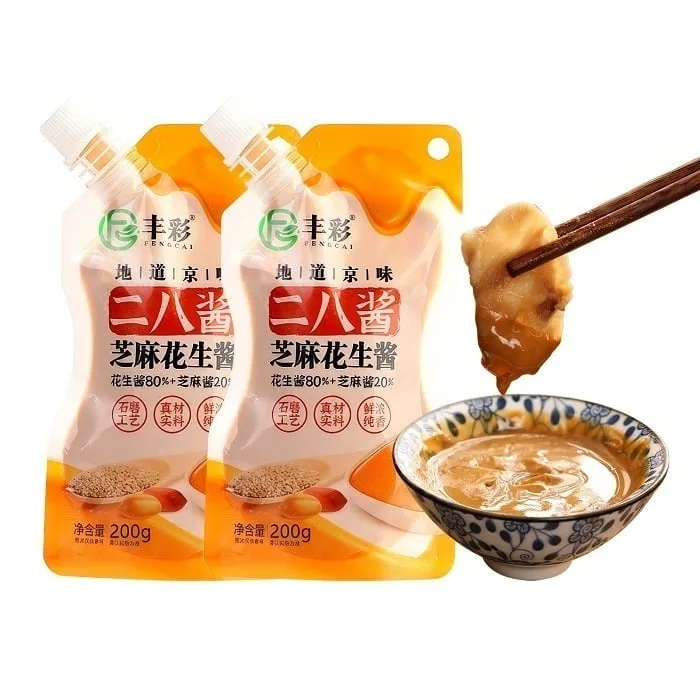
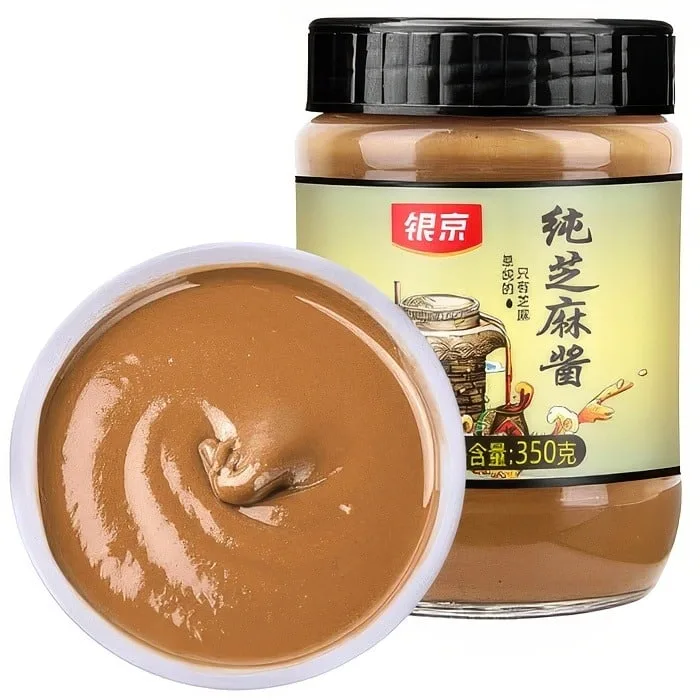
Although tahini can stand in for Chinese sesame paste, the result will taste different. The Chinese paste is thicker, with a deeper, roasted flavor. In traditional Chinese cooking it’s considered a key ingredient for getting dishes to taste the way they should.
The History of Sesame Paste in China
Sesame probably came to China via the Silk Road, originally from India or the Middle East. The earliest records of its use go back to the Han dynasty (206 BC – AD 220), when sesame seeds were pressed for oil. Sesame paste itself appeared in Chinese cooking later, especially during the Tang dynasty (618–907), when it became part of festive dishes and traditional recipes.
Over time, sesame paste found its place in regional cuisines such as those of northern China, Beijing and Sichuan. In Beijing, for example, sesame sauce is an essential part of hot pot dips and cold sesame noodles, and the Sichuan dish málà tàng (麻辣烫) is often finished with it in northern China.
In northern China, sesame paste is a favorite for making sauces, especially for noodles or as a dip for boiled meat and vegetables. In Sichuan, by contrast, it’s a key component for balancing spicy, sweet and salty flavors.

Dan dan noodles (担担面): Spicy noodles dressed with a sauce of sesame paste, chili oil and soy sauce.
Hot dry noodles (Rè Gān Miàn 热干面): Noodles coated in a thick sesame sauce, then topped with vegetables and spicy seasonings.
Strange flavor chicken (Guài Wèi Jī Sī 怪味鸡丝): A classic cold Sichuan chicken dish with an unusual name. The “strange flavor” (guài wèi 怪味) sauce gets its nutty character from sesame paste and sesame oil.
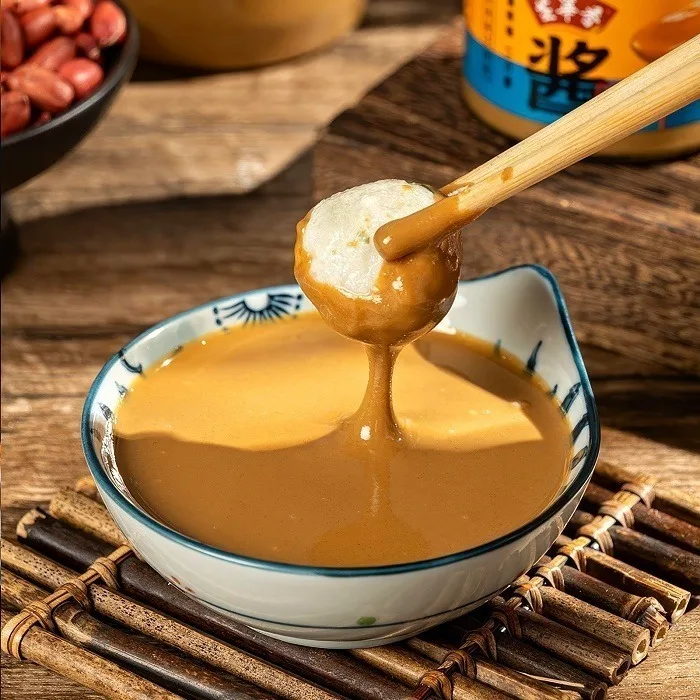
Hot pot dip: A mix of sesame paste with fermented tofu, soy sauce and a little sugar is a popular dip for meat and vegetables at hot pot.
Dumplings (饺子, jiǎozi): Sometimes used as a dip for boiled or pan-fried dumplings.
How Is Sesame Paste Made?
Making sesame paste isn’t complicated, but attention to detail is the key to success. The process looks like this:
- Choosing the seeds: Good-quality sesame seeds are the foundation. Chinese cooks often prefer black sesame for a more intense flavor, but white sesame is common too.
- Toasting: The seeds are toasted over medium heat until golden brown and nutty-smelling.
- Grinding: The toasted seeds are ground into a smooth paste in a stone mill or a blender.
- Seasoning (optional): Sesame oil or salt is sometimes added for a fuller flavor.
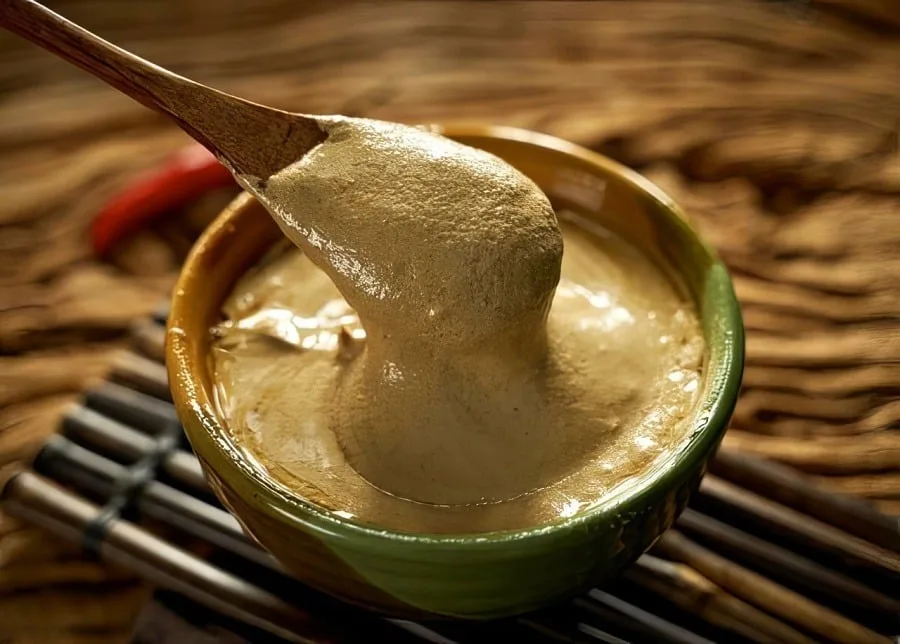
Stir sesame paste well before using it, because the oil can separate. Store it in the fridge to keep it fresh. If you make your own, blend it until truly smooth so it mixes easily with other ingredients.
What Can You Use Instead of Chinese Sesame Paste?
If you don’t have Chinese sesame paste on hand, there are several alternatives, depending on the dish. None of them will match the flavor of Chinese sesame paste exactly, but some come close or offer an interesting variation.
The closest option is tahini, which has a similar texture but a milder flavor, since it’s made from lightly toasted or raw seeds. For a more pronounced nutty aroma, add a few drops of toasted sesame oil, or toast the tahini lightly in a pan.
Another option is smooth peanut butter, which works especially well in spicy dishes such as noodles or dips. It’s sweeter and has a distinctly peanutty flavor of its own, but mixed with toasted sesame oil and a little soy sauce it makes a tasty variation. For sweeter recipes, you can use almond butter, which has a mild flavor and rich texture – great for desserts or creamy sauces.
If you want an intense sesame aroma, try ground black sesame mixed with a little oil into a paste similar to the original. And although it doesn’t have the texture of a paste, toasted sesame oil can add a lot of that characteristic flavor.
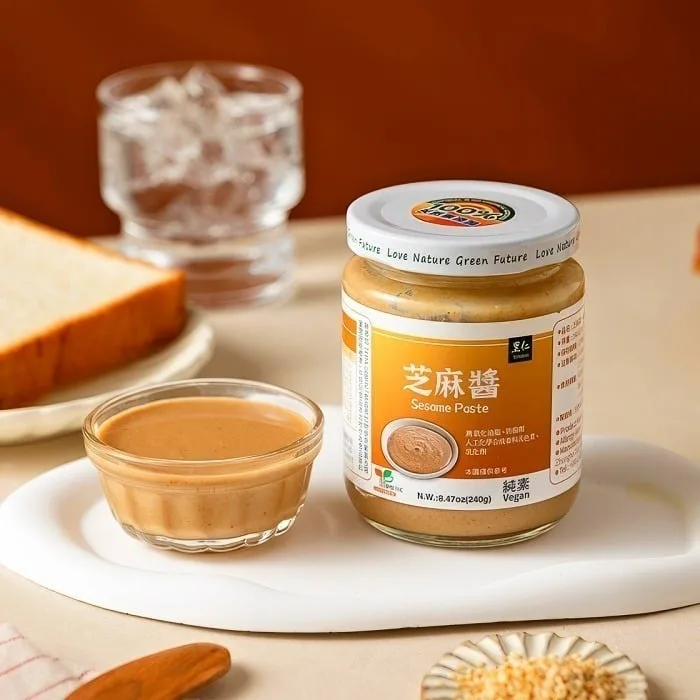
Each of these has its quirks, so choose the alternative to suit the dish. Tahini and peanut butter are ideal for savory dishes, while almond butter and ground black sesame work well in desserts. Still, if you want the real thing, I recommend getting proper Chinese sesame paste – its deep toasting makes it unmistakable. Look for it at Asian grocery stores or online, labeled “Chinese sesame paste” or “zhi ma jiang.”
How to Choose and Store Sesame Paste
When buying sesame paste, look for quality. Good Chinese sesame paste is dark and smooth, without lumps. Keep it in the fridge, where it will last for several months.
Sesame paste is one of those ingredients that can turn even a simple dish into something special. Its deep, nutty flavor and silky texture make it irreplaceable not only in Chinese cooking but in kitchens around the world. Whether you use it in spicy sauces, sweet dishes or simply as a dip, sesame paste always adds a distinctive character.
Chinese Sesame Paste (Zhīmá Jiàng 芝麻酱)
Ingredients
- 200 g sesame seeds about 1⅓ cups; white or black, unhulled
- 2-3 tbsp sesame oil see notes
- pinch of salt optional
Instructions
- Toast the sesame seeds in a dry pan over medium heat, stirring, until fragrant and lightly browned. Be careful not to burn them.
- Let the seeds cool, then blend them in a blender or food processor into a paste.
- Gradually add the sesame oil and keep blending until you reach the consistency you want.
- Add a pinch of salt to taste, if you like.
Notes
- Stir the sesame paste well before using it, because the oil can separate.
- Store it in the fridge to keep it fresh.
- Blend the seeds until truly smooth, so the paste mixes easily with other ingredients. This can take several minutes; scrape down the sides as you go.
- Toasted sesame oil gives the deepest flavor. If you find it too strong, use part toasted sesame oil and part neutral oil.