
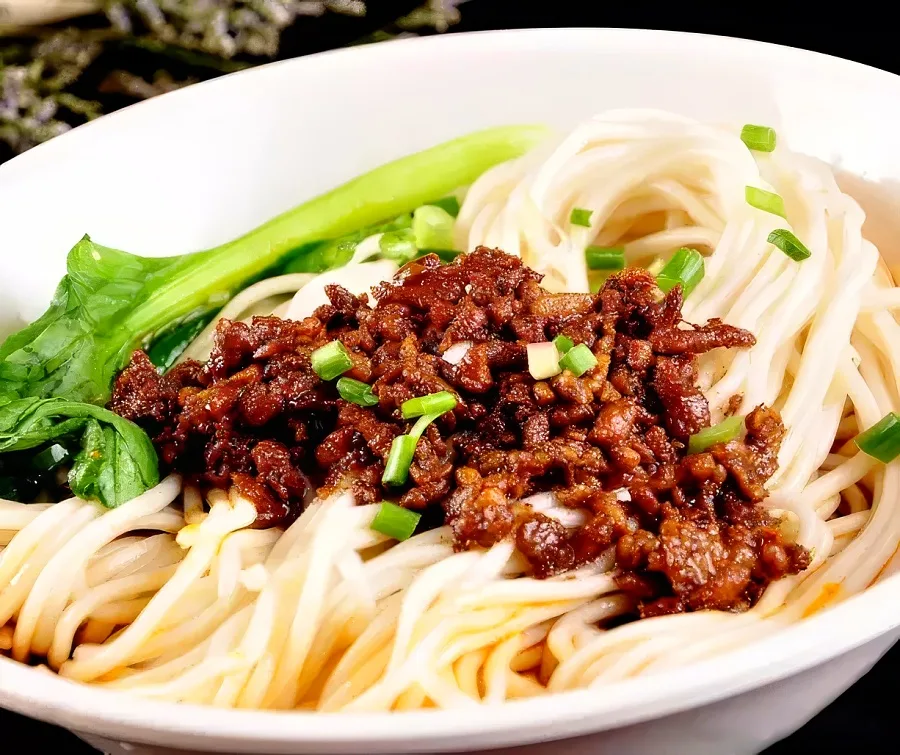
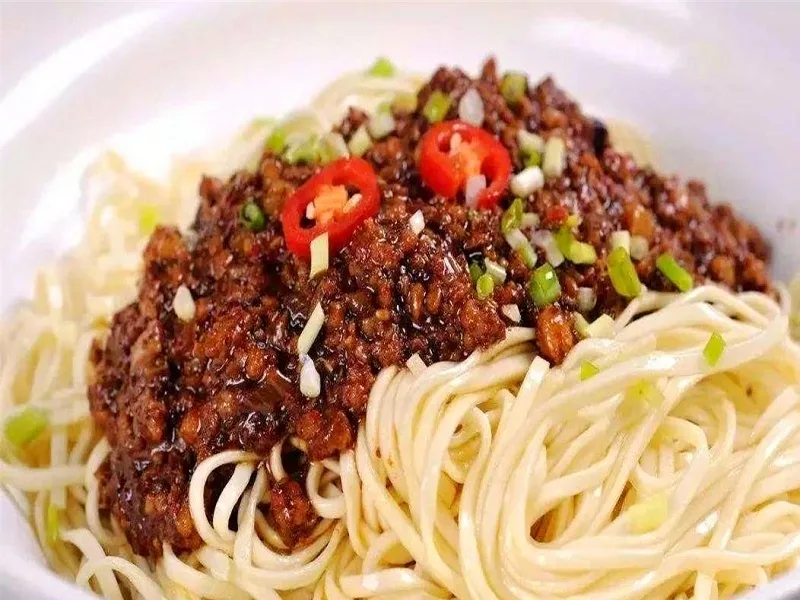
Zhá Jiàng Miàn (炸酱面) are Beijing noodles topped with a thick, fermented pork-belly sauce – one of the best-known dishes of northern Chinese cooking. The name literally means “fried sauce noodles,” and that sums up their character perfectly: a bold, salty, umami-rich sauce served with fresh vegetables and chewy wheat noodles.
Contents:
It’s a hearty dish with a long history and real cultural weight – in Beijing they say that if you haven’t eaten Zhá Jiàng Miàn, you haven’t really been to Beijing.
History and Origins
The Qing Dynasty and the Birth of the Dish
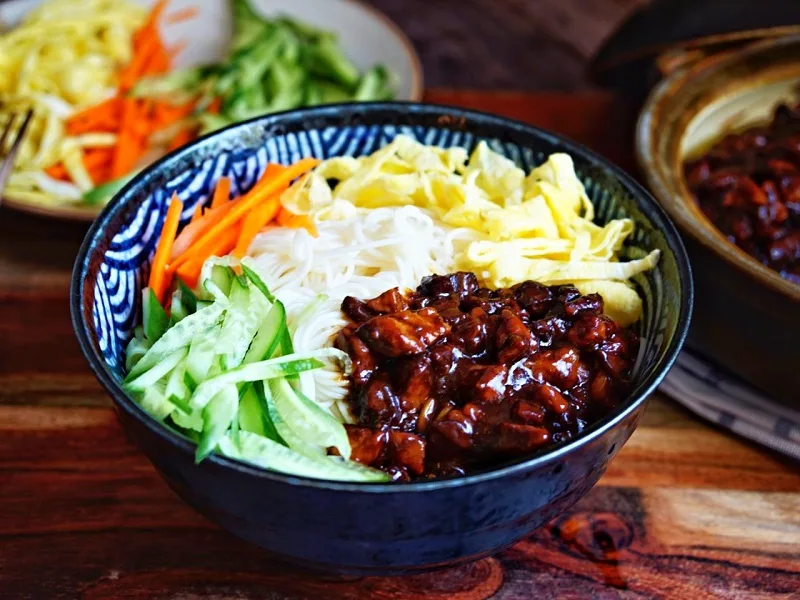
Zhá Jiàng Miàn first appeared during the Qing dynasty (1644–1912) in Beijing, then the imperial capital. It was popular with ordinary people thanks to its simple preparation and affordable ingredients – above all wheat noodles, which are a staple in northern China, unlike the rice noodles that dominate the south.
The sauce was originally made with 黄酱 (Huángjiàng), a fermented soybean paste from Shandong province (山东), which is famous for its fermented soy products. Under the Manchu Qing dynasty, Manchu and Chinese cooking traditions blended at the imperial court – and thick, salty sauces and pork belly remain the backbone of this dish to this day.
Spreading Across China
As Beijing grew into a cultural and commercial center, Zhá Jiàng Miàn spread across northern China, especially to Hebei and Shandong provinces, where local versions developed with lighter soybean paste and more vegetables.
After the founding of the People’s Republic of China in 1949 and during the Cultural Revolution (1966–1976), the dish became even more popular as an affordable, nourishing meal – cheap, filling and quick to make.
The Korean Version: Jajangmyeon (자장면)
The dish’s influence reached well beyond China. It arrived in Korea in the early 20th century with Chinese migrants from Shandong who settled in the port city of Incheon. There it adapted to local tastes, and the Korean version, Jajangmyeon (자장면), was born – made with a sweeter, darker paste called Chunjang (춘장).
Today Jajangmyeon is an essential part of Korean culture and is tied to Black Day (블랙데이) – a day when single people mark their status by eating this black-sauced noodle dish.
The Two Key Pastes: What You Need to Know
Fermented soybean pastes are the heart of Zhá Jiàng Miàn. Two varieties are most commonly used – each with its own flavor profile and history.
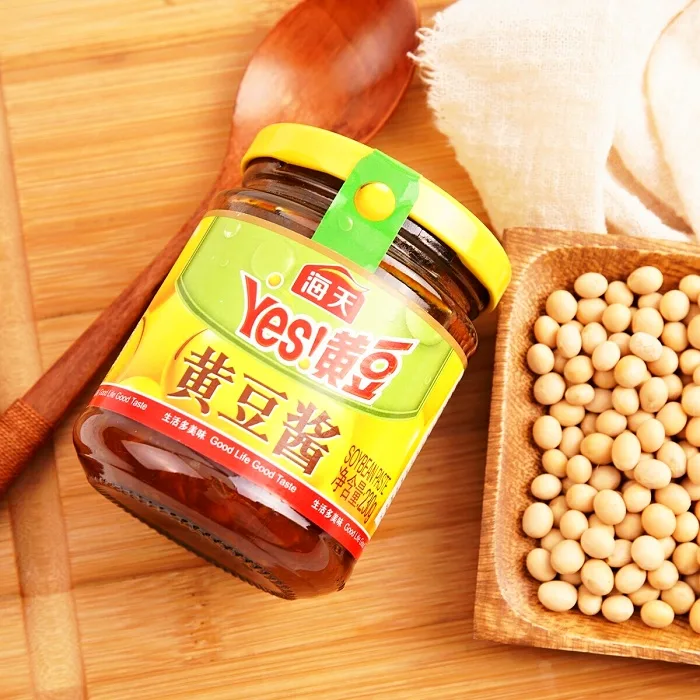
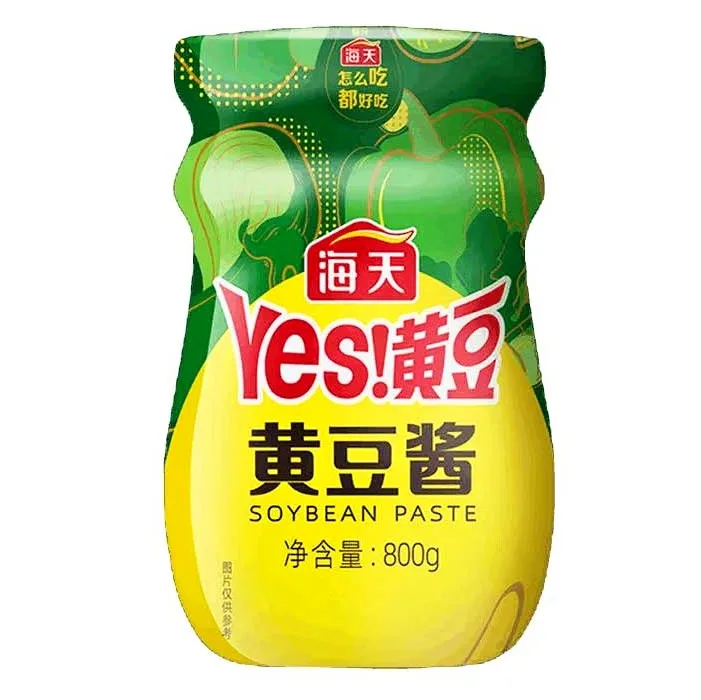
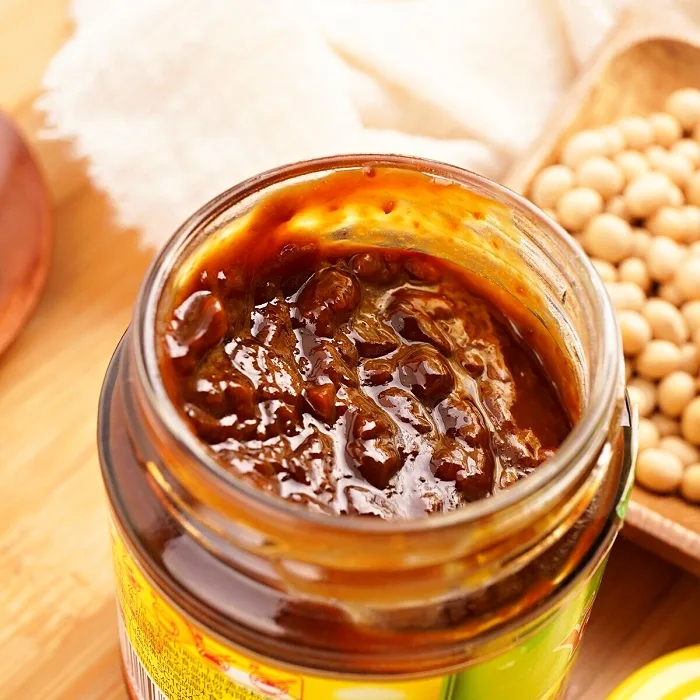
黄酱 (Huángjiàng) – Yellow Soybean Paste
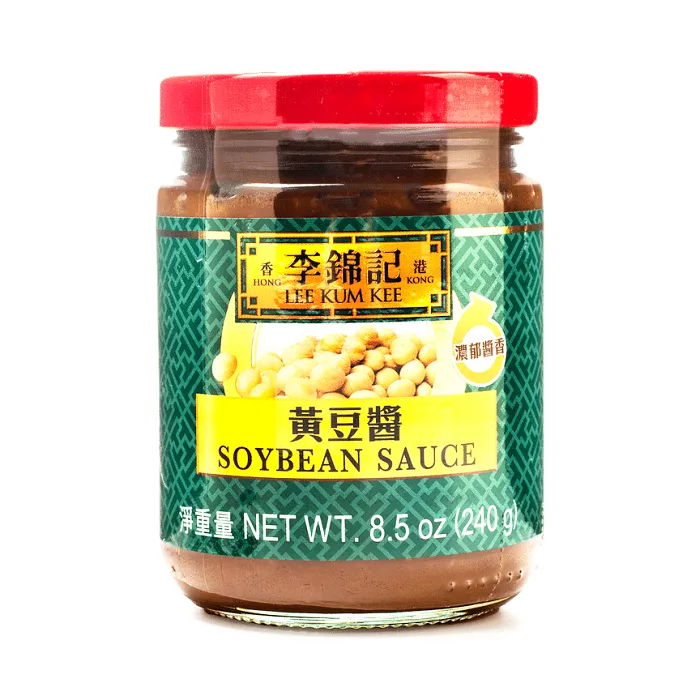
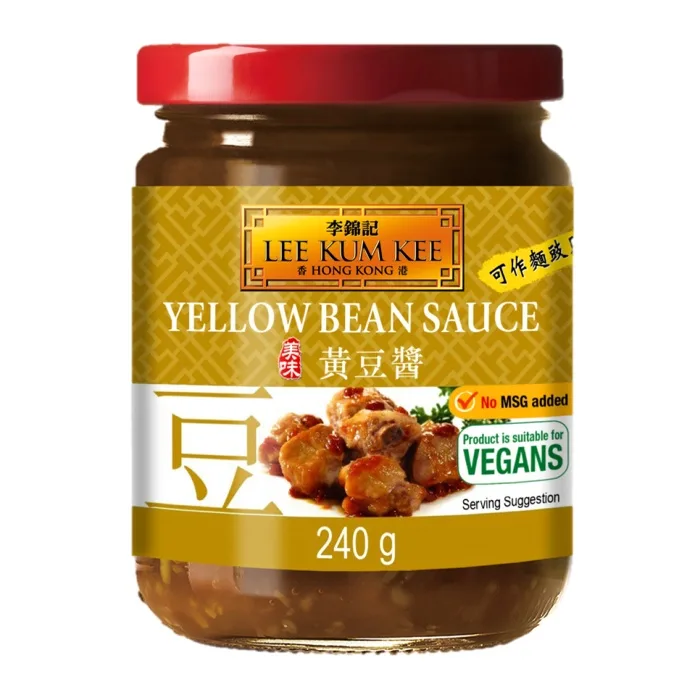
Huángjiàng literally means “yellow paste.” It’s made from fermented soybeans, salt and water, and has a salty, deeply umami flavor. It comes from Shandong province, where it has been used for centuries – and it’s the backbone of traditional Beijing Zhá Jiàng Miàn, giving the sauce its dense saltiness and depth.
At Asian grocery stores or online, look for it as Yellow Bean Paste or Shandong Yellow Soybean Paste.
甜面酱 (Tiánmiànjiàng) – Sweet Bean Sauce
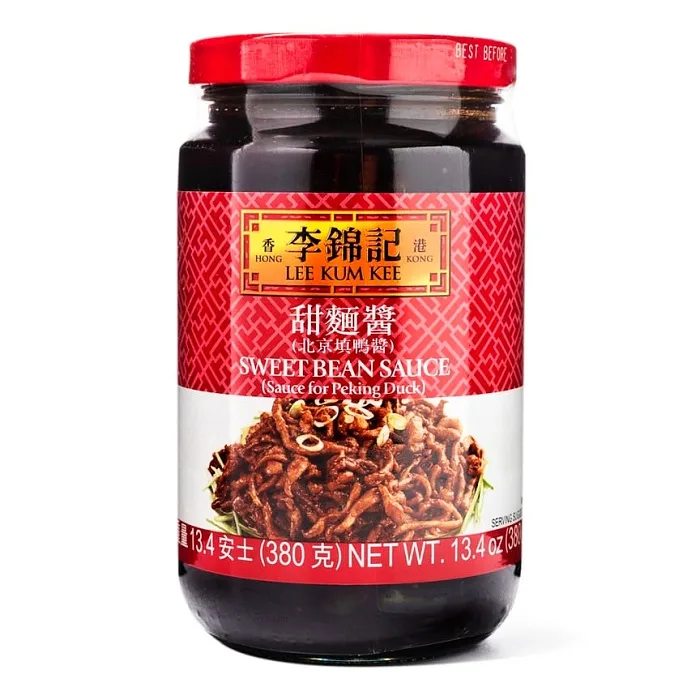
Tiánmiànjiàng literally means “sweet flour paste.” It’s made from fermented wheat flour, soybeans, salt and sugar – so it’s much milder and sweeter than Huángjiàng. It comes from Beijing and Hebei province and was popular at the imperial court, where a sweet flavor was considered a delicacy.
You probably know it from Peking duck – Tiánmiànjiàng is the sauce served as the dip. Look for it as Sweet Bean Sauce or Tian Mian Jiang.
Which Paste Should You Use?
The traditional Beijing version relies mainly on Huángjiàng for a dense, salty flavor. More modern versions combine both pastes – most often at a 2:1 ratio (Huángjiàng : Tiánmiànjiàng) – for the ideal balance of salty and sweet. If you’re making Zhá Jiàng Miàn for the first time, feel free to start with Tiánmiànjiàng: it’s milder and friendlier to palates that aren’t used to fermented flavors.
Substitutes and Alternatives
If you can’t get the original pastes, dark (red) miso can partly stand in for Huángjiàng – just add a little more salt. Hoisin sauce is a decent alternative to Tiánmiànjiàng thanks to its similar sweet-salty taste, although it’s less fermented.
Cooking Tips
To draw the full flavor out of the fermented paste, always fry it in oil with garlic and ginger before it goes into the sauce. This releases its aroma and umami. If the sauce turns out too salty, add a little sugar or rice wine.
In the end, the choice of paste comes down to personal taste and what you can find. Whether you go with traditional Huángjiàng, milder Tiánmiànjiàng or a mix of both, you’ll end up with a hearty bowl full of deep fermented flavor. The recipe below walks you through it step by step.
Beijing Noodles with Fried Pork Sauce (Zhá Jiàng Miàn 炸酱面)
Ingredients
Noodles
- 400 g thick wheat noodles about 14 oz; hand-pulled if possible, or udon
Sauce
- 450 g pork belly about 1 lb, skin on if possible, cut into ½-inch (1 cm) cubes
- 4 tbsp yellow soybean paste (Huángjiàng) sold as Yellow Bean Paste or Shandong Soybean Paste
- 2 tbsp sweet bean sauce (Tiánmiànjiàng) substitute: hoisin sauce
- 2 tbsp Shaoxing rice wine or dry sherry
- 1 tsp dark soy sauce
- 1 tsp sugar
- 120 ml water ½ cup
Aromatics
- 2 tbsp neutral oil
- 3 scallions or the white part of a leek, sliced
- 3 slices ginger
- 3 cloves garlic finely chopped
Toppings
- 1 cucumber cut into thin matchsticks
- 100 g radishes or daikon about 3.5 oz, cut into matchsticks
- 100 g mung bean or soybean sprouts about 3.5 oz
- 50 g cooked soybeans or edamame about ⅓ cup (optional)
Instructions
Mix the sauce
- In a bowl, combine the Huángjiàng, Tiánmiànjiàng, Shaoxing wine, dark soy sauce, sugar and water. Stir until smooth and set aside.
Fry the pork and aromatics
- Cut the pork belly into cubes about 1 cm (½ inch). Don’t trim the fat – it’s essential to the flavor of the sauce.
- Heat the oil in a skillet or wok over medium heat. Add the scallions, ginger and garlic and fry for about 30 seconds until fragrant.
- Add the pork cubes. Fry over medium-high heat for 4–5 minutes until the meat browns and starts to render its fat. Don’t stir too often – let the pork turn golden.
Simmer the sauce
- Turn the heat down to low. Add the paste mixture and stir well into the pork.
- Simmer gently, stirring occasionally, for about 15 minutes, until the oil starts to separate on the surface and the sauce begins to sizzle lightly. That’s the sign it’s done – take it off the heat right away.
Noodles and vegetables
- Cook the noodles according to the package (wheat noodles usually take 3–5 minutes). Add the sprouts to the water for the last minute and drain together.
- Rinse the noodles under cold water so they stay springy and don’t stick together.
- Cut the cucumber and radishes into thin matchsticks.
Serve
- Divide the noodles among deep bowls. Top each with 2–3 tablespoons of sauce. Arrange the vegetables around it – cucumber, radishes, sprouts and soybeans, if using.
- Serve immediately. Toss everything together well before eating.