
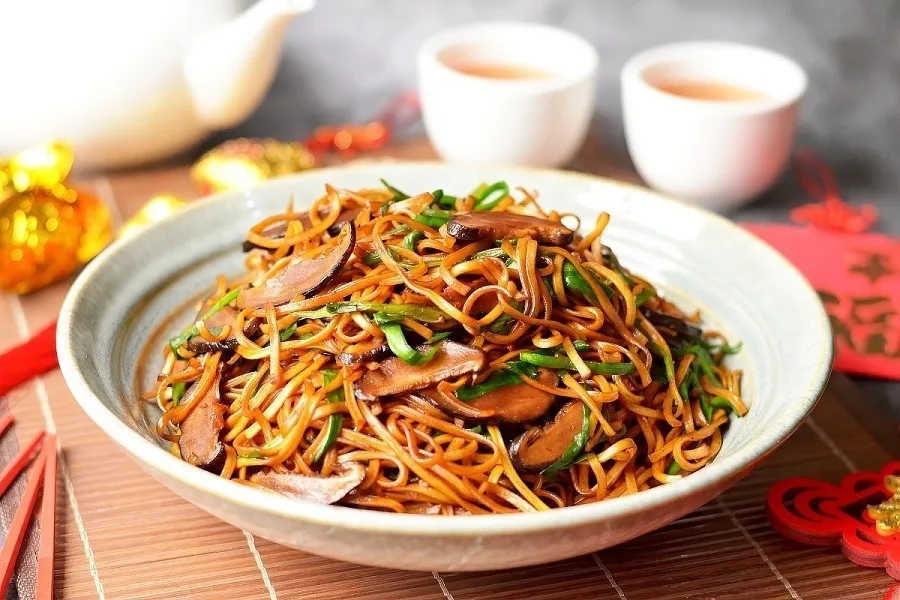
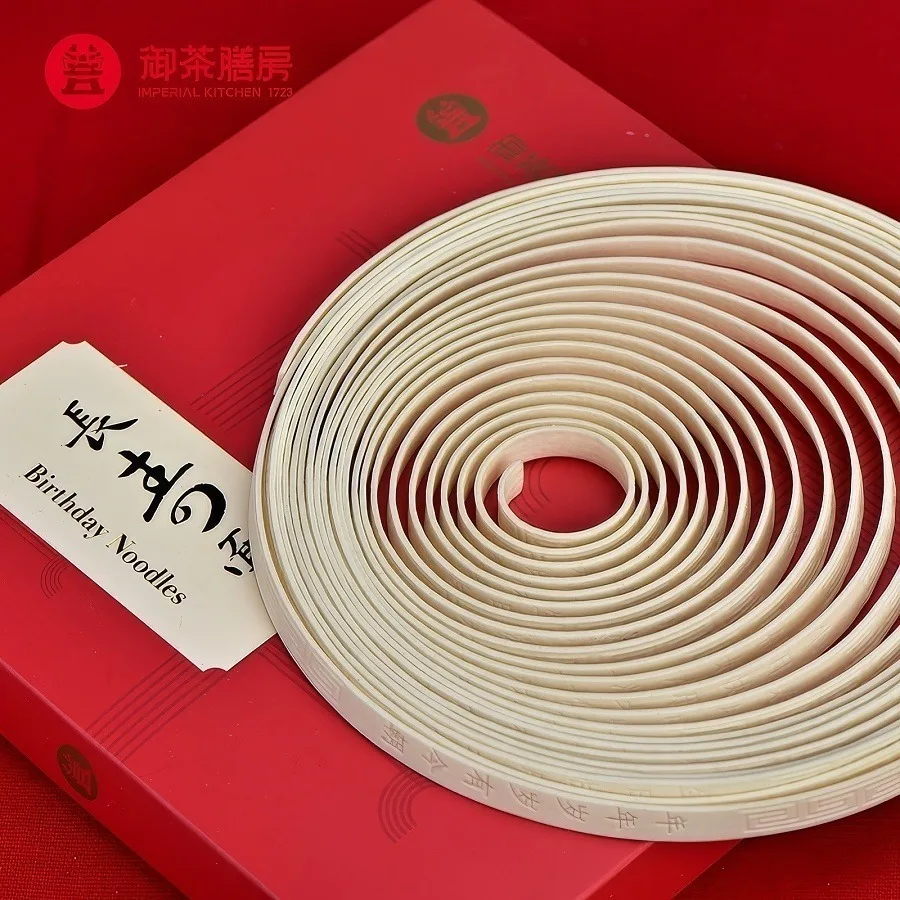
Longevity noodles (yī miàn, 伊面), also known as yi mein, yifu noodles, e-fu noodles or long-life noodles, are a traditional Chinese noodle dish. They’re usually served at Chinese banquets and celebrations such as Chinese New Year or birthdays. Longevity noodles have a long history and are closely tied to Chinese culture and traditions. They symbolize a long life and are said to bring luck and health – a belief based on their length: long noodles represent a long life. You may even come across a version in which a single, very long noodle is served in the bowl.
Contents:
Origins and History
These noodles are associated with Yi Bingshou (伊秉绶, Yī Bǐngshòu, 1754–1815), a prominent official and calligrapher of the Qing dynasty who served as prefect of Huizhou in Guangdong province. Yi Bingshou was known for his passion for culture and literature and often hosted scholars and poets at his home. With so many visitors, his cook was constantly busy and needed a way to prepare a tasty meal for the guests quickly and easily.
Yi Bingshou came up with the idea of preparing noodles in advance. He asked the cook to mix flour, eggs and water into a noodle dough. The noodles were then coiled, dried and fried until golden, and stored for later. When guests arrived, the cook simply boiled the noodles and seasoned them.
One day the poet and calligrapher Song Xiang tasted these noodles and was impressed by their wonderful flavor. Since the dish had no name yet, he suggested calling it “Yīfǔ Miàn” (伊府面 – “noodles of the Yi household”). The name quickly caught on, and the noodles came to be known for short as “Yī Miàn.”
Originally created as a practical way to make a meal quickly and easily, yi mian became a very popular dish. Their popularity grew steadily, and they’re often called a forerunner of modern instant noodles. Today instant noodles are eaten all over the world, and their roots are often traced back to this clever idea from the Qing dynasty.
How They’re Made
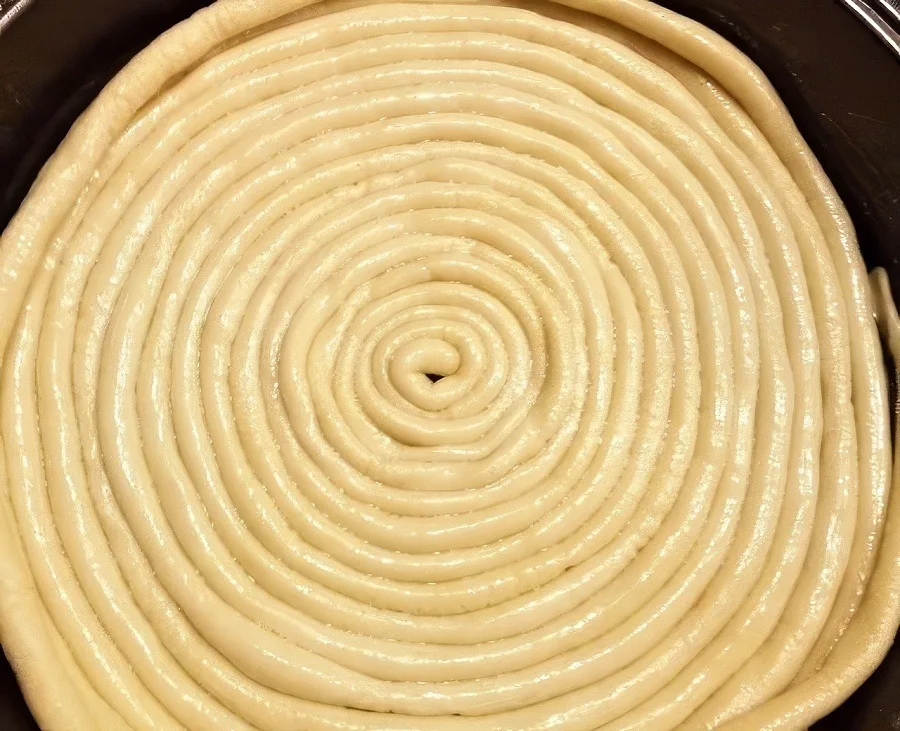
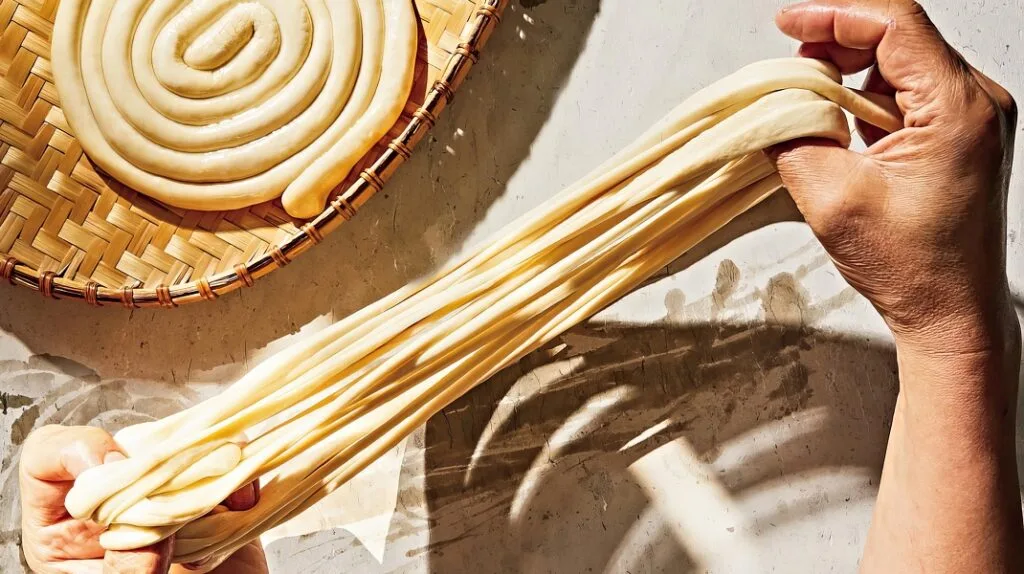
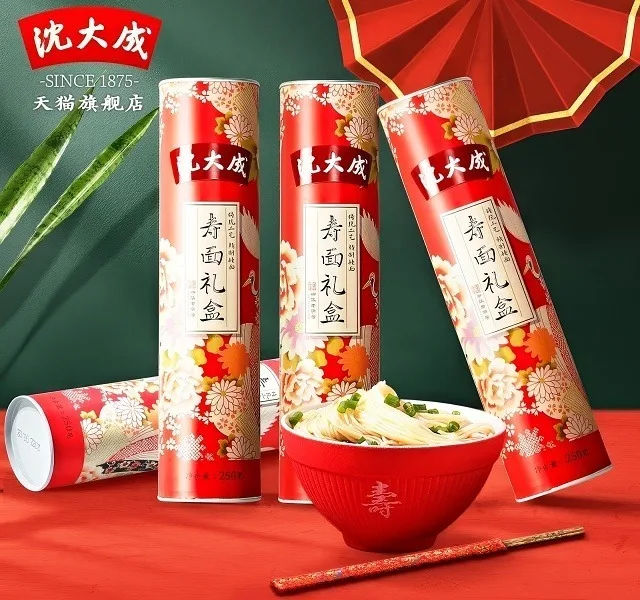
Longevity noodles are traditionally made from wheat flour and eggs, which gives them a delicate, springy texture and a characteristic yellow color. You can buy both dried and fresh versions. Dried noodles keep longer and are easy to store, while fresh noodles have a more intense flavor and better texture. When cooking them, it’s important to keep the noodles long and unbroken – a symbol of an uninterrupted flow of life.
How to Cook Them
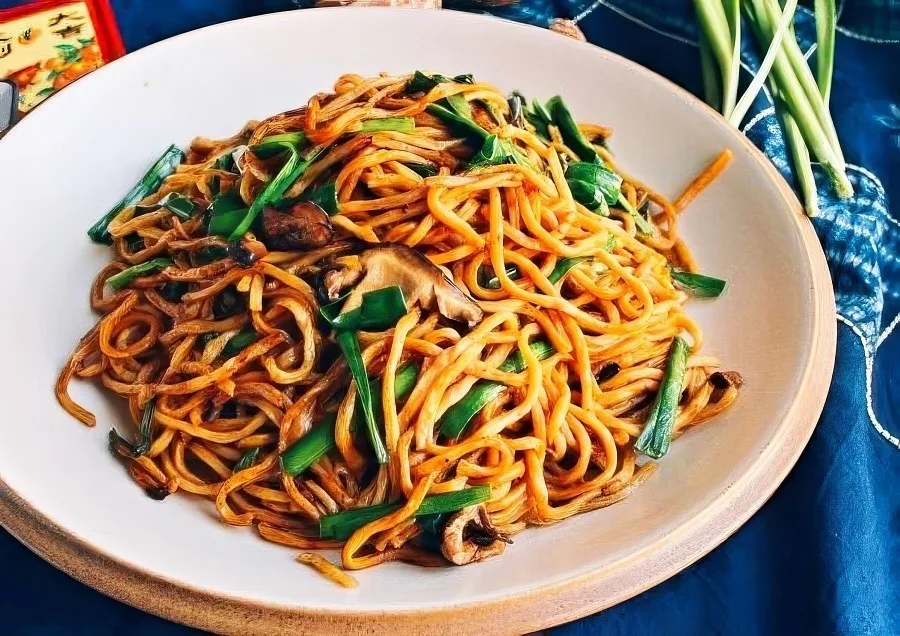
Longevity noodles can be prepared in many ways, reflecting regional traditions and personal preferences. The basic recipe is fairly simple, but there are many regional variations and modern takes on this traditional dish. In different parts of China, the noodles may be served with chicken, pork or beef, or with seafood such as shrimp or mussels. The vegetables vary with availability and season. They’re served both “dry” (stir-fried) and in soup.
Modern variations may include different sauces and seasonings that bring new flavors to the dish. Some versions use spicy sauces or less traditional ingredients, giving them a character of their own.
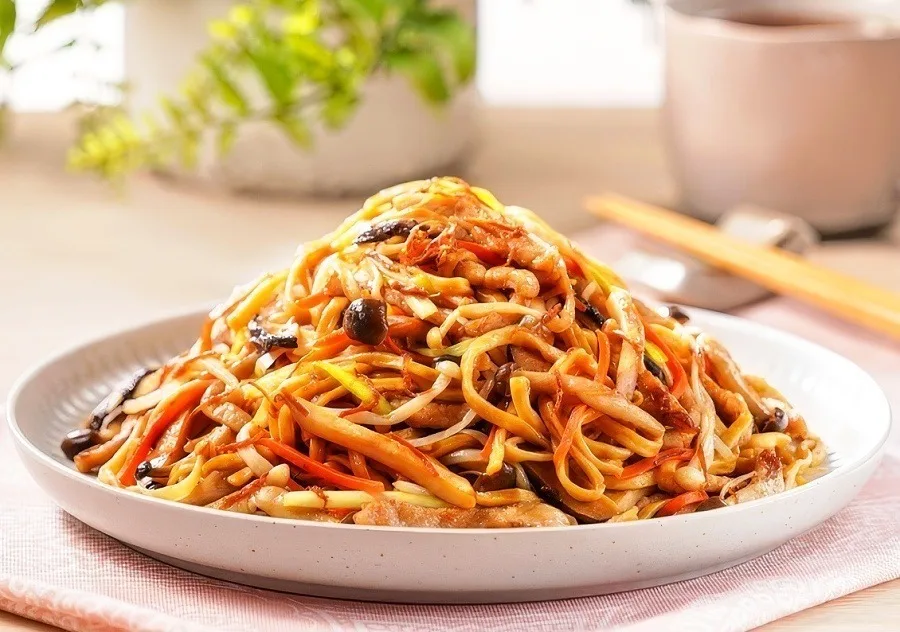
Longevity Noodles (Gān Shāo Yī Miàn 干烧伊面)
Ingredients
- 250 g dried yi mian noodles about 9 oz; sold as yi mein, e-fu or longevity noodles
- 4 cloves garlic finely chopped
- ½ onion sliced
- ½ carrot julienned
- 4 shiitake mushrooms sliced
- 2 tbsp oyster sauce
- 1 tbsp light soy sauce
- 1½ tsp dark soy sauce
- ¾ tsp sugar
- ½ tsp ground white pepper
- ½ tsp salt
- 2 scallions or Chinese chives, cut into long pieces
- 1 tsp toasted sesame oil
- 2 tbsp neutral oil
- ½ cup chicken broth or water (120 ml)
Instructions
- Finely chop the garlic. Slice the onion and mushrooms. Cut the carrot into thin julienne strips and the scallions into longer pieces.
- Cook the noodles according to the package directions – usually 3–5 minutes in boiling water, until soft but still chewy. Drain and rinse under cold water to stop the cooking.
- Heat the oil in a large skillet or wok over medium-high heat. Add the garlic and onion and fry until fragrant, about 30 seconds.
- Add the carrot and mushrooms and stir-fry for 2–3 minutes, until the carrot softens.
- Add the cooked noodles and toss everything together well.
- Add the soy sauces, oyster sauce, sugar, sesame oil and the chicken broth or water. Toss so the noodles are evenly coated, and cook for 2–3 minutes until the liquid reduces and the sauce thickens. Try not to break the noodles – long noodles mean a long life!
- Season with salt and white pepper to taste.
- Serve hot, garnished with the scallions, sesame seeds or cilantro.