
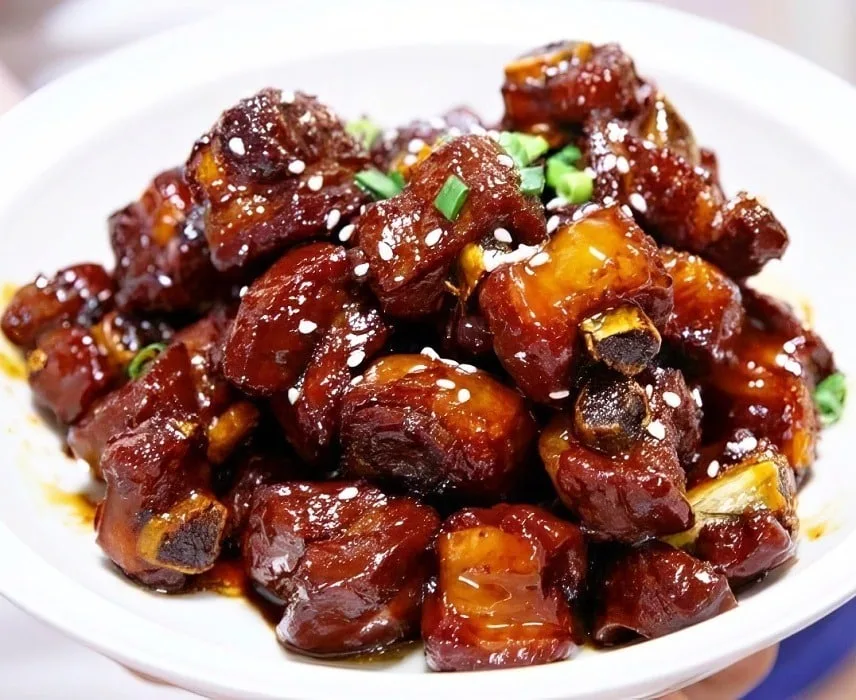
Sweet and sour pork ribs are one of the best-known dishes in Chinese cooking. Their popularity comes as much from their flavor as from the deep symbolism they carry in Chinese culture. Tender meat and a finely balanced sauce create a dish that has become popular all over the world.
Contents:
Origins: Where Did It All Begin?
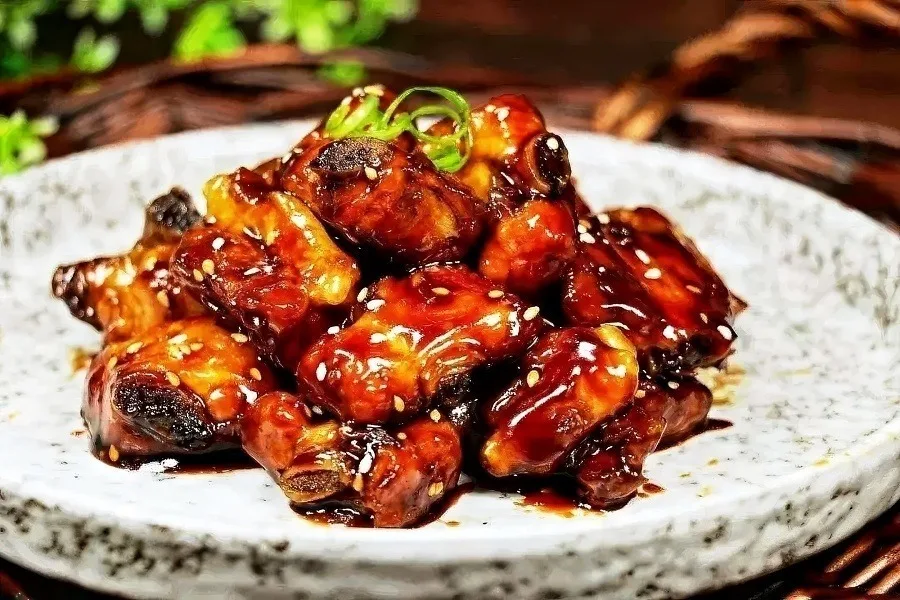
The origin of this dish is the subject of several legends. One of them tells of the city of Wuxi in Jiangsu province, where a dish called “meat bones” already existed during the Song dynasty (960–1279). According to the story, a begging monk visited a local restaurant and the owner offered him some meat. The monk – said to be Ji Gong (济公) – added a mysterious ingredient to the pot, and the result was delicious sweet and sour ribs. Wuxi is often called the birthplace of the dish. The sweet and sour sauce was also a way to help the meat keep longer.
Another version dates the dish to the Tang dynasty (618–907), when sweet and sour flavors began to appear in aristocratic kitchens. Although the exact origin isn’t clear, it’s obvious that cooking meat in a sweet and sour style has a long history in Chinese culinary tradition.
In Chinese culture, the combination of sweet and sour symbolizes balance between opposing forces, reflecting the philosophy of yin and yang. Serving this dish at family gatherings or celebrations expresses a wish for harmony and happiness for everyone at the table.
Regional Variations: How the Dish Changes Across China
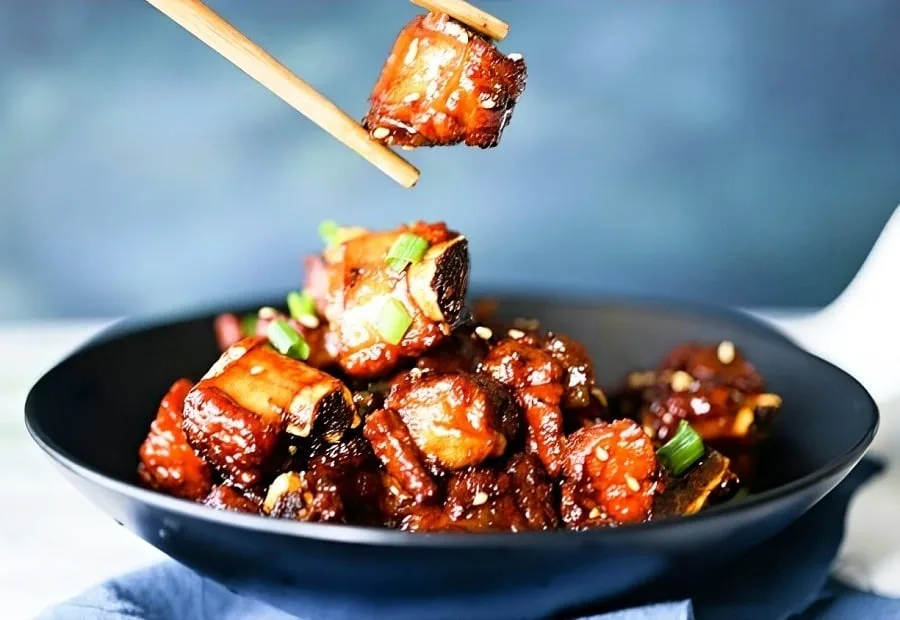
Over time, cooks carried this dish to different regions of China and adapted it to local tastes and ingredients.
- Shanghai style: In this region, known for its sweeter cooking, the sauce contains more sugar and dark soy sauce, giving the dish a richer flavor.
- Sichuan style: In Sichuan, chilies and Sichuan peppercorns go into the recipe, creating a spicy version with a gently numbing kick.
- Beijing style: Uses rice vinegar, which is milder and less sharp.
How the Dish Went Global
The fame of sweet and sour ribs crossed China’s borders along with Chinese migration and the opening of Chinese restaurants around the world. In the United States and Europe, restaurants often serve it as part of a “Chinese menu” and adjust the flavor to local preferences. Some chefs swap the pork ribs for chicken or even tofu.
In recent years, this traditional dish has inspired modern chefs who adapt it to current trends. Ingredients such as plum sauce or honey give the sauce a new dimension. Others experiment with techniques like sous vide to get perfectly juicy, tender meat.
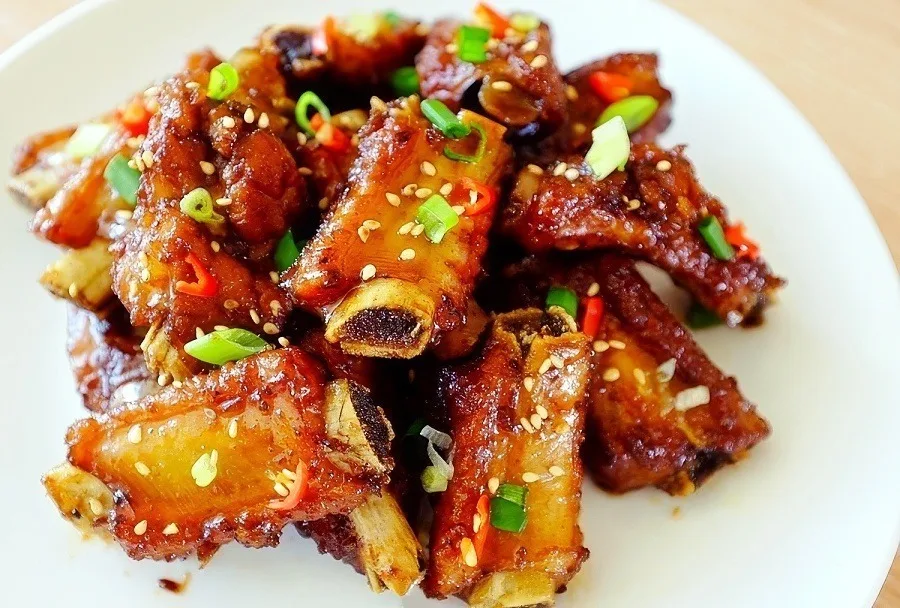
Caramelizing Sugar in Chinese Cooking (炒糖色 chǎo táng sè)
A key part of this dish is the technique of 炒糖色 (chǎo táng sè) – caramelizing sugar. It gives the meat a beautiful golden color, a subtle caramel flavor and a slightly crisp surface. In Chinese cooking it’s often used in fried and braised dishes and helps create food that looks as good as it tastes.
How to Caramelize the Sugar
- Add the sugar to the oil: Start by adding the sugar to cold oil in a pan or wok. White sugar or cane sugar is most common.
- Heat slowly: Cook the sugar over low heat, stirring constantly, until it dissolves. Watch the color – the sugar should turn golden and gradually reach an amber shade.
- Get the right stage: Once the sugar starts to caramelize, be careful – it can burn and turn bitter quickly. Controlling the heat is the key to success.
- Add the meat: As soon as the caramel is ready, quickly add the pork to the pan and coat every piece in the caramelized sugar.
- Sear briefly: Within a few minutes the meat takes on a gorgeous reddish-golden color from the sugar, with a delicate caramelized crust.
Unlike simply searing meat in oil, the caramelized sugar coats the pieces and creates a glossy, appealing surface. A classic example is red-braised pork (红烧肉 hóng shāo ròu), where this technique gives the dish its iconic look and flavor.
With this dish, Chinese cooks show off their ability to balance flavors – and a whole philosophy of life – on a plate. Sweet and sour ribs are a perfect dish for any occasion, from family celebrations to a romantic dinner.
Sweet and Sour Pork Ribs (Táng Cù Pái Gǔ 糖醋排骨)
Ingredients
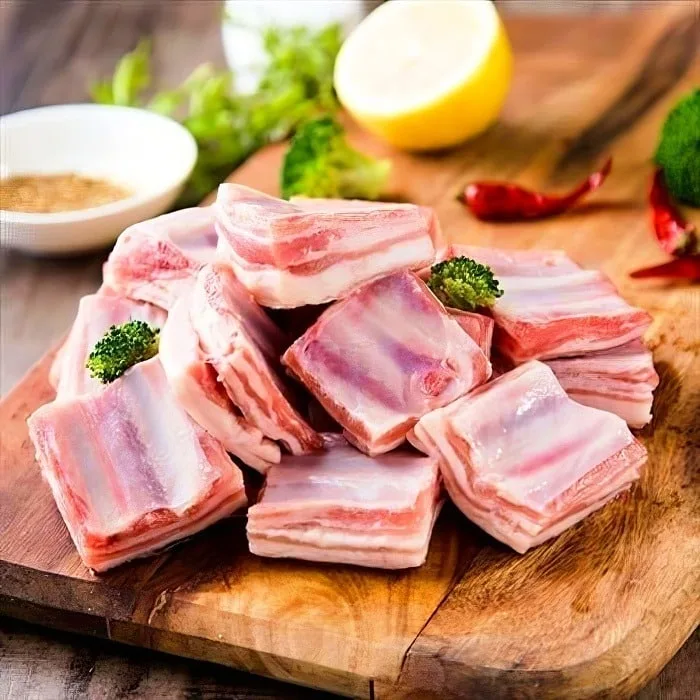
- 500 g pork ribs about 1 lb; short baby back ribs are best
- 2 tbsp sugar
- 2 tbsp rice vinegar or Chinese black vinegar
- 1 tbsp light soy sauce for flavor
- 1 tbsp dark soy sauce for color
- 1 tbsp Shaoxing rice wine or dry sherry, plus extra for blanching
- 1 tbsp garlic finely chopped
- 1 tsp ginger finely chopped, plus a few slices for blanching
- 2 tbsp neutral oil for frying
- 500 ml water about 2 cups, hot
- pinch of salt to taste
- toasted sesame seeds and scallions for garnish
Instructions
Prepare the ribs
- Cut the ribs into small pieces, about 4–5 cm (1½–2 inches) long.
- Put them in a pot of cold water with a few slices of ginger and a tablespoon of Shaoxing rice wine. Bring to a boil and cook for about 5 minutes.
- Rinse the ribs under cold water and pat dry.
Caramelize the sugar (炒糖色)
- Heat 1–2 tablespoons of oil in a skillet or wok over medium heat.
- Add the sugar and stir until it melts and starts to caramelize. Watch the color – as soon as it turns amber, move on immediately.
Fry and braise the ribs
- Add the ribs to the pan and toss well to coat them in the caramel. Let them sear for a moment until they turn a reddish golden color.
- Add the light and dark soy sauce, vinegar, ginger and garlic.
- Pour in enough hot water to cover the ribs and bring to a boil.
- Lower the heat, cover and simmer for about 25–30 minutes until the meat is tender.
- Uncover and turn up the heat. Let the sauce reduce until thick and glossy. For an even bolder flavor, add a splash of vinegar at the end.
Serve
- Transfer the ribs to a serving plate and sprinkle with toasted sesame seeds and chopped scallions.
- Serve with steamed rice to soak up the sauce.